

Severe weather has become an unfortunate norm for much of the Midwest. Between high winds, hail, heavy snow, and seasonal tornadoes, property owners face constant risk of serious structural losses. When those events happen, insurance companies are expected to respond fairly and promptly. In reality, however, many policyholders discover that claims are delayed, undervalued, or denied outright. That’s when representation from a private adjuster becomes essential.
Why Midwest Storms Pose Unique Challenges
The Midwest’s geography makes it one of the most weather-volatile regions in the United States. Tornado Alley frequently sweeps through states like Illinois, Indiana, and Ohio, while blizzards and straight-line winds can cause roof collapses, water intrusion, and structural damage throughout Michigan and Wisconsin. After every major storm, property owners often compete for limited resources, from contractors to materials to insurance claim attention.
During these events, insurance carriers may receive thousands of simultaneous claims. Adjusters working for the carrier must manage high caseloads, and quick evaluations often mean rushed inspections. This can result in missed damage, inaccurate scoping, or undervalued repair estimates. Policyholders who accept initial settlements without a second opinion risk losing tens of thousands of dollars in coverage benefits.

How Insurance Disputes Commonly Arise
Insurance disputes often begin long before a claim is ever denied. They usually stem from differences in how damage is documented, interpreted, or valued. When policy language is complex and adjusters are under pressure to minimize payouts, even honest mistakes can lead to frustration for property owners. Some of the most common reasons disputes occur include:
- Incomplete inspections that fail to identify hidden structural or water damage.
- Improper depreciation calculations that undervalue materials or labor.
- Misclassification of causes of loss, such as denying wind-related damage by labeling it as pre-existing wear.
- Delays in communication, which prevent policyholders from making timely repairs.
When these situations occur, carriers often lean on technical wording in the policy to justify reductions or denials. Policyholders who don’t fully understand their policy language can feel trapped in the process, unsure of what documentation or evidence is needed to challenge the insurer’s position.
The Role of a Private Adjuster
A private adjuster, also known as a public insurance adjuster, represents the property owner, not the insurance company. Their responsibility is to ensure that the claim is prepared, presented, and negotiated in a way that maximizes the policyholder’s rightful payout.
Unlike carrier adjusters, private adjusters are compensated by the policyholder, which eliminates the conflict of interest that often exists in insurer-handled claims. Their work typically includes:
- Conducting independent inspections of damaged structures
- Compiling detailed repair estimates
- Reviewing coverage provisions and identifying applicable endorsements
- Coordinating with engineers or restoration specialists when needed
- Negotiating directly with the carrier to reach a fair settlement
In the Midwest, this expertise is particularly valuable after regional catastrophes, when insurers rely on out-of-state or temporary adjusters who may lack familiarity with local construction standards or regional weather impacts.
Common Types of Losses After Midwest Storms
Severe weather in the Midwest doesn’t just bring one type of damage. It brings many, often at once. These include:
- Wind and hail damage to roofing systems, siding, and exterior structures:
- Water intrusion caused by wind-driven rain or roof penetration
- Structural compromise from fallen trees or debris impact
- Microbial contamination developing from delayed drying after water intrusion
High winds, hail, lightning, and heavy rain can leave a trail of property damage that requires detailed inspection and careful documentation. Understanding what types of losses typically occur helps property owners identify potential coverage issues early.
Why Timing Matters in Storm Damage Claims
One of the most common mistakes property owners make is waiting too long to get professional representation. Insurance carriers typically move fast to assess and close claims, often before full damage reveals itself. For example, moisture that seeps into walls or insulation may not be immediately visible, yet it can lead to microbial contamination weeks later. If the claim is already settled, those damages may not be covered retroactively.
Bringing in a private adjuster early helps prevent these gaps. They can oversee the initial inspection, verify that the carrier’s scope includes all affected areas, and document hidden or secondary damage before it becomes a larger issue.
Advocacy from Consumer Organizations
Organizations like the National Association of Public Insurance Adjusters (NAPIA) and the American Policyholder Association (APA) emphasize the importance of representation after catastrophic weather events. Both groups advocate for transparency in claim practices and provide education to help property owners recognize unfair carrier behavior. The National Association of Insurance Commissioners (NAIC) has also warned that policyholders should not hesitate to seek independent support when they believe their claim has been undervalued or delayed without cause.
These organizations share a common message: policyholders have rights, and professional representation helps protect those rights.
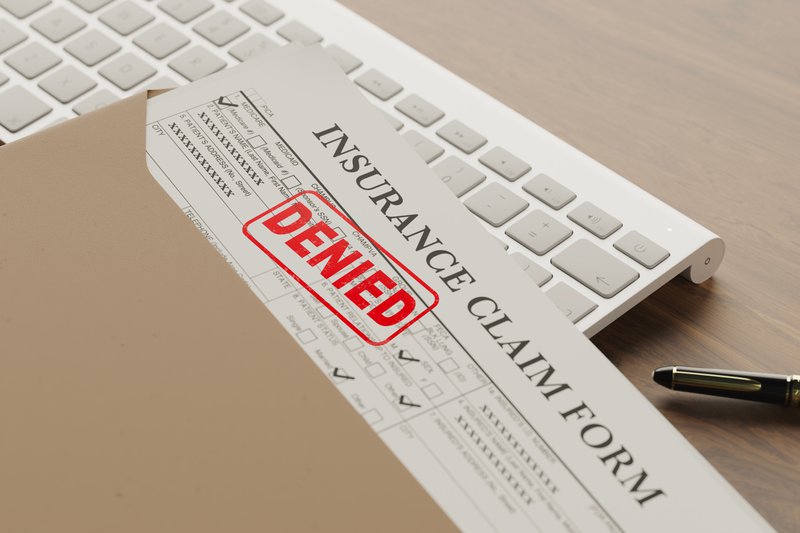
The Midwest Pattern: Deny, Delay, and Underpay
Data from the Florida Office of Program Policy Analysis and Government Accountability (OPPAGA) has shown a consistent pattern across the insurance industry: claim settlements handled by public adjusters result in significantly higher payouts for policyholders compared to those managed solely by insurance carriers. This trend extends beyond Florida; similar outcomes are often seen across states affected by major storms, including much of the Midwest.
Carriers may not act maliciously, but the system naturally favors efficiency and cost control. That’s why having a trained advocate on your side makes a measurable difference.
Protecting Your Property and Your Investment
For commercial property managers, contractors, and multi-family operators, the stakes are especially high. Delayed or underpaid storm damage claims can disrupt operations, lead to costly temporary relocations, and expose buildings to ongoing deterioration. The financial impact of a poorly managed claim can easily exceed the cost of professional representation.
Partnering with a private adjuster ensures that claims are not only processed correctly but also documented to meet the full standard of repair. From accurate scoping to negotiation, they act as your advocate from start to finish.
Protect Your Interests with a Private Adjuster
Major weather events will continue to test the resilience of Midwest property owners. Whether you manage a commercial facility, oversee multi-family properties, or maintain large infrastructure, having an experienced private adjuster ensures that your claim is handled with accuracy and fairness.
At Velocity Public Insurance Adjusters, we specialize in complex storm and water damage claims and are certified through the IICRC in Water Damage, Structural Drying, Fire Damage, and Smoke Damage. Our team works exclusively for policyholders, ensuring that every detail of your loss is documented, presented, and negotiated for the settlement you deserve.
Schedule a call for a free claim and policy review today.
Related posts
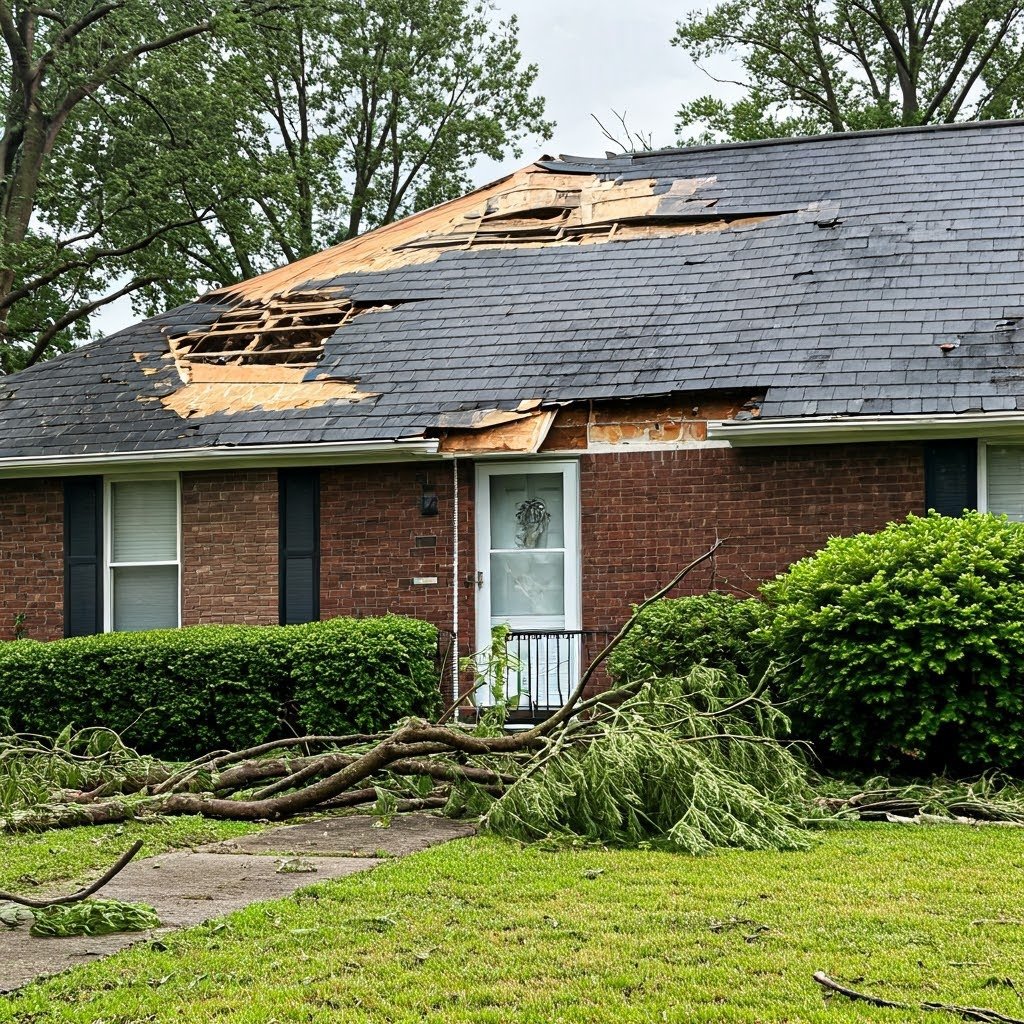
How Insurers Are Reassessing Risk Zones in the Age of Extreme Weather
Extreme weather is forcing insurers to rethink risk zones. Learn how modern risk assessment in insurance is reshaping coverage, premiums, and claims.

How to Stay Calm and Strategic After a Major Property Loss
An independent adjuster can help property owners stay calm, avoid costly mistakes, and build a strategic insurance claim after a major property loss.
Insurance Claim Management for Healthcare Facilities: Common Pitfalls and Protections
Learn common pitfalls in insurance claims for healthcare facilities and how to protect your organization from costly delays and underpayments.
Claim Services We Provide
Velocity Public Insurance Adjusters handles a variety of claim types for both commercial and residential property losses: weather-related damage, theft and vandalism, fire and smoke damage.


Members of


Velocity Public Insurance Adjusters is a Certified Firm with the IICRC.
IICRC Certified Firms are known for their high level of technical experience and professionalism.
With the rapid increase in consumer calls due to the demand for mitigation and restoration projects,
Certified Firms are working in the field every day and have unmatched expertise in complex restoration projects.
Client testimonials
Don't take our word for it, see what our clients are saying about us.
Contact us
Schedule a free, no-obligation, claim and policy review. Every property claim is different, and we'd like the opportunity to provide you with an assessment of your unique situation.


- Indiana
- Kentucky
- Michigan
- Ohio
- Iowa
- Wisconsin
- South Carolina
Use of Information Purpose: We use your information to send mobile messages and respond to your inquiries as necessary. This may involve sharing your information with platform providers, phone companies, and other vendors who assist in message delivery.
Protection of Information: We do not sell, rent, loan, trade, lease, or otherwise transfer for profit any phone numbers or customer information collected through the SMS program to any third party.
Disclosure: We may disclose your information if required by law, regulation, or governmental request, to avoid liability, or to protect our rights or property.
Choices and Controls Consent: Consent to receive automated marketing text messages is not a condition of any service we provide.
Opt-Out: You can opt out of receiving further text messages via the Messaging Service by responding to any of our text messages with any of the following replies: STOP, END, CANCEL, UNSUBSCRIBE, or QUIT.
Your Responsibilities Accurate Information: Ensure that the information you provide is accurate, complete, and truthful. Do not use a false or misleading name or a name you are not authorized to use.
Consequences: If we believe the information provided is untrue, inaccurate, or incomplete, or if you have joined the program for ulterior motives, we may deny you access to the program.