

Large commercial loss claims require a strategic approach built on strong documentation, timely action, and a clear understanding of how insurers evaluate damage. When losses affect hospitals, schools, manufacturing plants, and multi-family buildings, the complexity increases significantly. Interconnected systems, equipment dependencies, and operational obligations create a challenging environment for policyholders, and insurers often respond by applying stricter review and valuation controls.
Reports indicate that insurers rely heavily on internal cost models when evaluating these claims. Advocacy groups such as the APA and NAPIA note that this frequently leads to undervalued estimates and prolonged timelines. A structured, well-documented process helps commercial property stakeholders reduce delays and protect the integrity of their claims.
Step 1: Stabilize the Loss and Protect Occupant Safety
Every commercial loss begins with containing the damage and ensuring that occupants and critical systems remain safe. Property managers should move quickly to isolate affected areas and document site conditions before any cleanup takes place. This helps establish a clear record of the initial impact, which carriers often reference as they build their valuation.
During water damage events originating from interior sources, such as ruptured pipes or failed HVAC drainage, moisture travels through cavities and mechanical areas that are difficult to assess without proper training. Using IICRC-certified specialists in Water Damage Restoration and Applied Structural Drying ensures that the early-stage documentation reflects the true spread of moisture. After stabilization, property teams should review initial evidence together, determine operational implications, and prepare for insurer communication.
Step 2: Report the Loss to the Insurance Carrier Promptly
Commercial policies require timely reporting, and insurers may question damages if delays occur between discovery and notification. When submitting the first report, property managers should provide a clear timeline, describe the affected areas, and share initial documentation. This early information creates the foundation for the insurer’s internal review.
After reporting the loss, property managers should prepare for follow-up questions, coordinate additional documentation, and begin organizing relevant maintenance or inspection records. These items will become important as the carrier verifies the cause and scope of the loss.
Step 3: Conduct a Thorough Assessment With Certified Specialists
Large commercial loss claims depend heavily on the quality of early assessments. Many insurers rely on standard cost averages that do not reflect the specialized systems found in commercial or institutional buildings. Independent assessments help offset these limitations by providing a building-specific understanding of the loss.
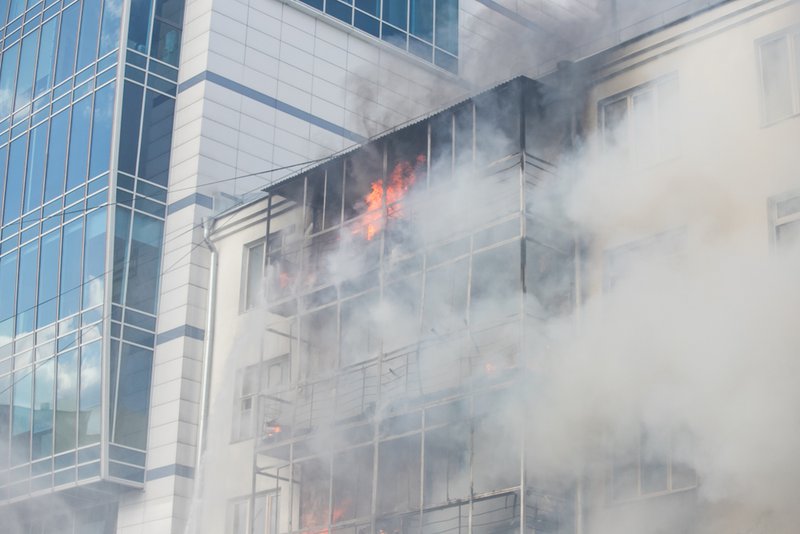
Water losses, for example, may involve moisture inside fire-rated assemblies, electrical chases, or mechanical rooms. Fire and smoke losses may require analysis of particulate travel through HVAC systems, air handling units, or production spaces. Evaluations guided by IICRC Fire and Smoke Restoration standards help clarify which components require cleaning and which must be replaced. Once experts complete their assessments, property managers can begin matching insurer requests with verified technical data.
Step 4: Document Every Impacted Area, Not Just the Origin
One of the most common sources of dispute in commercial loss claims involves overlooked secondary damage. Insurers often focus on the immediate area of failure, while extensive related impacts may appear in remote locations or concealed areas. Documenting these additional conditions early prevents the carrier from narrowing the scope of repairs later.
For example, moisture migration may affect walls several rooms away from the source, or smoke may travel through mechanical shafts into floors that were not visibly involved in the fire. After documenting both primary and secondary impacts, property managers should consolidate the information, compare it with expert assessments, and prepare to explain how each area ties to the event.
Step 5: Maintain Excellent Records of Operational Disruption
Commercial losses do not affect only building materials; they also interrupt daily operations. Insurers often request proof of how the loss impacted production, services, revenue, or facility throughput before assessing the claim’s overall value. Property managers should therefore track operational changes carefully, including temporary shutdowns, equipment outages, or tenant displacement.
After compiling operational data, facility leaders should connect each disruption to the physical cause of loss, ensuring that the insurer understands how the event affected the wider property. This step is especially important when calculating the business interruption component of commercial loss claims.
Step 6: Respond Promptly to Adjuster Requests
Carriers frequently request additional information after the initial inspection, especially for large commercial claims. Questions may relate to building systems, maintenance history, or discrepancies between independent assessments and the insurer’s initial estimate. Responding promptly helps maintain momentum and reduces opportunities for delays.
Once responses are submitted, property managers should track each communication, verify receipt by the adjuster, and maintain a record of all follow-up discussions. Clear communication logs strengthen the file and prepare stakeholders for future negotiation phases.
Step 7: Understand the Carrier’s Evaluation Process
Insurers evaluate commercial loss claims using internal pricing models, historical cost data, regional averages, and depreciation schedules. OPPAGA’s findings show that these standardized tools often undervalue specialty equipment, multi-floor damage, or high-demand commercial labor. Understanding these internal processes prepares stakeholders to interpret the insurer’s initial estimate more effectively.
After reviewing the insurer’s methodology, property managers can highlight discrepancies between real-world restoration requirements and the insurer’s valuation model. This is an important step toward ensuring the final estimate reflects the full scope of damage.
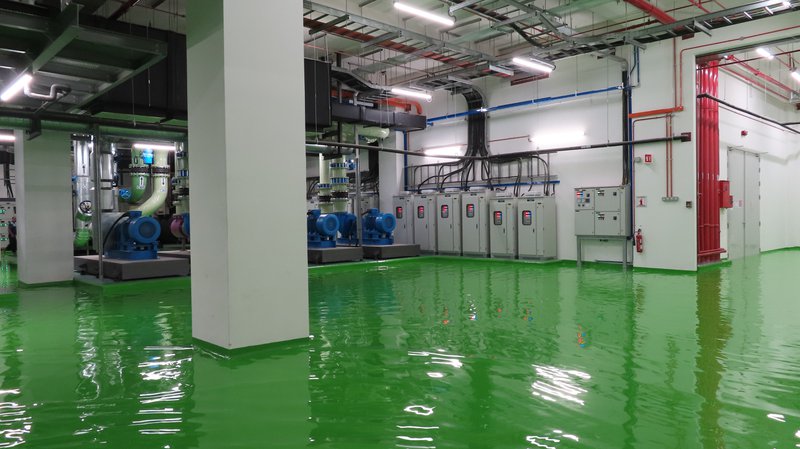
Once the insurer issues an estimate, stakeholders should review it against the assessments performed by their own specialists. Independent experts often identify scope reductions or missing line items, such as extended drying needs, specialized equipment repairs, or concealed smoke infiltration. These observations help clarify the true cost of restoration.
After comparing the two scopes, property managers should prepare supplemental documentation explaining any variances. This allows the insurer to reevaluate its position with clearer, more complete information.
Step 9: Monitor the Claim Timeline and Maintain Communication Logs
Commercial loss claims typically involve multiple inspections, revisions, and supplemental requests. If communication is not tracked carefully, delays may go unnoticed until they affect critical project milestones. Maintaining a structured communication log helps stakeholders identify slowdowns early and correct them quickly.
After periodically reviewing the timeline, property managers should proactively request updates from the insurer and coordinate next steps with all parties involved. Clarity and consistency help keep the claim moving.
Step 10: Review the Carrier’s Final Loss Estimate Carefully
The final estimate determines how much the insurer intends to pay for the loss. Property managers should evaluate it closely to ensure that all affected areas, operational impacts, and equipment requirements are accurately represented. If discrepancies remain, additional supplements may be necessary to correct the valuation.
After completing this review, stakeholders can proceed to settlement discussions with a full understanding of what has and has not been accounted for in the insurer’s file.
Commercial Loss Claims Demand Expertise and Strategy
Large commercial loss claims involve interconnected systems, high-value equipment, and operational responsibilities that require careful coordination from start to finish. When property managers follow a structured process supported by certified assessments, complete documentation, and clear communication, they reduce delays and strengthen the final claim outcome.
Velocity Public Insurance Adjusters supports commercial and institutional clients with certified expertise in water, structural drying, fire, and smoke-related assessments. Contact our team today to learn how we can help you navigate the complex world of insurance claims with confidence.
Related posts
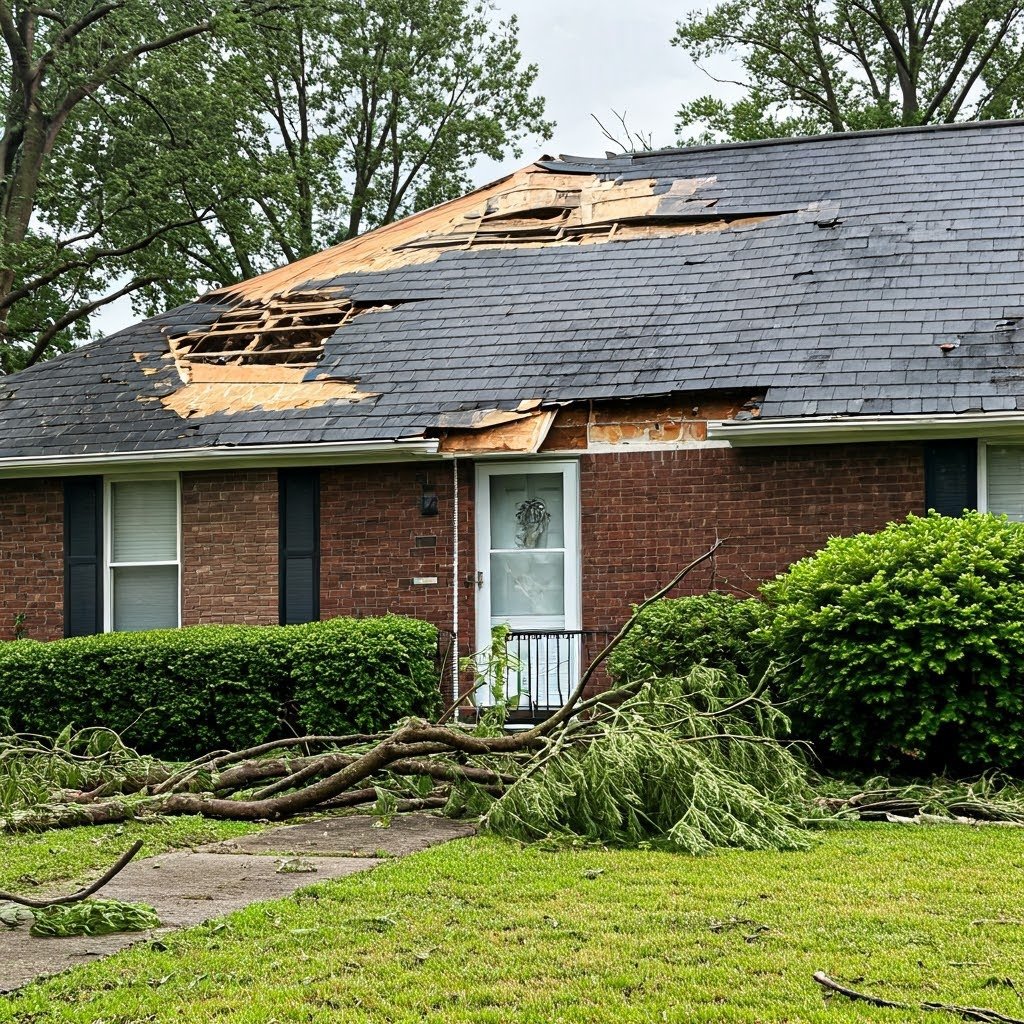
How Insurers Are Reassessing Risk Zones in the Age of Extreme Weather
Extreme weather is forcing insurers to rethink risk zones. Learn how modern risk assessment in insurance is reshaping coverage, premiums, and claims.

How to Stay Calm and Strategic After a Major Property Loss
An independent adjuster can help property owners stay calm, avoid costly mistakes, and build a strategic insurance claim after a major property loss.
Insurance Claim Management for Healthcare Facilities: Common Pitfalls and Protections
Learn common pitfalls in insurance claims for healthcare facilities and how to protect your organization from costly delays and underpayments.
Claim Services We Provide
Velocity Public Insurance Adjusters handles a variety of claim types for both commercial and residential property losses: weather-related damage, theft and vandalism, fire and smoke damage.


Members of


Velocity Public Insurance Adjusters is a Certified Firm with the IICRC.
IICRC Certified Firms are known for their high level of technical experience and professionalism.
With the rapid increase in consumer calls due to the demand for mitigation and restoration projects,
Certified Firms are working in the field every day and have unmatched expertise in complex restoration projects.
Client testimonials
Don't take our word for it, see what our clients are saying about us.
Contact us
Schedule a free, no-obligation, claim and policy review. Every property claim is different, and we'd like the opportunity to provide you with an assessment of your unique situation.


- Indiana
- Kentucky
- Michigan
- Ohio
- Iowa
- Wisconsin
- South Carolina
Use of Information Purpose: We use your information to send mobile messages and respond to your inquiries as necessary. This may involve sharing your information with platform providers, phone companies, and other vendors who assist in message delivery.
Protection of Information: We do not sell, rent, loan, trade, lease, or otherwise transfer for profit any phone numbers or customer information collected through the SMS program to any third party.
Disclosure: We may disclose your information if required by law, regulation, or governmental request, to avoid liability, or to protect our rights or property.
Choices and Controls Consent: Consent to receive automated marketing text messages is not a condition of any service we provide.
Opt-Out: You can opt out of receiving further text messages via the Messaging Service by responding to any of our text messages with any of the following replies: STOP, END, CANCEL, UNSUBSCRIBE, or QUIT.
Your Responsibilities Accurate Information: Ensure that the information you provide is accurate, complete, and truthful. Do not use a false or misleading name or a name you are not authorized to use.
Consequences: If we believe the information provided is untrue, inaccurate, or incomplete, or if you have joined the program for ulterior motives, we may deny you access to the program.