

When an insurance claim ends in disagreement, property owners face multiple paths to resolve the issue without turning to litigation. Understanding these alternative dispute resolution options can save time, reduce stress, and ensure policyholders receive the compensation they are entitled to. Electrical system failures, water damage, fire, smoke, or vandalism can all trigger these disputes, making professional guidance essential.
Public insurance adjusters act as advocates for the insured, ensuring that claims are accurately documented and fully represented during any dispute process. They bring technical knowledge, policy interpretation skills, and negotiation expertise to every step.
What is an Insurance Claim Dispute?
An insurance claim dispute arises when a policyholder and an insurance company disagree on the settlement amount, the scope of covered losses, or the interpretation of policy language. Disputes are most common after significant property damage events, including:
- Water losses from burst pipes or internal leaks
- Fire or smoke damage to electrical or structural systems
- Vandalism affecting commercial or residential properties
- Weather-related damage such as hail, wind, or ice accumulation
Carriers may deny coverage, undervalue claims, or apply narrow interpretations of policy terms. Without professional support, policyholders risk accepting settlements that do not cover the full cost of repairs or replacements.
Alternative Insurance Claim Dispute Resolution Options
Alternative dispute resolution (ADR) provides structured ways to resolve claims disputes outside of court. The three most common options are appraisal, arbitration, and mediation. Each has distinct processes, benefits, and limitations.

Appraisal
The appraisal process, as an alternative dispute resolution, is contained in most property insurance policies, so appraisal is designed to resolve disputes over the amount of loss, not coverage. Both the policyholder and the insurance company select a neutral appraiser to assess damages. If the two appraisers disagree, they select an umpire who makes the final determination.
Benefits of appraisal include:
- Faster resolution than traditional court processes
- Independent evaluation of damages by trained professionals
- Decisions based on documented evidence, such as repair estimates, photographs, and contractor reports
Limitations include:
- Only covers the disputed dollar amount, not policy interpretation
- Requires both parties to agree to the appraisal process
- Final decisions are binding, which may limit flexibility
Appraisal is particularly useful when structural, fire, or water damage is evident but the insurer undervalues repair or replacement costs.
Arbitration
Arbitration is broader than appraisal and can address both the amount of loss and coverage disputes. A neutral arbitrator reviews the case, considers evidence, and issues a binding decision.
Key points about arbitration:
- Often faster than court proceedings
- Confidential, keeping dispute details private
- Can handle complex disagreements, including technical or policy interpretation issues
However, arbitration can be more formal than mediation and may require professional representation, such as a public insurance adjuster, to ensure all damages are fully documented and argued effectively.
Mediation
Mediation is a collaborative process where a neutral mediator facilitates negotiations between the policyholder and the insurance company. Unlike appraisal and arbitration, mediation is non-binding.
Advantages include:
- Encourages open dialogue and creative solutions
- Can preserve ongoing relationships between property owners and insurers
- Flexible approach, allowing settlements that account for unique circumstances
Limitations include:
- Outcomes are not guaranteed
- Requires willingness from both parties to compromise
- Professional advocacy improves the likelihood of a fair result
Mediation can be particularly effective when coverage ambiguities exist or when parties need guidance to understand policy terms.
When to Consider Each Option
Choosing the right ADR method depends on the nature of the dispute. Property managers and contractors should consider:
- Appraisal: When the insurer disputes the repair cost for clearly documented losses such as water damage or fire damage
- Arbitration: When disagreements involve both coverage and compensation, including complex commercial claims
- Mediation: When the goal is negotiation, preserving relationships, and finding mutually agreeable solutions
Public insurance adjusters can advise on the most suitable ADR path and manage the process from start to finish.
How a Public Insurance Adjuster Supports Policyholders
Working with a public adjuster or insurance claim advocate provides multiple advantages during an insurance dispute. Their expertise ensures the property owner’s claim is accurate, fully documented, and presented effectively to the insurer.

Key roles of an adjuster in a dispute include:
- Evaluating all damage, including hidden or progressive losses
- Preparing detailed estimates, reports, and photographs
- Communicating directly with the insurer to advocate for fair valuation
- Guiding policyholders through appraisal, arbitration, or mediation processes
Adjusters bridge the gap between technical knowledge and policy interpretation, preventing carriers from undervaluing claims or denying valid damages.
Partnering for Better Outcomes
Property managers, contractors, and facility managers benefit when they engage a public insurance adjuster early. Disputes are less stressful when documentation is complete, losses are accurately quantified, and policy requirements are clearly understood.
For water, fire, smoke, or vandalism-related losses, professional adjusters can coordinate with contractors, engineers, and restoration specialists to present a cohesive, credible case. Their role helps prevent delayed settlements and ensures policyholders receive the coverage they are due.
Why Hiring a Private Adjuster Matters in Resolving an Insurance Claim Dispute
Velocity Public Insurance Adjusters specializes in water, fire, and smoke damage claims and partners with property owners, commercial managers, and contractors to ensure clients are protected from day one. Our collaborative approach helps avoid unnecessary blame, reduce delays, and deliver a better experience to property owners.
While policyholders focus on restoring their property, we handle the paperwork, policy interpretation, and claim negotiations. Working with a public insurance adjuster as your insurance claim advocate strengthens your position during appraisal, arbitration, or mediation, resulting in faster recovery and fewer headaches.
If you are ready to improve claim outcomes and navigate disputes with confidence, contact us today.
Related posts
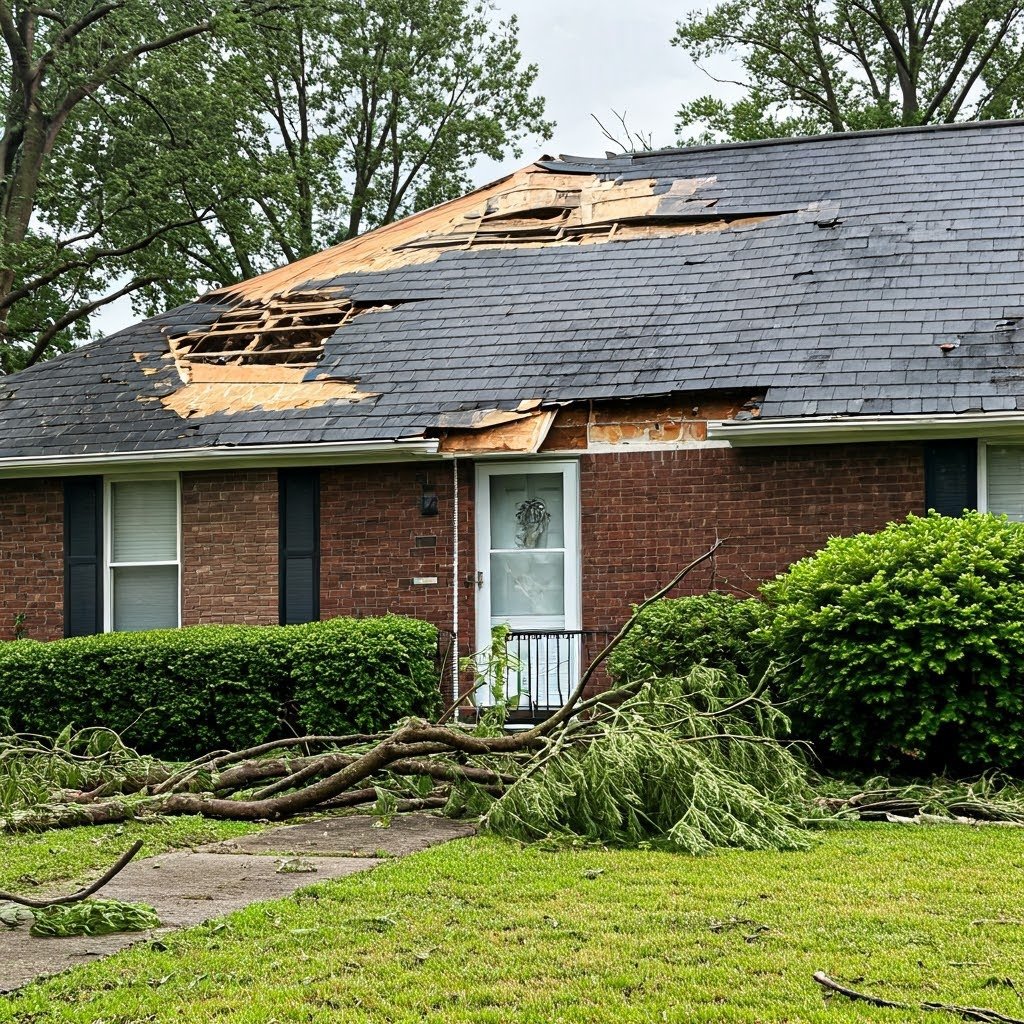
How Insurers Are Reassessing Risk Zones in the Age of Extreme Weather
Extreme weather is forcing insurers to rethink risk zones. Learn how modern risk assessment in insurance is reshaping coverage, premiums, and claims.

How to Stay Calm and Strategic After a Major Property Loss
An independent adjuster can help property owners stay calm, avoid costly mistakes, and build a strategic insurance claim after a major property loss.

Insurance Claim Management for Healthcare Facilities: Common Pitfalls and Protections
Learn common pitfalls in insurance claims for healthcare facilities and how to protect your organization from costly delays and underpayments.
Claim Services We Provide
Velocity Public Insurance Adjusters handles a variety of claim types for both commercial and residential property losses: weather-related damage, theft and vandalism, fire and smoke damage.


Members of


Velocity Public Insurance Adjusters is a Certified Firm with the IICRC.
IICRC Certified Firms are known for their high level of technical experience and professionalism.
With the rapid increase in consumer calls due to the demand for mitigation and restoration projects,
Certified Firms are working in the field every day and have unmatched expertise in complex restoration projects.
Client testimonials
Don't take our word for it, see what our clients are saying about us.
Contact us
Schedule a free, no-obligation, claim and policy review. Every property claim is different, and we'd like the opportunity to provide you with an assessment of your unique situation.


- Indiana
- Kentucky
- Michigan
- Ohio
- Iowa
- Wisconsin
- South Carolina
Use of Information Purpose: We use your information to send mobile messages and respond to your inquiries as necessary. This may involve sharing your information with platform providers, phone companies, and other vendors who assist in message delivery.
Protection of Information: We do not sell, rent, loan, trade, lease, or otherwise transfer for profit any phone numbers or customer information collected through the SMS program to any third party.
Disclosure: We may disclose your information if required by law, regulation, or governmental request, to avoid liability, or to protect our rights or property.
Choices and Controls Consent: Consent to receive automated marketing text messages is not a condition of any service we provide.
Opt-Out: You can opt out of receiving further text messages via the Messaging Service by responding to any of our text messages with any of the following replies: STOP, END, CANCEL, UNSUBSCRIBE, or QUIT.
Your Responsibilities Accurate Information: Ensure that the information you provide is accurate, complete, and truthful. Do not use a false or misleading name or a name you are not authorized to use.
Consequences: If we believe the information provided is untrue, inaccurate, or incomplete, or if you have joined the program for ulterior motives, we may deny you access to the program.