

Property appraisal is a familiar concept for commercial property managers, multi-family operators, and facility teams. Yet, the term takes on a different meaning when applied to insurance claims. Many policyholders assume an appraisal is simply a valuation tool, similar to establishing real estate market value. In the insurance world, however, a property appraisal is a structured dispute-resolution mechanism used when the policyholder and the insurance company disagree on the amount of loss.
Understanding the differences between property appraisals and standard claim processes can help policyholders make informed decisions after a damaging event. Property appraisal is not a replacement for the claims process. Instead, it is a method for resolving disagreements when the two sides cannot align on valuation.
What Property Appraisal Means in Insurance
A property appraisal in the insurance context is a policy-defined process involving three participants: the policyholder’s appraiser, the insurance company’s appraiser, and an impartial umpire. The purpose is to determine the amount of loss, not to determine coverage. In other words, appraisal addresses how much the damage will cost to repair or replace, not whether the damage is covered.
This distinction helps policyholders understand when appraisal may be appropriate. If the insurer disputes whether a loss is covered at all, appraisal typically does not address that issue. But when the insurer acknowledges that coverage exists and still undervalues the loss, appraisal can be a powerful tool.

For example, after a water damage event caused by a ruptured interior pipe or HVAC line, a common occurrence in commercial buildings, the carrier may approve mitigation but dispute the drying scope, material replacement needs, or structural repair costs. Losses involving structural drying, microbial contamination, or extensive moisture mapping benefit from evaluations conducted by professionals with IICRC credentials in Water Damage Restoration and Applied Structural Drying. These technical assessments often inform the appraisal discussion.
Fire and smoke losses present similar challenges. Smoke infiltration into ceilings, ductwork, insulation, or mechanical spaces requires detailed documentation aligned with IICRC Fire and Smoke Restoration standards. When carriers undervalue these conditions, appraisal can help resolve the valuation dispute.
How a Property Appraisal Compares to Standard Insurance Claims
Property managers frequently ask whether an appraisal is a faster or better option than a standard claim. The answer depends on the type of disagreement and the nature of the damage.
Standard Insurance Claims Process
The claim process begins with reporting the loss, documenting conditions, and complying with policyholder responsibilities. The insurer sends adjusters, evaluates the scope, and prepares an estimate. According to NAIC and OPPAGA reports, insurers rely heavily on internal models and comparative databases when assessing damage, which may overlook building-specific variables.
Appraisal Process
Appraisal becomes an option when the disagreement centers on the value of the damages, not the cause or category of loss. Both sides select their own appraisers. These appraisers review documentation, inspect the property, study repair requirements, and attempt to agree on a figure. If they cannot, the decision goes to an impartial umpire.
Appraisal may not be appropriate when coverage is denied outright or when the disagreement involves policy interpretation. In those instances, the focus shifts to ensuring the claim is properly documented and presented through the standard process.
Standard Claim or Property Appraisal: Which Option Fits Your Claim?
Selecting between the standard claims process and a property appraisal depends on how the damage occurred, how the insurer evaluated it, and what part of the estimate is being disputed. Different types of losses trigger different valuation challenges, and understanding those differences helps property managers choose the most productive path.
When Water Losses Create Measurement Gaps
Interior water losses, such as a burst supply line above a mechanical room or a failed HVAC condensate drain, can create damage patterns that are difficult to quantify without precise moisture mapping. The drying timeline, material salvageability, and hidden structural impacts often drive the biggest disagreements. A property appraisal may be helpful when both sides agree the water loss is covered, but cannot agree on the cost of drying, restoring, or replacing impacted systems.
When Smoke Behavior Complicates Cost Projections
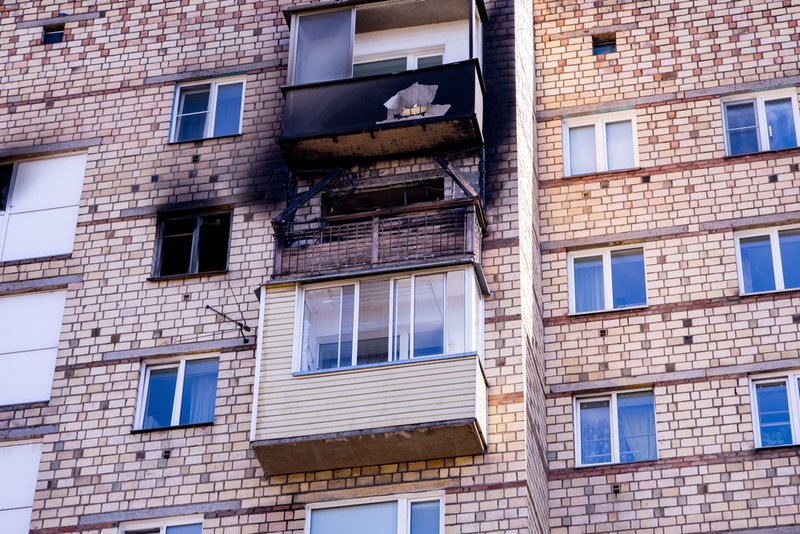
Fire and smoke losses frequently involve complex movement of particulates through building assemblies, especially in multi-story or high-occupancy facilities. Insurers may undervalue cleaning needs or overlook areas where soot migrated through ductwork or insulation. An appraisal can be useful when the dispute centers on how extensive the smoke remediation must be.
When Storm Damage Creates Scale-Related Disputes
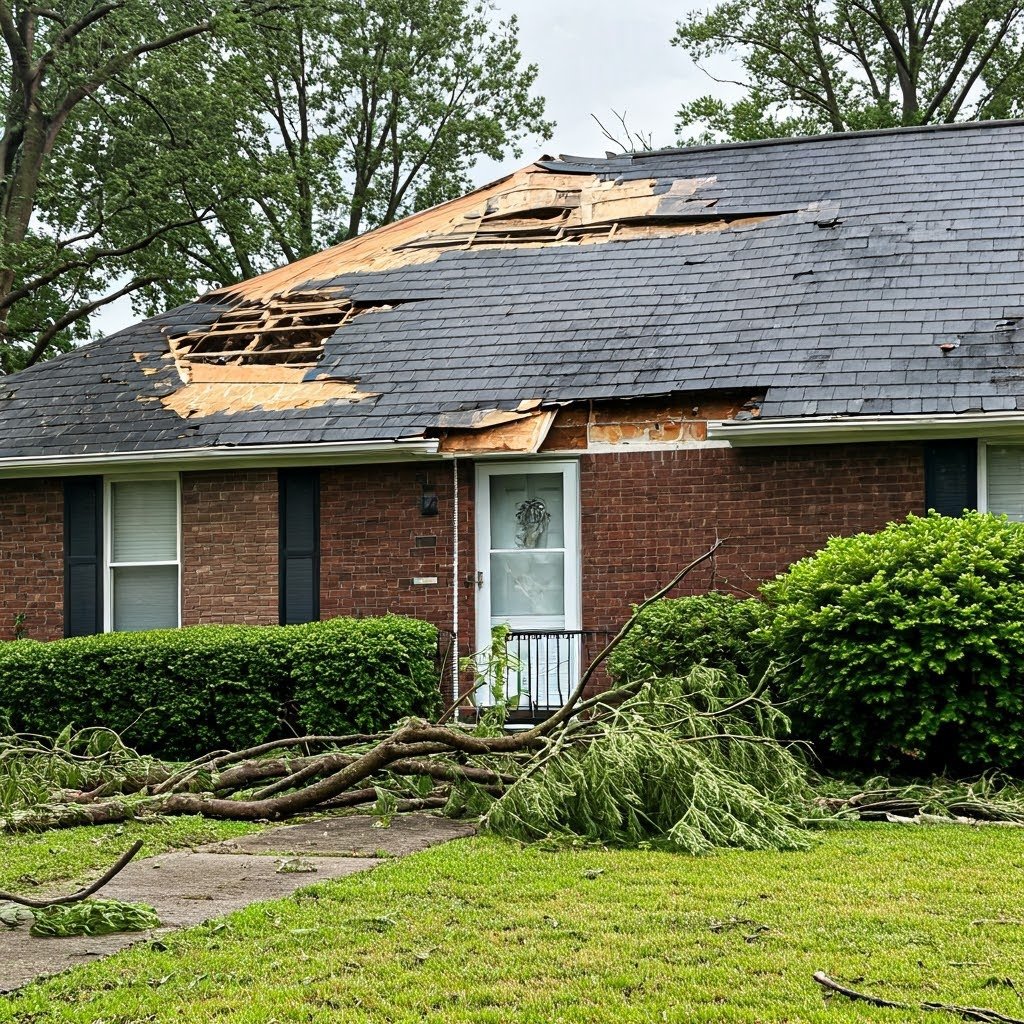
Large commercial roofs, exterior systems, and rooftop equipment often sustain widespread damage during major wind or hail events. Insurers rely heavily on regional averages, which may not reflect the true cost of repairing specialized systems in hospitals, industrial facilities, or multi-family complexes. If the insurer accepts coverage but applies a valuation that does not match the building’s actual repair needs, appraisal creates a structured way to address those pricing gaps.
When Moisture-Driven Deterioration Raises Scope Questions
After a water event, prolonged moisture exposure can lead to microbial contamination, which requires specific remediation steps. Insurers sometimes minimize these conditions, framing them as maintenance issues rather than part of the sudden loss. When coverage is already acknowledged, but the remediation plan is disputed, appraisal may help align the valuation with the actual conditions documented on-site.
Policyholder Responsibilities Still Drive the Outcome
Regardless of whether a claim is settled through the standard claims process or appraisal, policyholders must meet all post-loss requirements. These include:
- Prompt reporting
- Reasonable mitigation to prevent additional damage
- Documentation of conditions before cleanup
- Preservation of affected materials when required
- Maintenance records demonstrating system care
- Inventories for damaged equipment or contents
APA and NAPIA emphasize that incomplete documentation frequently leads to valuation disputes. Strong documentation strengthens both the standard claim process and appraisal discussions.
Empowering Policyholders With the Right Information
Understanding the difference between property appraisal and the standard claims process helps property managers, facility leaders, and contractors choose the right strategy after a loss. Appraisal is a structured tool for resolving valuation disputes, but it works best when paired with strong documentation, technical assessments, and informed representation.
Velocity Public Insurance Adjusters supports policyholders with certified expertise in water, fire, smoke, and structural drying assessments while helping them navigate the full claims process with confidence. Schedule a call for a free claim and policy review.
Related posts
How Insurers Are Reassessing Risk Zones in the Age of Extreme Weather
Extreme weather is forcing insurers to rethink risk zones. Learn how modern risk assessment in insurance is reshaping coverage, premiums, and claims.

How to Stay Calm and Strategic After a Major Property Loss
An independent adjuster can help property owners stay calm, avoid costly mistakes, and build a strategic insurance claim after a major property loss.

Insurance Claim Management for Healthcare Facilities: Common Pitfalls and Protections
Learn common pitfalls in insurance claims for healthcare facilities and how to protect your organization from costly delays and underpayments.
Claim Services We Provide
Velocity Public Insurance Adjusters handles a variety of claim types for both commercial and residential property losses: weather-related damage, theft and vandalism, fire and smoke damage.


Members of


Velocity Public Insurance Adjusters is a Certified Firm with the IICRC.
IICRC Certified Firms are known for their high level of technical experience and professionalism.
With the rapid increase in consumer calls due to the demand for mitigation and restoration projects,
Certified Firms are working in the field every day and have unmatched expertise in complex restoration projects.
Client testimonials
Don't take our word for it, see what our clients are saying about us.
Contact us
Schedule a free, no-obligation, claim and policy review. Every property claim is different, and we'd like the opportunity to provide you with an assessment of your unique situation.


- Indiana
- Kentucky
- Michigan
- Ohio
- Iowa
- Wisconsin
- South Carolina
Use of Information Purpose: We use your information to send mobile messages and respond to your inquiries as necessary. This may involve sharing your information with platform providers, phone companies, and other vendors who assist in message delivery.
Protection of Information: We do not sell, rent, loan, trade, lease, or otherwise transfer for profit any phone numbers or customer information collected through the SMS program to any third party.
Disclosure: We may disclose your information if required by law, regulation, or governmental request, to avoid liability, or to protect our rights or property.
Choices and Controls Consent: Consent to receive automated marketing text messages is not a condition of any service we provide.
Opt-Out: You can opt out of receiving further text messages via the Messaging Service by responding to any of our text messages with any of the following replies: STOP, END, CANCEL, UNSUBSCRIBE, or QUIT.
Your Responsibilities Accurate Information: Ensure that the information you provide is accurate, complete, and truthful. Do not use a false or misleading name or a name you are not authorized to use.
Consequences: If we believe the information provided is untrue, inaccurate, or incomplete, or if you have joined the program for ulterior motives, we may deny you access to the program.