

When property owners file claims after fire, water, or vandalism damage, they expect their carriers to uphold the policy they have paid into for years. Too often, however, insurance disputes arise when claims are delayed, underpaid, or denied outright. Commercial property managers, school administrators, and facility directors know how disruptive this can be when large-scale repairs and business interruptions are on the line.
This is where consumer advocacy groups play a vital role. These organizations do more than raise awareness, they help policyholders understand their rights, challenge unfair practices, and improve accountability across the insurance industry.
Why Insurance Disputes Happen
Insurance disputes occur when policyholders and carriers disagree about the scope, value, or coverage of a claim. According to the National Association of Insurance Commissioners (NAIC), claim settlement and delay issues are among the most common complaints filed by consumers each year.
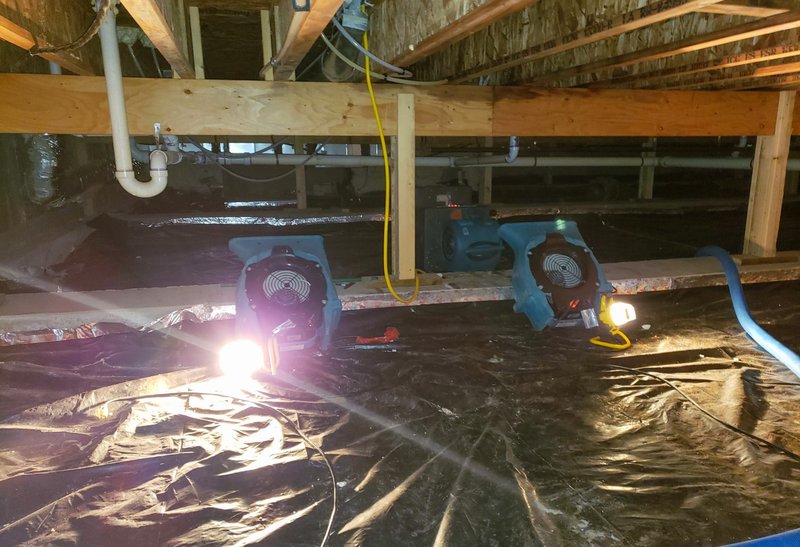
Some of the leading causes of disputes include:
- Claim Delays: Carriers sometimes take months to evaluate damage, leaving property owners to cover temporary repairs out of pocket.
- Lowball Estimates: Adjusters working for the carrier may minimize the scope of repairs, especially with hidden damages like microbial contamination after water damage or smoke residue following a fire.
- Coverage Interpretations: Insurers often rely on technical policy language to classify damage as “wear and tear” or “maintenance issues” rather than covered losses.
- Documentation Disputes: Missing receipts, incomplete logs, or late notices can be used to justify reducing or denying payment.
For property managers of hospitals, schools, or manufacturing plants, these disputes don’t just delay repairs, they can cause operational downtime that multiplies the financial impact.
The Role of Consumer Advocacy Groups
Consumer advocacy groups exist to ensure that policyholders are not left powerless in these disputes. They provide oversight, education, and accountability, which are critical when facing well-resourced carriers. Three organizations stand out:
American Policyholder Association (APA)
- Investigates unethical claims practices, including fraud and misrepresentation by carriers.
- Provides resources to educate consumers on their rights and options during disputes.
- Brings systemic issues to light, helping push for reform in the insurance industry.
National Association of Public Insurance Adjusters (NAPIA)
- Advocates for high professional standards among public adjusters.
- Ensures policyholders have access to qualified, independent professionals who represent their interests exclusively.
- Offers guidance to help property owners navigate complex claims.
National Association of Insurance Commissioners (NAIC)
- Monitors complaint data to identify patterns of misconduct in claims handling.
- Works with state regulators to enforce fair practices.
- Provides public reports that allow consumers to see how carriers compare in complaint resolution.
By spotlighting unfair treatment and setting professional standards, these groups shift the balance of power closer to the policyholder.
How Advocacy Groups Help Policyholders
Consumer groups are valuable allies during insurance disputes because they:
- Provide Education: They publish guides and host forums to explain policyholder rights and obligations.
- Investigate Misconduct: They track cases of unfair claim handling and push for accountability.
- Offer Referrals: They connect property owners with qualified public insurance adjusters who specialize in claims representation.
- Strengthen Accountability: Their oversight pressures carriers to handle claims more fairly, knowing that poor practices will be documented and publicized.
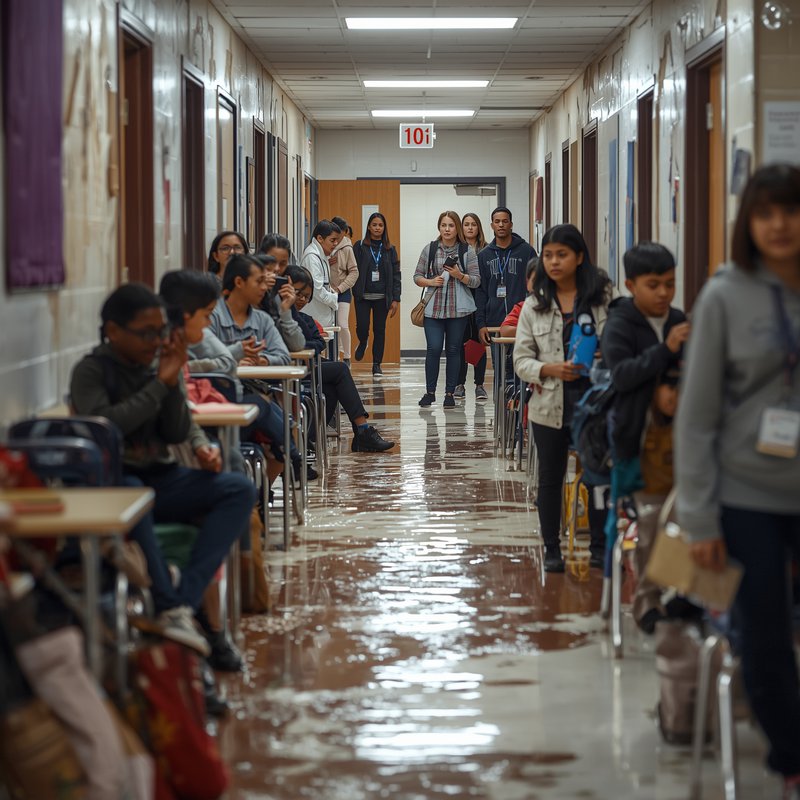
For example, when a school district suffers extensive water damage from broken plumbing, an advocacy group can advise administrators on steps to properly document the loss, explain deadlines for filing, and connect them with independent adjusters who ensure damages are not minimized.
Property Owner Responsibilities
While advocacy groups and public insurance adjusters can support policyholders, property owners still have duties under their policies. Most policies require:
- Prompt reporting of losses.
- Reasonable steps to mitigate damage (such as water extraction after a burst pipe).
- Detailed records of all expenses and communications.
Failure to follow these requirements can give carriers leverage to reduce or deny payment. A facility manager who delays drying after water damage, for example, risks additional microbial contamination, and carriers may argue that those costs are excluded.
Why Public Insurance Adjusters Complement Advocacy Groups
Advocacy groups provide education and oversight, but public insurance adjusters are the hands-on professionals who manage disputes at the claim level. They:
- Conduct independent inspections to uncover hidden or secondary damages.
- Prepare detailed estimates that reflect the full cost of repair.
- Communicate with carriers to prevent unnecessary delays.
- Rely on policy language to link damages directly to coverage.
Unlike carrier-employed adjusters, public insurance adjusters work solely for policyholders. This ensures that documentation and negotiations are not skewed to minimize payouts.
Protecting Policyholders in Insurance Disputes
Insurance disputes are almost inevitable when carriers prioritize their bottom line over fair settlements. Consumer advocacy groups like the APA, NAPIA, and NAIC help balance the scales by educating the public, investigating misconduct, and promoting higher standards across the industry. Public insurance adjusters then apply that advocacy at the claim level, ensuring no detail is missed and no damage is left undocumented.
At Velocity Public Insurance Adjusters, we share that mission. As IICRC-certified professionals in Water Damage, Structural Drying, Fire Damage, and Smoke Damage, we bring technical expertise that strengthens your claim from the ground up. Our job is to make sure property owners receive the settlement they deserve, and not the one carriers hope to pay.
Contact Velocity Public Insurance Adjusters today to learn how we can help you navigate the complex world of insurance claims with confidence.
Related posts
How Insurers Are Reassessing Risk Zones in the Age of Extreme Weather
Extreme weather is forcing insurers to rethink risk zones. Learn how modern risk assessment in insurance is reshaping coverage, premiums, and claims.

How to Stay Calm and Strategic After a Major Property Loss
An independent adjuster can help property owners stay calm, avoid costly mistakes, and build a strategic insurance claim after a major property loss.
Insurance Claim Management for Healthcare Facilities: Common Pitfalls and Protections
Learn common pitfalls in insurance claims for healthcare facilities and how to protect your organization from costly delays and underpayments.
Claim Services We Provide
Velocity Public Insurance Adjusters handles a variety of claim types for both commercial and residential property losses: weather-related damage, theft and vandalism, fire and smoke damage.


Members of


Velocity Public Insurance Adjusters is a Certified Firm with the IICRC.
IICRC Certified Firms are known for their high level of technical experience and professionalism.
With the rapid increase in consumer calls due to the demand for mitigation and restoration projects,
Certified Firms are working in the field every day and have unmatched expertise in complex restoration projects.
Client testimonials
Don't take our word for it, see what our clients are saying about us.
Contact us
Schedule a free, no-obligation, claim and policy review. Every property claim is different, and we'd like the opportunity to provide you with an assessment of your unique situation.


- Indiana
- Kentucky
- Michigan
- Ohio
- Iowa
- Wisconsin
- South Carolina
Use of Information Purpose: We use your information to send mobile messages and respond to your inquiries as necessary. This may involve sharing your information with platform providers, phone companies, and other vendors who assist in message delivery.
Protection of Information: We do not sell, rent, loan, trade, lease, or otherwise transfer for profit any phone numbers or customer information collected through the SMS program to any third party.
Disclosure: We may disclose your information if required by law, regulation, or governmental request, to avoid liability, or to protect our rights or property.
Choices and Controls Consent: Consent to receive automated marketing text messages is not a condition of any service we provide.
Opt-Out: You can opt out of receiving further text messages via the Messaging Service by responding to any of our text messages with any of the following replies: STOP, END, CANCEL, UNSUBSCRIBE, or QUIT.
Your Responsibilities Accurate Information: Ensure that the information you provide is accurate, complete, and truthful. Do not use a false or misleading name or a name you are not authorized to use.
Consequences: If we believe the information provided is untrue, inaccurate, or incomplete, or if you have joined the program for ulterior motives, we may deny you access to the program.