

Storm season in Ohio brings more than heavy winds and scattered hail. For business and property owners, the aftermath often means navigating complex storm damage claims with insurance carriers that may undervalue or deny valid losses. Many find out too late that what seemed like a simple process is filled with technicalities and policy loopholes that work against them.
Understanding how storm damage claims are assessed, and why they’re often underpaid, helps policyholders take proactive steps before and after a loss. For commercial property owners, schools, hospitals, and manufacturing facilities, knowing the fine print is the first line of defense against a financial setback.
Why Storm Damage Claims Are Commonly Undervalued
Insurance carriers often process large volumes of storm-related claims in a short time frame. To control costs, they rely on internal adjusters or third-party firms focused on minimizing payouts. According to findings by the Florida Office of Program Policy Analysis and Government Accountability (OPPAGA), policyholders who used public insurance adjusters received significantly higher settlements on average compared to those who didn’t. The disparity highlights how underpayment is a systemic issue rather than an isolated occurrence.
For Ohio business owners, storm-related losses typically include:
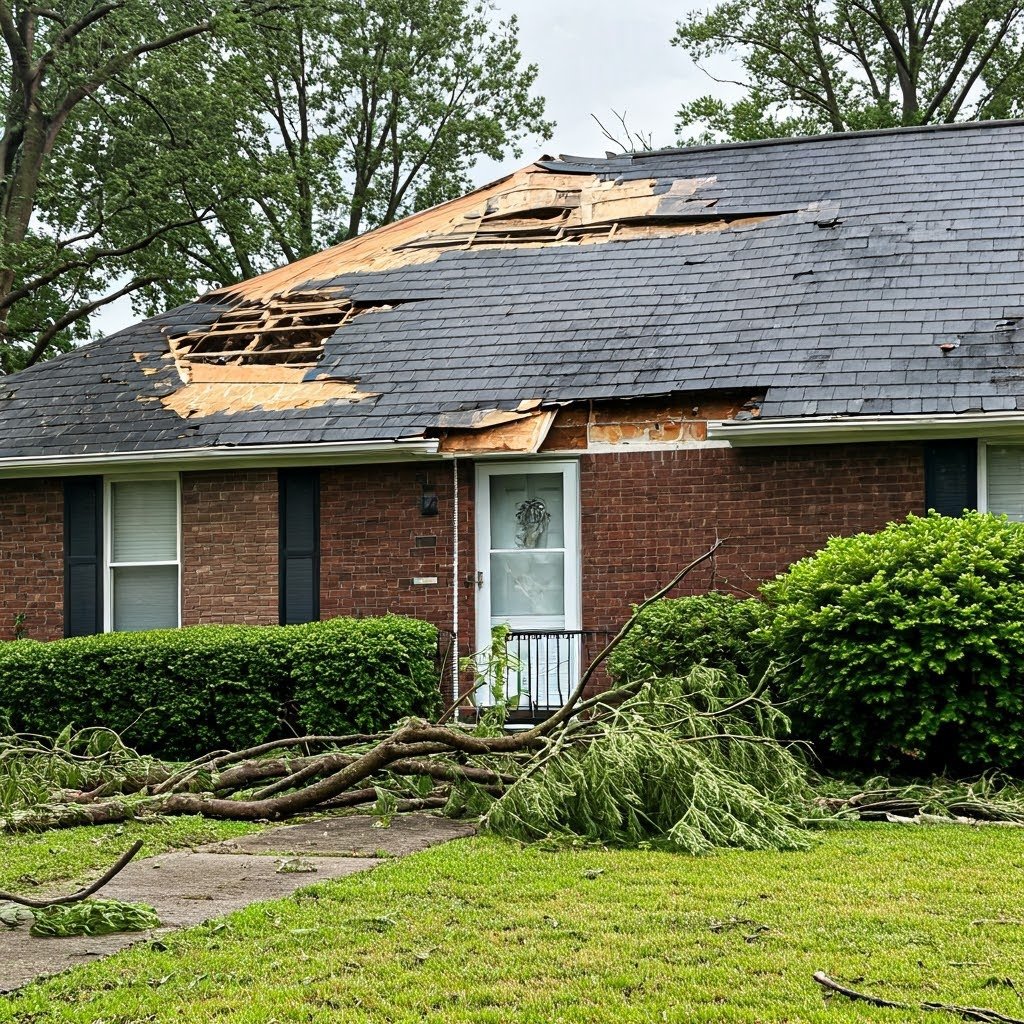
- Roof damage caused by hail or wind uplift
- Interior water intrusion due to compromised roofing or flashing
- Electrical and HVAC damage resulting from power surges or structural breaches
- Microbial contamination that develops after water intrusion events
While these issues seem straightforward, carriers frequently minimize damage estimates by claiming repairs are cosmetic or that the damage pre-dates the storm. Without proper documentation and technical expertise, property owners often accept settlements that don’t come close to covering restoration costs.

The Challenges of Post-Storm Inspections
After a major storm, insurance carriers often dispatch adjusters to inspect damage quickly. However, these inspections are typically surface-level and lack the comprehensive evaluation needed for large commercial structures.
Many carriers use non-certified adjusters who lack advanced training in identifying hidden moisture damage or structural compromise. This is particularly problematic with water-related losses, especially those involving roofing systems, insulation, or interior walls. If these areas aren’t properly tested with moisture mapping and infrared scanning, significant damage remains undocumented.
By the time secondary damage appears, such as microbial contamination or electrical issues, the original claim may already be closed or severely limited in scope. The property owner is then left funding the repairs that should have been covered from the start.
Understanding Policyholder Obligations After a Storm
Every policy includes post-loss obligations that property owners must meet to maintain coverage. Missing any of these can provide the carrier with grounds to reduce or deny payment. Common requirements include:
- Prompt notice of loss: Claims must be reported as soon as possible, often within strict timeframes.
- Mitigation of further damage: Property owners must take reasonable steps to prevent additional loss, such as temporary roof tarping or water extraction.
- Proof of loss documentation: Carriers may require detailed estimates, receipts, and records demonstrating the extent of damage.
- Cooperation with inspections: Policyholders are expected to make the property accessible and provide requested documentation.
These requirements sound simple, but they can be easily mishandled in the chaos following a major storm. Delays in mitigation or incomplete documentation often become the justification carriers use to minimize or deny payment entirely.
The Cost of Delayed or Denied Claims
For Ohio property owners, the economic impact of delayed or denied storm damage claims can be significant. Repairs left unfinished can lead to further deterioration, forcing businesses to close sections of their facilities or halt operations entirely.
In multi-family complexes or healthcare facilities, water intrusion or microbial contamination can quickly escalate into health and safety concerns. These risks add both financial and operational pressure, making fair claim resolution a matter of business continuity rather than convenience.
As outlined by the National Association of Insurance Commissioners (NAIC), insurance carriers have a duty to handle claims promptly and fairly. Yet, industry data and countless firsthand experiences show that this standard is inconsistently upheld. The difference often comes down to who represents the policyholder’s interests during the process.

Why Public Insurance Adjusters Make a Difference
Public insurance adjusters are the only type of adjuster licensed to represent property owners directly in first-party claims. They understand the intricacies of policy language, documentation requirements, and the technical elements of building assessments.
By conducting independent inspections, using specialized tools to detect hidden damage, and negotiating directly with carriers, public adjusters help ensure that settlements reflect the true cost of restoring a property, not just what the carrier is willing to pay.
Organizations like the American Policyholders Association (APA) and the National Association of Public Insurance Adjusters (NAPIA) advocate for consumer rights in this process, emphasizing the importance of having a qualified expert represent the policyholder’s side. Their ongoing research and advocacy have shown that independent representation significantly improves claim outcomes across the industry.
Choosing the Right Partner for Storm Damage Claims
Selecting the right advocate after a storm can determine whether your recovery is smooth or financially draining. Public adjusters who hold certifications in water damage, structural drying, and fire or smoke restoration bring additional value by ensuring that hidden or secondary losses are properly identified and documented.
At Velocity Public Insurance Adjusters, we are certified through the IICRC in Water Damage, Structural Drying, Fire Damage, and Smoke Damage. Our team understands how insurance carriers evaluate claims and how to protect policyholders from common underpayment tactics.
If you’re a property owner in Ohio dealing with recent storm damage or simply want to ensure your property is fully protected, our team can help you navigate the process with clarity and confidence. Schedule a call for a free claim and policy review today.
Related posts
How Insurers Are Reassessing Risk Zones in the Age of Extreme Weather
Extreme weather is forcing insurers to rethink risk zones. Learn how modern risk assessment in insurance is reshaping coverage, premiums, and claims.

How to Stay Calm and Strategic After a Major Property Loss
An independent adjuster can help property owners stay calm, avoid costly mistakes, and build a strategic insurance claim after a major property loss.

Insurance Claim Management for Healthcare Facilities: Common Pitfalls and Protections
Learn common pitfalls in insurance claims for healthcare facilities and how to protect your organization from costly delays and underpayments.
Claim Services We Provide
Velocity Public Insurance Adjusters handles a variety of claim types for both commercial and residential property losses: weather-related damage, theft and vandalism, fire and smoke damage.


Members of


Velocity Public Insurance Adjusters is a Certified Firm with the IICRC.
IICRC Certified Firms are known for their high level of technical experience and professionalism.
With the rapid increase in consumer calls due to the demand for mitigation and restoration projects,
Certified Firms are working in the field every day and have unmatched expertise in complex restoration projects.
Client testimonials
Don't take our word for it, see what our clients are saying about us.
Contact us
Schedule a free, no-obligation, claim and policy review. Every property claim is different, and we'd like the opportunity to provide you with an assessment of your unique situation.


- Indiana
- Kentucky
- Michigan
- Ohio
- Iowa
- Wisconsin
- South Carolina
Use of Information Purpose: We use your information to send mobile messages and respond to your inquiries as necessary. This may involve sharing your information with platform providers, phone companies, and other vendors who assist in message delivery.
Protection of Information: We do not sell, rent, loan, trade, lease, or otherwise transfer for profit any phone numbers or customer information collected through the SMS program to any third party.
Disclosure: We may disclose your information if required by law, regulation, or governmental request, to avoid liability, or to protect our rights or property.
Choices and Controls Consent: Consent to receive automated marketing text messages is not a condition of any service we provide.
Opt-Out: You can opt out of receiving further text messages via the Messaging Service by responding to any of our text messages with any of the following replies: STOP, END, CANCEL, UNSUBSCRIBE, or QUIT.
Your Responsibilities Accurate Information: Ensure that the information you provide is accurate, complete, and truthful. Do not use a false or misleading name or a name you are not authorized to use.
Consequences: If we believe the information provided is untrue, inaccurate, or incomplete, or if you have joined the program for ulterior motives, we may deny you access to the program.