

For property owners, facility managers, and contractors, handling an insurance claim after a loss can be one of the most critical steps in recovery. Yet too often, the settlement offer received from an insurance company does not reflect the true cost of repairs. This is a common scenario that leads to insurance disputes.
An insurance dispute is not necessarily a fight. Instead, it is a process of reassessing the settlement offer to make sure it aligns with policy coverage and accurately reflects the damages sustained. Knowing when to seek a second opinion can mean the difference between a full recovery and a financial shortfall that leaves important repairs incomplete.
Why Settlement Offers Are Often Underpaid
Insurance carriers are businesses with financial interests, and their claims departments are often designed to minimize payouts. Experts such as Jay M. Feinman, author of Delay, Deny, Defend, have documented how insurers regularly undervalue or deny claims.
A study by the Florida Legislature Office of Program Policy Analysis and Government Accountability (OPPAGA) showed that policyholders who hired a public insurance adjuster received substantially higher settlements than those who managed claims alone. In many cases, settlement amounts were hundreds of percent higher when a public adjuster advocated for the insured.
Losses involving water damage, fire, vandalism, or microbial contamination are especially prone to underpayment. Without technical expertise, policyholders often accept settlements that do not account for the full scope of work required to restore their property.
Warning Signs That Point to Insurance Disputes
A second opinion is often necessary when certain red flags appear during the claims process. Here are some of the most common warning signs:
- A settlement offer that falls significantly short of actual repair or replacement estimates.
- Denial of coverage that appears to contradict the policy language.
- Delays in communication or settlement progress despite repeated documentation requests.
- Depreciation deductions that seem excessive or unexplained.
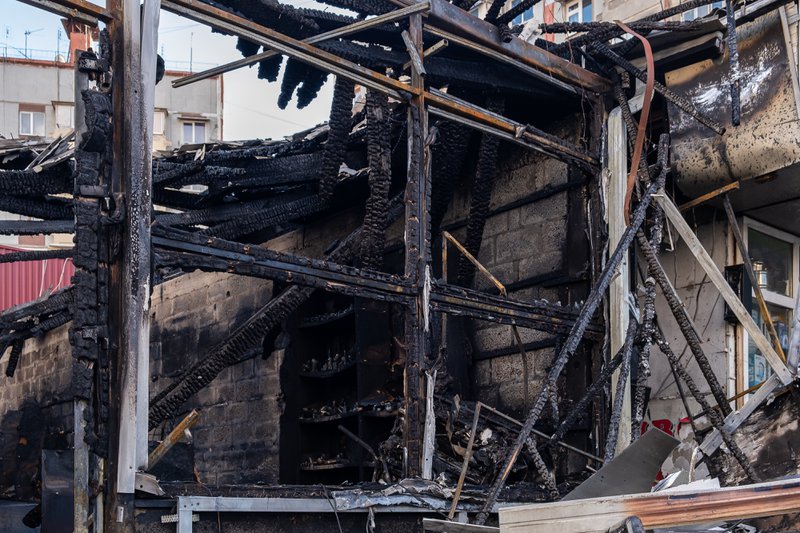
- Failure to account for secondary damages, such as smoke residue after a fire or microbial contamination after a water event.
These signals point to gaps in how the claim is being evaluated. At this stage, involving a public insurance adjuster or an independent adjuster can help uncover issues that the carrier may have overlooked or undervalued.
The Role of a Public Insurance Adjuster in Insurance Disputes
A public adjuster is a licensed professional who represents the policyholder rather than the insurance company. Unlike an insurance adjuster who is paid by the carrier, a public adjuster’s responsibility is to advocate for the insured. Their work includes reviewing policies, documenting damages, and negotiating settlements.
The National Association of Public Insurance Adjusters (NAPIA) emphasizes that public adjusters protect consumers from being underpaid or denied unjustly. Their expertise allows them to prepare detailed claims that reflect the true scope of damages, which often results in higher settlements that align with the coverage purchased.
As consumer advocate Chip Merlin notes in his book Pay Up!, insurance disputes are often about leverage. While carriers begin with the advantage of controlling the claims process, public adjusters provide the counterbalance by ensuring accuracy and fairness in how the claim is handled.
Water and Fire Damage Complexities
Among all types of property losses, water and fire damage claims are particularly complex. Water damage from broken pipes, sprinkler systems, or appliance failures is usually covered, but insurers frequently undervalue the cost of proper drying and remediation. This can leave property owners exposed to secondary microbial contamination if the structure is not restored correctly.
Public adjusters certified through the IICRC bring technical knowledge that helps identify the full scope of recovery needs. Their expertise ensures that settlements cover not just visible damage but also the hidden risks of structural moisture.
Similarly, fire and smoke damage claims often include costs that carriers overlook, such as smoke odor removal and detailed cleaning. A public adjuster certified in Fire Damage and Smoke Damage Restoration ensures that settlement offers account for the full restoration process, not only superficial repairs.
Policyholder Duties After a Loss
Most policies require the insured to meet specific duties after a loss. These obligations include prompt reporting of damages, steps to prevent further harm, and submission of requested documentation. Failure to comply can give insurers justification to delay or reduce payment.

A public insurance adjuster helps policyholders stay compliant while also ensuring that carriers do not exploit these duties to unfairly minimize claims. Their guidance provides reassurance that the policyholder’s side of the contract is being met while holding insurers accountable for theirs.
Why a Second Opinion Matters in Insurance Disputes
A second opinion on a settlement offer ensures that the claim is evaluated fairly. It is not about creating unnecessary conflict but about achieving an accurate assessment of the true damages and costs. Bill Wilson, author of When Words Collide, reminds us that policies should be interpreted based on reasonable expectations of coverage, not on narrow readings that benefit carriers.
When faced with an insurance dispute, a second opinion from a public adjuster can protect long-term recovery. By bringing expertise, technical knowledge, and advocacy, they maximize the settlement so that property owners, contractors, and managers can restore buildings to their pre-loss condition without compromise.
Protecting Recovery With the Right Advocate
Every insurance settlement offer deserves a careful review. If the numbers do not reflect the full cost of recovery or if coverage appears to be denied unfairly, a second opinion is essential.
At Velocity Public Insurance Adjusters, we specialize in guiding property owners through complex insurance disputes. With certifications through the IICRC in Water Damage, Structural Drying, Fire Damage, and Smoke Damage, our team combines technical expertise with strong advocacy. If you are facing a difficult claim or suspect you have been underpaid, we can help you understand your options.
Schedule a call for a free claim and policy review today.
Related posts
How Insurers Are Reassessing Risk Zones in the Age of Extreme Weather
Extreme weather is forcing insurers to rethink risk zones. Learn how modern risk assessment in insurance is reshaping coverage, premiums, and claims.

How to Stay Calm and Strategic After a Major Property Loss
An independent adjuster can help property owners stay calm, avoid costly mistakes, and build a strategic insurance claim after a major property loss.
Insurance Claim Management for Healthcare Facilities: Common Pitfalls and Protections
Learn common pitfalls in insurance claims for healthcare facilities and how to protect your organization from costly delays and underpayments.
Claim Services We Provide
Velocity Public Insurance Adjusters handles a variety of claim types for both commercial and residential property losses: weather-related damage, theft and vandalism, fire and smoke damage.


Members of


Velocity Public Insurance Adjusters is a Certified Firm with the IICRC.
IICRC Certified Firms are known for their high level of technical experience and professionalism.
With the rapid increase in consumer calls due to the demand for mitigation and restoration projects,
Certified Firms are working in the field every day and have unmatched expertise in complex restoration projects.
Client testimonials
Don't take our word for it, see what our clients are saying about us.
Contact us
Schedule a free, no-obligation, claim and policy review. Every property claim is different, and we'd like the opportunity to provide you with an assessment of your unique situation.


- Indiana
- Kentucky
- Michigan
- Ohio
- Iowa
- Wisconsin
- South Carolina
Use of Information Purpose: We use your information to send mobile messages and respond to your inquiries as necessary. This may involve sharing your information with platform providers, phone companies, and other vendors who assist in message delivery.
Protection of Information: We do not sell, rent, loan, trade, lease, or otherwise transfer for profit any phone numbers or customer information collected through the SMS program to any third party.
Disclosure: We may disclose your information if required by law, regulation, or governmental request, to avoid liability, or to protect our rights or property.
Choices and Controls Consent: Consent to receive automated marketing text messages is not a condition of any service we provide.
Opt-Out: You can opt out of receiving further text messages via the Messaging Service by responding to any of our text messages with any of the following replies: STOP, END, CANCEL, UNSUBSCRIBE, or QUIT.
Your Responsibilities Accurate Information: Ensure that the information you provide is accurate, complete, and truthful. Do not use a false or misleading name or a name you are not authorized to use.
Consequences: If we believe the information provided is untrue, inaccurate, or incomplete, or if you have joined the program for ulterior motives, we may deny you access to the program.