
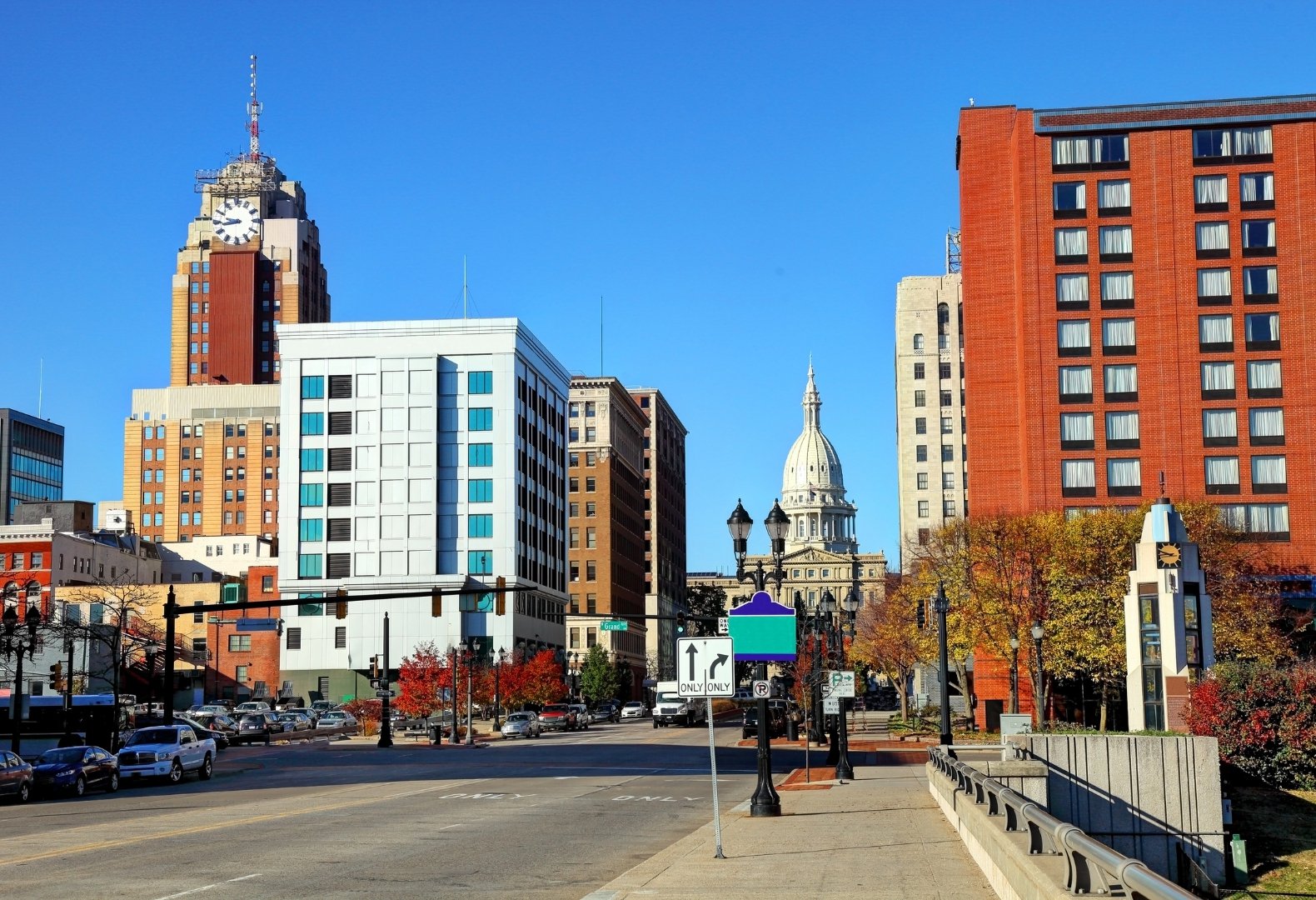
When it comes to protecting property in Michigan, whether commercial facilities, multi-family complexes, schools, or private residences, the right insurance coverage makes all the difference. Yet, too often, property owners discover that their claims are denied, delayed, or underpaid by the very companies they’ve paid premiums to for years. This is why working with an independent insurance adjuster is one of the smartest steps a policyholder can take to ensure a fair and accurate settlement.
This article breaks down Michigan’s property insurance laws with a focus on commercial and private property, vandalism, and weather-related coverage. It also explains why hiring an independent insurance adjuster is essential after experiencing a loss.
Commercial Property Insurance in Michigan
Commercial property insurance is not mandated by Michigan law, but it is typically required by lenders, landlords, or contract obligations. Under MCL § 500.610, insurers can provide coverage for buildings, equipment, inventory, and goods of every description.
Most policies are written as either:
- Named perils policies, which cover specific events like fire, windstorm, or vandalism.
- All-risk (special form) policies, which cover any cause of loss unless excluded in the contract.
For commercial property managers, facility operators, or contractors, the distinction matters. A named perils policy might not cover a major mechanical breakdown, while an all-risk policy could cover it unless explicitly excluded. Understanding which policy is in place before a loss occurs can make the difference between a claim being paid or denied.
Private Property Insurance
For homeowners and renters, property insurance is not legally required in Michigan, but nearly every mortgage lender requires it. Coverage typically includes:
- Dwelling coverage for the structure itself.
- Other structures such as garages, sheds, or fences.
- Personal property for belongings.
- Liability coverage if someone is injured on the property.
- Loss of use for additional living expenses when a home is uninhabitable.
The Department of Insurance and Financial Services (DIFS) regulates insurers and enforces fair claims handling, but it does not prevent insurance companies from underpaying or delaying claims. This is where a policyholder’s proactive approach to claims management becomes critical.
Vandalism and Malicious Mischief
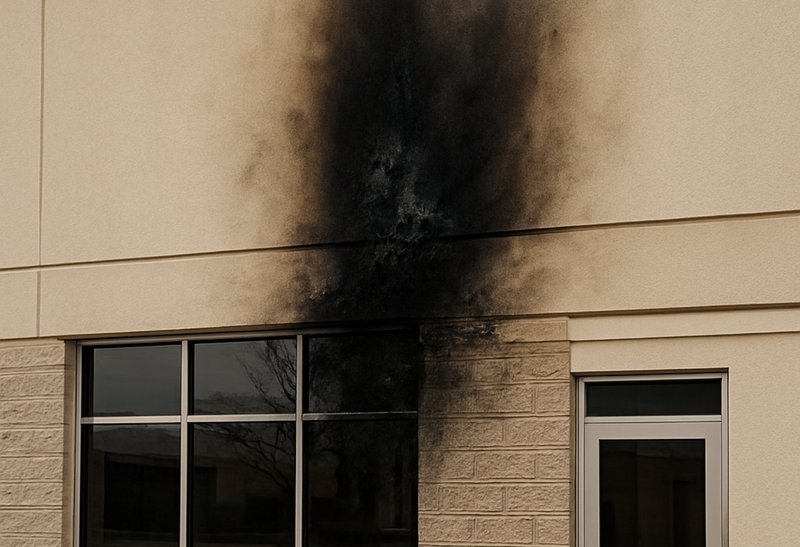
Michigan law allows insurers to cover losses from burglary, theft, shoplifting, and vandalism. For businesses, vandalism might mean broken windows, damaged signage, or stolen inventory. For homeowners, it may involve malicious damage to personal property.
Coverage is common, but exclusions apply. For example, if a building has been vacant for more than 30 or 60 days, vandalism claims are often denied unless the policy has been endorsed with vacancy coverage. Property managers overseeing multi-family or commercial facilities should pay close attention to these clauses, as vacancy can unintentionally void vandalism coverage.
Weather-Related Coverage
Weather losses are among the most frequent claims filed in Michigan. Standard property policies typically cover:
- Wind, hail, fire, and lightning
- Snow or ice damage such as roof collapse from excessive weight
- Water damage caused by sudden events, like burst pipes or sprinkler system failures
However, flooding from outside sources, storm surge, or surface water entering a building is excluded under most standard policies. Separate flood insurance is required for those perils. This is especially important for commercial facilities in lower elevations or near waterways.
It is worth noting that insurers are notorious for underestimating water damage losses, even when covered. Water-related claims are among the most frequently delayed and underpaid claims in Michigan, making professional advocacy essential.
Business Interruption Insurance
Business interruption coverage is optional but invaluable. If a covered peril, such as fire, vandalism, or a pipe burst, forces operations to shut down, this coverage helps replace lost income.
Facility managers and commercial contractors should be especially cautious about whether their policies include business interruption. Without it, even if the physical repairs are covered, the financial fallout from lost productivity can devastate a business.
Regulation and Consumer Protections
Michigan’s Department of Insurance and Financial Services oversees rate approvals, policy forms, and consumer complaints. Organizations like the National Association of Insurance Commissioners (NAIC), the American Policyholder Association (APA), and the National Association of Public Insurance Adjusters (NAPIA) emphasize that insurers often delay or deny claims as a standard business practice.
Studies found that claims handled with the support of a public insurance adjuster resulted in significantly higher settlements for policyholders. This reinforces what property owners across the country experience daily. Insurers underpay, and policyholders need professional representation.
Getting a Fair Claim: Why Hire an Independent Insurance Adjuster
Insurance company adjusters represent the insurer. Their job is to minimize payouts and protect the carrier’s bottom line. For property owners, that often means a claim payment far below what is needed for repairs.
An independent insurance adjuster, also known as a public insurance adjuster, works directly for the policyholder. They are first-party property damage adjusters whose sole role is to assess damage, interpret policy language, and negotiate a fair claim settlement on behalf of the insured.
For commercial property managers, contractors, or facility operators, working with a public adjuster is particularly important in cases involving:
- Large-scale water damage losses, excluding flood or storm surge
- Vandalism and malicious mischief
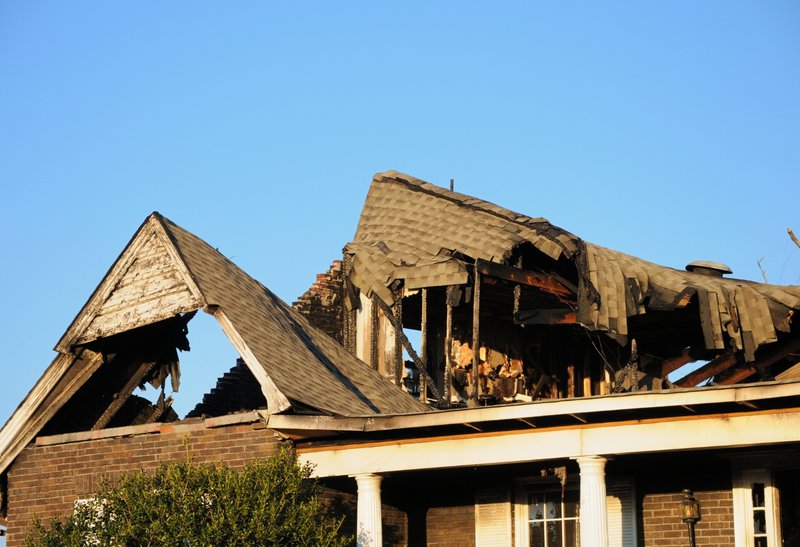
- Fire or weather-related damages to buildings or equipment
- Business interruption losses
Policyholders should remember that after a loss, they are responsible for documenting damages, mitigating further damage, and filing proof of loss within deadlines. An independent insurance adjuster ensures these requirements are met while advocating for the claim’s full value.
Protecting Property Owners with an Independent Insurance Adjuster
Michigan property insurance laws give policyholders a framework for coverage, but insurance carriers frequently deny, delay, or underpay claims. For property managers, contractors, and facility operators, this can mean tens or hundreds of thousands of dollars in unrecovered damages.
Hiring an independent insurance adjuster gives policyholders the advantage of having someone on their side. Industry research proves that claims handled by public adjusters result in more accurate and fair settlements. Advocacy organizations such as APA and NAPIA consistently remind policyholders that relying solely on the insurance company’s adjuster will rarely lead to the best outcome.
Schedule a call for a free claim and policy review to ensure you are getting the coverage and claim settlement you deserve.
Related posts
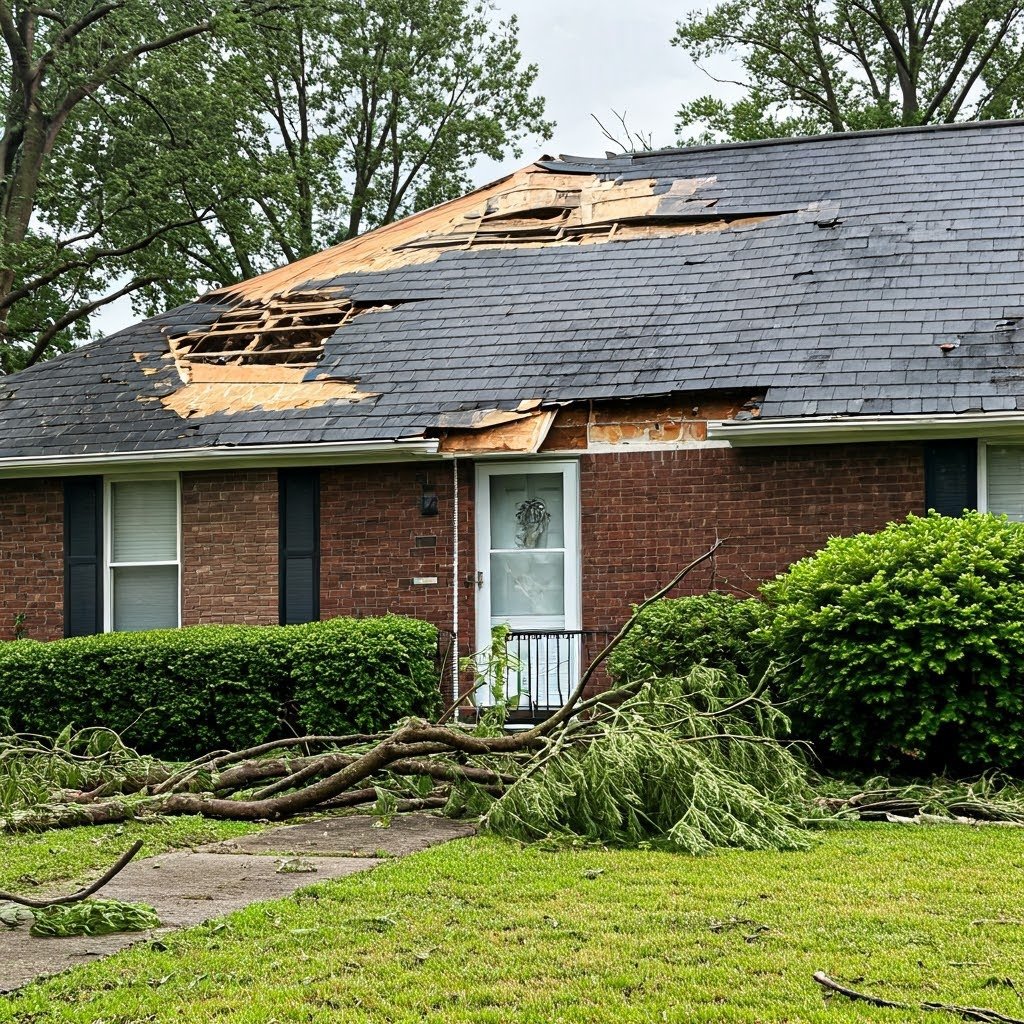
How Insurers Are Reassessing Risk Zones in the Age of Extreme Weather
Extreme weather is forcing insurers to rethink risk zones. Learn how modern risk assessment in insurance is reshaping coverage, premiums, and claims.

How to Stay Calm and Strategic After a Major Property Loss
An independent adjuster can help property owners stay calm, avoid costly mistakes, and build a strategic insurance claim after a major property loss.

Insurance Claim Management for Healthcare Facilities: Common Pitfalls and Protections
Learn common pitfalls in insurance claims for healthcare facilities and how to protect your organization from costly delays and underpayments.
Claim Services We Provide
Velocity Public Insurance Adjusters handles a variety of claim types for both commercial and residential property losses: weather-related damage, theft and vandalism, fire and smoke damage.


Members of


Velocity Public Insurance Adjusters is a Certified Firm with the IICRC.
IICRC Certified Firms are known for their high level of technical experience and professionalism.
With the rapid increase in consumer calls due to the demand for mitigation and restoration projects,
Certified Firms are working in the field every day and have unmatched expertise in complex restoration projects.
Client testimonials
Don't take our word for it, see what our clients are saying about us.
Contact us
Schedule a free, no-obligation, claim and policy review. Every property claim is different, and we'd like the opportunity to provide you with an assessment of your unique situation.


- Indiana
- Kentucky
- Michigan
- Ohio
- Iowa
- Wisconsin
- South Carolina
Use of Information Purpose: We use your information to send mobile messages and respond to your inquiries as necessary. This may involve sharing your information with platform providers, phone companies, and other vendors who assist in message delivery.
Protection of Information: We do not sell, rent, loan, trade, lease, or otherwise transfer for profit any phone numbers or customer information collected through the SMS program to any third party.
Disclosure: We may disclose your information if required by law, regulation, or governmental request, to avoid liability, or to protect our rights or property.
Choices and Controls Consent: Consent to receive automated marketing text messages is not a condition of any service we provide.
Opt-Out: You can opt out of receiving further text messages via the Messaging Service by responding to any of our text messages with any of the following replies: STOP, END, CANCEL, UNSUBSCRIBE, or QUIT.
Your Responsibilities Accurate Information: Ensure that the information you provide is accurate, complete, and truthful. Do not use a false or misleading name or a name you are not authorized to use.
Consequences: If we believe the information provided is untrue, inaccurate, or incomplete, or if you have joined the program for ulterior motives, we may deny you access to the program.