
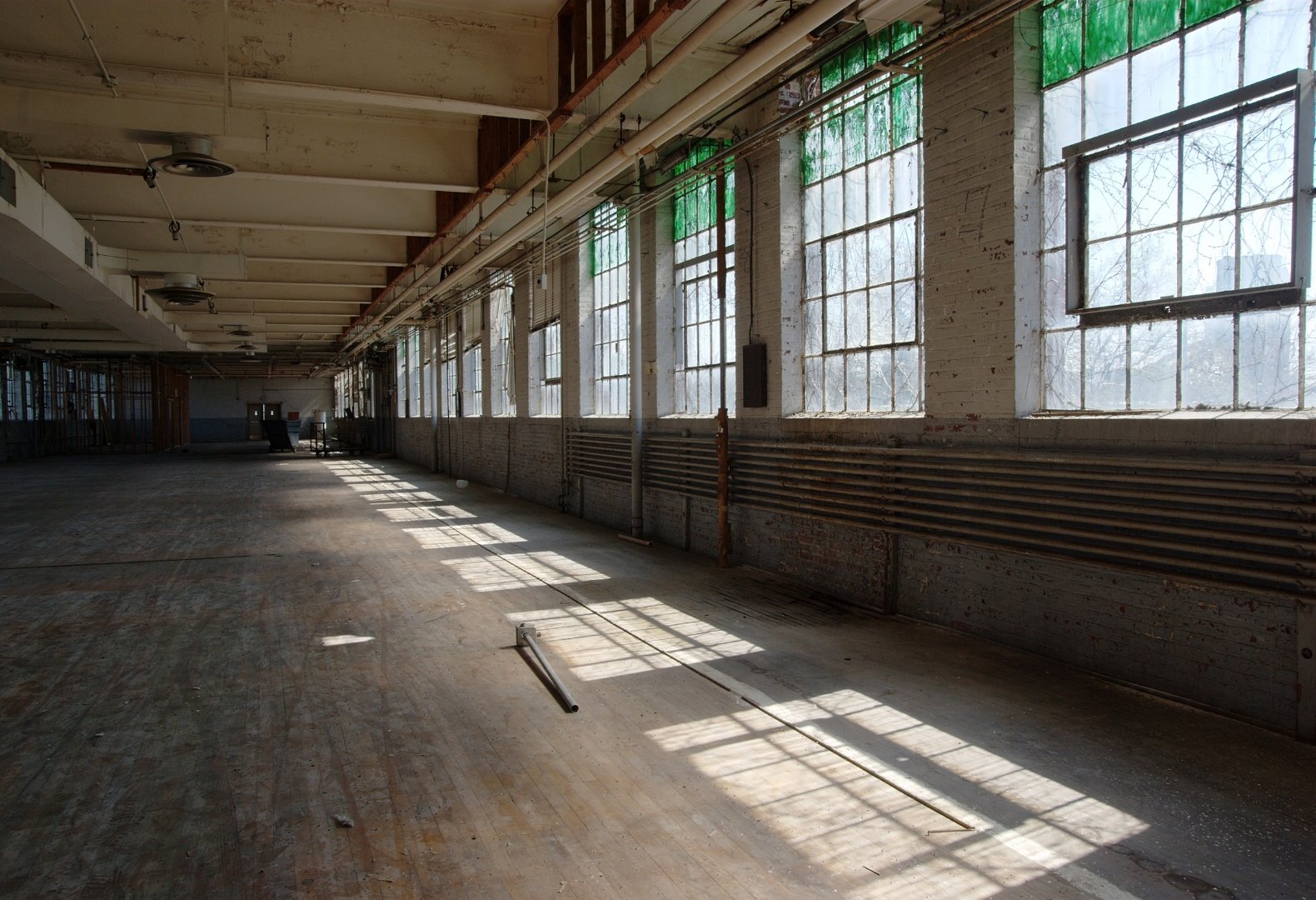
Understanding how property insurance policies define and cover unoccupied versus vacant properties is critical for property managers, contractors, and facility leaders. Insurers frequently deny or underpay claims based on property status, citing exclusions or lack of maintenance. Knowing the distinctions and how they affect your coverage can prevent costly surprises after a loss.
Why Property Status Matters in Insurance Coverage
Insurance carriers often use occupancy status to limit payouts. A building that is temporarily unoccupied may be covered differently than one deemed vacant. That distinction gives insurers leverage to argue claims should be denied for “pre-existing damage” or “failure to maintain,” especially in cases involving water damage, fire, or vandalism.
CONTACT US NOW!
State oversight of insurers is inconsistent. Some states provide strong consumer protections, while others leave significant gray areas. This inconsistency allows insurance carriers to interpret policy language to their advantage and minimize payouts.
Consumer advocacy groups like the National Association of Public Insurance Adjusters (NAPIA) and the American Public Adjusters Association (APA) warn that property owners face real risk when these classifications are misunderstood. For managers of schools, hospitals, apartment complexes, or manufacturing facilities, the consequences can be severe when insurers use property status to underpay or deny a valid claim.
Defining Vacant vs. Unoccupied Properties
While the terms may seem interchangeable, property insurance carriers view them very differently:
- Unoccupied Properties: A property that still contains furnishings, equipment, or operational systems but temporarily has no residents, tenants, or employees. Coverage often remains intact, but insurers may require additional safeguards like security alarms or scheduled inspections.
- Vacant Properties: A property that is entirely empty of furnishings, equipment, or people, showing no signs of use. Many carriers reduce coverage or apply stricter exclusions for vacant properties, especially in relation to water damage, fire, vandalism, and microbial contamination.
Why does this matter? Because a misclassification during a claim can lead to outright denial. An unoccupied medical facility under renovation might be deemed vacant, shifting coverage and dramatically reducing settlement value.
Common Claim Challenges for Vacant and Unoccupied Properties
Property insurance claims are often denied or delayed based on technicalities tied to occupancy status. Some of the most frequent challenges include:
- Ambiguous Definitions: Carriers may claim that a property was vacant, even if it was temporarily unoccupied.
- Water Damage Disputes: Insurers often argue that water damage was gradual or long-term neglect, even when it was sudden. Water loss disputes are especially common, as insurers know the burden of proof falls on the policyholder.
- Fire and Smoke Damage: Vacant properties may have reduced or excluded coverage for these losses, even when fire suppression systems were functional.
- Vandalism and Theft: Carriers frequently reduce coverage if they determine a property was vacant, regardless of preventive measures.
- Microbial Contamination: If a property is vacant, insurers may argue that microbial growth was due to neglect rather than a sudden, covered event.
These challenges illustrate how critical it is to document occupancy status and property condition before a loss occurs.
Proactive Steps to Strengthen Your Property Insurance Claims
Policyholders can greatly reduce the risk of denials by adopting a structured approach to maintenance and inspections. Insurers often rely on a lack of documentation to justify their decision, so building an evidence trail is essential.
Here are several proactive measures:
- Schedule Regular Inspections: Conduct seasonal checks on roofing, plumbing, HVAC, and electrical systems. Post-storm inspections are especially important, as insurers often argue that damage resulted from pre-existing conditions rather than the storm itself.
- Maintain Documentation: Keep detailed maintenance logs, including receipts, inspection reports, and photos. For water damage claims, drying logs and moisture maps aligned with IICRC Water Damage and Structural Drying standards provide powerful evidence.
- Secure the Property: For both vacant and unoccupied properties, alarms, cameras, and physical checks demonstrate reasonable care and can counter insurer arguments of neglect.
- Update Appraisals: Regular appraisals ensure properties are insured for their actual replacement cost. Outdated valuations can lead to underinsurance, leaving policyholders responsible for uncovered losses.
Taking these steps does not guarantee insurers will act fairly, but it strengthens your ability to challenge denials and underpayments.
The Role of Public Adjusters in Property Insurance Disputes
Even with preparation, disputes are common. Insurance carriers have an arsenal of tactics such as delays, lowball offers, and vague interpretations of exclusions. This is where a public adjuster becomes essential.
Unlike an independent insurance adjuster who may represent carriers, a public adjuster works exclusively for the policyholder. They:
- Interpret complex property insurance language
- Collect and organize evidence to prove sudden and accidental damage
- Negotiate directly with insurers for a fair settlement
Organizations like NAPIA and APA stress that public adjusters are first-party representatives, which means their loyalty lies only with the property owner. This advocacy is especially important when handling losses tied to water, fire, smoke, or microbial contamination.
Examples of How Insurers Use Property Status Against Policyholders
Consider these scenarios that highlight the importance of understanding property insurance rules for vacant and unoccupied buildings:
- A hospital wing undergoing renovation suffers sudden water damage from a burst pipe. The insurer argues the property was vacant, not unoccupied, and denies the claim.
- An apartment complex left empty between tenants experiences vandalism. The insurer reduces coverage, citing vacant property exclusions, even though the complex had active security measures.
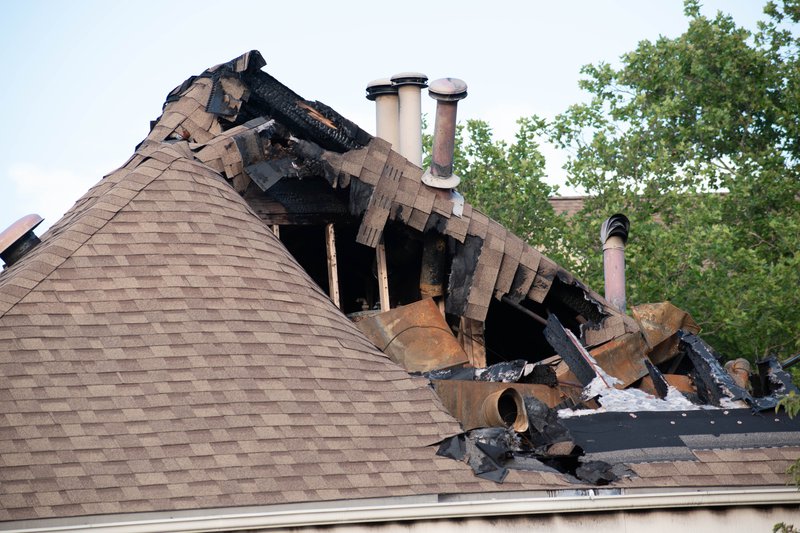
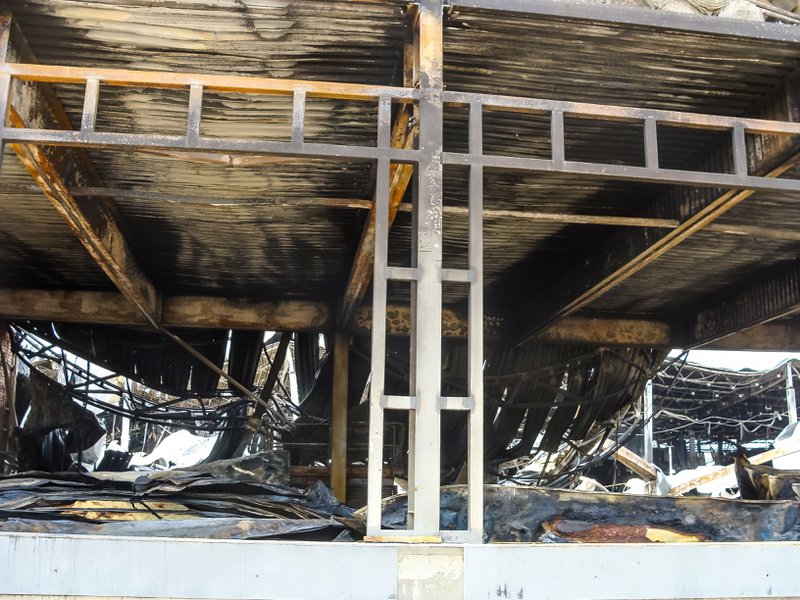
- A manufacturing facility sustains fire and smoke damage while temporarily unoccupied for maintenance. The insurer delays processing by questioning whether the property should be classified as vacant.
Each of these examples underscores how critical clear documentation and expert advocacy are when filing claims.
Protecting Properties with the Right Insurance Approach
Vacant and unoccupied properties may look similar, but property insurance carriers treat them very differently. Failing to understand that distinction can expose property owners and managers to serious financial risk when insurers deny or reduce claims. With proactive inspections, detailed documentation, and the support of a certified public adjuster, policyholders can push back against carrier tactics and secure the fair settlements they deserve.
Velocity Public Insurance Adjusters is IICRC certified in Water Damage Restoration, Structural Drying, Fire Damage, and Smoke Damage. These credentials ensure industry standards and technical expertise support claims, something insurers cannot easily dismiss.
Schedule a call for a free claim and policy review today.
Related posts
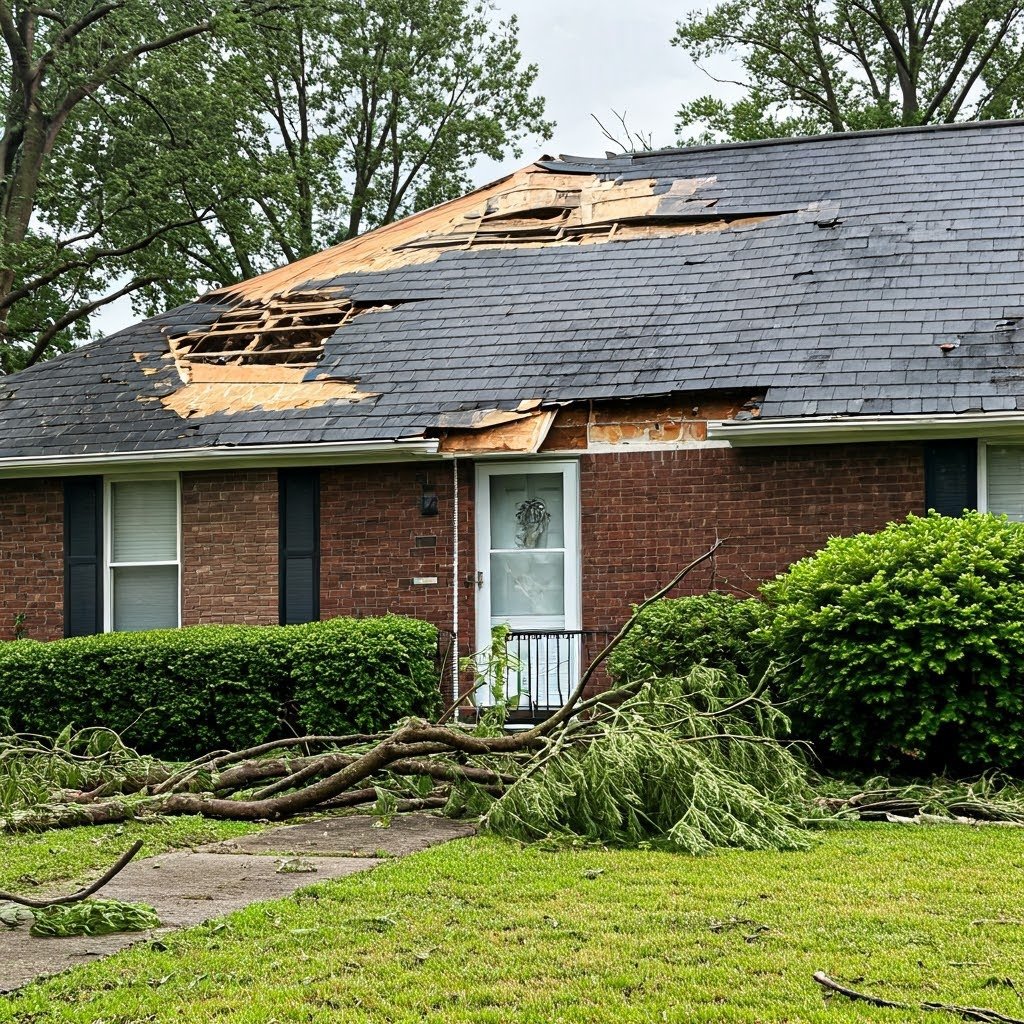
How Insurers Are Reassessing Risk Zones in the Age of Extreme Weather
Extreme weather is forcing insurers to rethink risk zones. Learn how modern risk assessment in insurance is reshaping coverage, premiums, and claims.

How to Stay Calm and Strategic After a Major Property Loss
An independent adjuster can help property owners stay calm, avoid costly mistakes, and build a strategic insurance claim after a major property loss.

Insurance Claim Management for Healthcare Facilities: Common Pitfalls and Protections
Learn common pitfalls in insurance claims for healthcare facilities and how to protect your organization from costly delays and underpayments.
Claim Services We Provide
Velocity Public Insurance Adjusters handles a variety of claim types for both commercial and residential property losses: weather-related damage, theft and vandalism, fire and smoke damage.


Members of


Velocity Public Insurance Adjusters is a Certified Firm with the IICRC.
IICRC Certified Firms are known for their high level of technical experience and professionalism.
With the rapid increase in consumer calls due to the demand for mitigation and restoration projects,
Certified Firms are working in the field every day and have unmatched expertise in complex restoration projects.
Client testimonials
Don't take our word for it, see what our clients are saying about us.
Contact us
Schedule a free, no-obligation, claim and policy review. Every property claim is different, and we'd like the opportunity to provide you with an assessment of your unique situation.


- Indiana
- Kentucky
- Michigan
- Ohio
- Iowa
- Wisconsin
- South Carolina
Use of Information Purpose: We use your information to send mobile messages and respond to your inquiries as necessary. This may involve sharing your information with platform providers, phone companies, and other vendors who assist in message delivery.
Protection of Information: We do not sell, rent, loan, trade, lease, or otherwise transfer for profit any phone numbers or customer information collected through the SMS program to any third party.
Disclosure: We may disclose your information if required by law, regulation, or governmental request, to avoid liability, or to protect our rights or property.
Choices and Controls Consent: Consent to receive automated marketing text messages is not a condition of any service we provide.
Opt-Out: You can opt out of receiving further text messages via the Messaging Service by responding to any of our text messages with any of the following replies: STOP, END, CANCEL, UNSUBSCRIBE, or QUIT.
Your Responsibilities Accurate Information: Ensure that the information you provide is accurate, complete, and truthful. Do not use a false or misleading name or a name you are not authorized to use.
Consequences: If we believe the information provided is untrue, inaccurate, or incomplete, or if you have joined the program for ulterior motives, we may deny you access to the program.