
Healthcare properties operate under a different level of operational pressure than most commercial buildings. A hospital wing cannot simply shut down for weeks. A surgical suite cannot tolerate moisture intrusion. A senior care facility cannot displace residents without consequence. That reality makes insurance claims for healthcare facilities uniquely complex.
When damage occurs, whether from water damage losses, fire and smoke damage, equipment failure, or severe weather, the claim must be managed with precision, documentation discipline, and an understanding of how insurers evaluate institutional risk.
Why Healthcare Claims Carry Higher Stakes
The National Association of Insurance Commissioners (NAIC) has consistently emphasized that claim outcomes depend heavily on documentation quality and policy interpretation. In large commercial losses, especially institutional properties, valuation disputes frequently stem from incomplete damage analysis or insufficient scope documentation.
A Florida OPPAGA study found that represented policyholders recovered significantly higher payments than unrepresented claimants in property damage cases. For complex institutional claims, that gap often widens due to system interdependencies and revenue components.
Healthcare facilities involve layered exposures:
- Patient safety obligations
- Regulatory compliance standards
- Critical mechanical systems
- Infection control protocols
- Revenue tied directly to operational continuity
Healthcare properties simply have more moving parts, and insurers evaluate each one individually.
Common Pitfall #1: Underestimating Water Damage in Clinical Environments
Water damage losses are among the most frequent and disruptive events in healthcare facilities. Interior plumbing failures, ruptured supply lines, sprinkler discharges, and HVAC drainage issues can affect:
- Surgical suites
- Imaging rooms
- Patient floors
- Pharmacy storage
- Data and communications systems
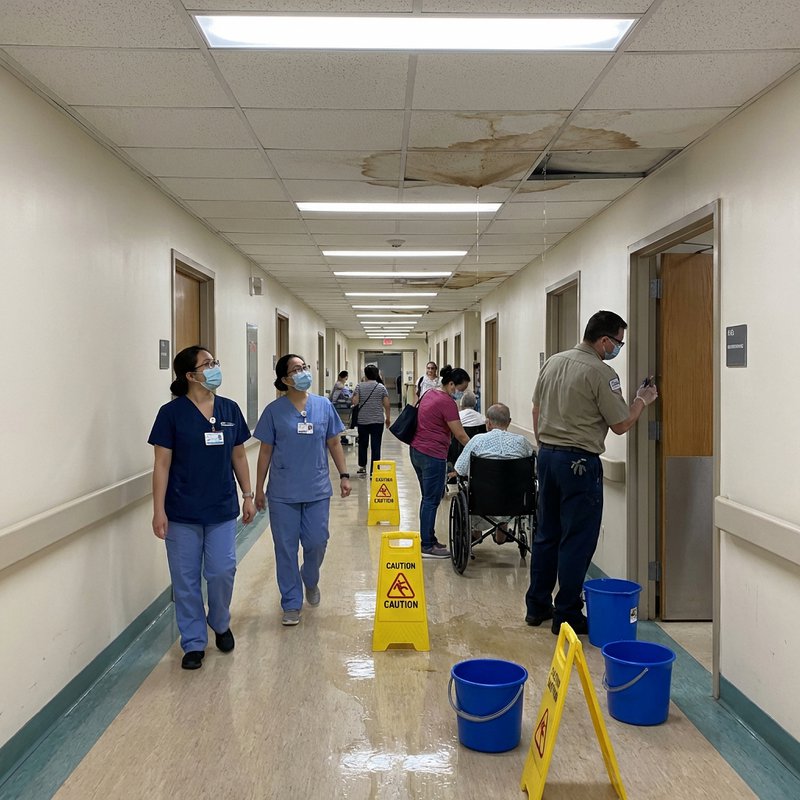
Moisture migration inside wall cavities and above ceiling assemblies can lead to microbial contamination if not properly mitigated. Healthcare properties must follow strict environmental standards, meaning restoration often requires containment zones, negative air systems, and verified structural drying.
When carriers limit drying days or question material replacement, the claim can stall. Proper moisture mapping, psychrometric readings, and structural drying documentation, especially when conducted by IICRC-certified teams, provide objective support for the full scope of necessary repairs. Healthcare environments require higher verification thresholds than standard office buildings.
Common Pitfall #2: Overlooking Smoke Migration and Equipment Contamination
Fire losses in healthcare properties rarely stop at the point of ignition. Smoke migrates vertically through ductwork, elevator shafts, and mechanical chases. Sensitive medical equipment can suffer contamination from particulate residue long after visible damage is addressed.
Insurance claims for healthcare facilities involving fire and smoke require a detailed assessment of:
- HVAC system cleaning or replacement
- Electronic equipment inspection
- Air handling contamination
- Sterile environment protocols
- Surface and porous material restoration
IICRC certifications provide standardized procedures for documenting soot residue, corrosion risk, and secondary contamination. Without this level of documentation, insurers may undervalue the required remediation effort.
Healthcare facilities cannot accept partial cleaning when infection control standards are at stake.
Common Pitfall #3: Incomplete Business Interruption Calculations
Hospitals and large medical campuses rely on steady revenue streams from:
- Surgical procedures
- Outpatient services
- Diagnostics
- Specialty care units
- Tenant medical offices
When a wing closes due to water damage or fire restoration, revenue impact extends beyond physical repair costs. Business income calculations must consider historical financial performance, seasonal fluctuations, and patient diversion patterns.
The OPPAGA report found that differences in claim valuations often arise from interpretations of policy language regarding business income and extra expense. If calculations are incomplete or poorly supported, insurers may limit recovery to narrow interpretations.
Healthcare administrators benefit from assembling financial documentation early and maintaining clear communication logs throughout the claim.
Common Pitfall #4: Delays in Documentation and Mitigation
Time matters in healthcare losses. Insurers often review:
- Date of loss reporting
- Mitigation timelines
- Emergency response measures
- Vendor engagement records
- Communication correspondence
Delays can raise questions about preventable damage or scope inflation. The American Policyholder Association (APA) and National Association of Public Insurance Adjusters (NAPIA) both emphasize that early, structured documentation improves claim outcomes and reduces disputes.
Healthcare facilities should implement internal claim response protocols that include:
- Immediate photographic documentation
- Vendor moisture reports
- Equipment inventory verification
- Daily mitigation logs
- Clear internal communication chains
A proactive approach strengthens the claim narrative and reduces unnecessary back-and-forth.
Common Pitfall #5: Accepting Carrier Scope Without Independent Review
Insurance carriers deploy adjusters and consultants to evaluate damage. Those evaluations shape the repair estimate. However, scope disagreements frequently occur in large institutional losses.
Healthcare properties face valuation challenges involving:
- Medical-grade materials
- Code-compliant rebuild standards
- Specialized HVAC systems
- Infection control barriers
- Equipment recalibration

When scope assessments omit these considerations, the claim may be underfunded.
The NAIC advises policyholders to fully understand policy provisions and valuation methods. Independent evaluation of scope can reveal gaps in drying duration, equipment testing, or replacement allowances.
Insurance claims for healthcare facilities benefit from oversight that understands both restoration science and carrier estimating methodology.
Protections Healthcare Facilities Should Put in Place
Large healthcare systems often maintain risk management teams, but even sophisticated organizations can experience claim friction. Strategic protections include:
- Annual policy review and coverage mapping
- Pre-loss building documentation
- Equipment asset tracking
- Vendor partnerships with IICRC-certified restoration professionals
- Defined internal claim escalation protocols
Water damage, fire damage, weather-related events, vandalism, and mechanical failures each carry unique documentation demands. Preparation reduces confusion when an event occurs.
Healthcare leadership teams should also educate department heads on reporting procedures. A claim’s strength often depends on the earliest internal communication.
The Role of a First-Party Public Adjuster in Healthcare Claims
Public adjusters represent the policyholder in first-party property damage claims. They document loss, analyze scope, evaluate carrier estimates, and advocate for accurate valuation.
According to NAPIA, policyholders working with licensed public adjusters frequently achieve more comprehensive claim settlements in complex property losses.
Healthcare claims require coordination across operations, facilities management, finance departments, and restoration vendors. Independent claim oversight helps align these components into a cohesive submission.
This process focuses on documentation accuracy, scope validation, and valuation support, not confrontation.
Protecting Institutional Assets Through Informed Claim Management
Insurance claims for healthcare facilities demand technical precision, financial clarity, and timely coordination. Water damage losses from internal systems, smoke migration, mechanical contamination, and business income disruption all require disciplined documentation.
Delays and valuation gaps often arise from incomplete scope analysis or insufficient operational evidence. Healthcare leaders who treat claim management as a structured financial process, not an administrative task, position their organizations for stronger outcomes.
Velocity Public Insurance Adjusters brings extensive experience handling large institutional property losses, including healthcare facilities, with IICRC certifications in Water Damage, Structural Drying, Fire Damage, and Smoke Damage. We focus on detailed documentation and accurate valuation to protect the full scope of covered damage. Schedule a call for a free claim and policy review today.
Related posts
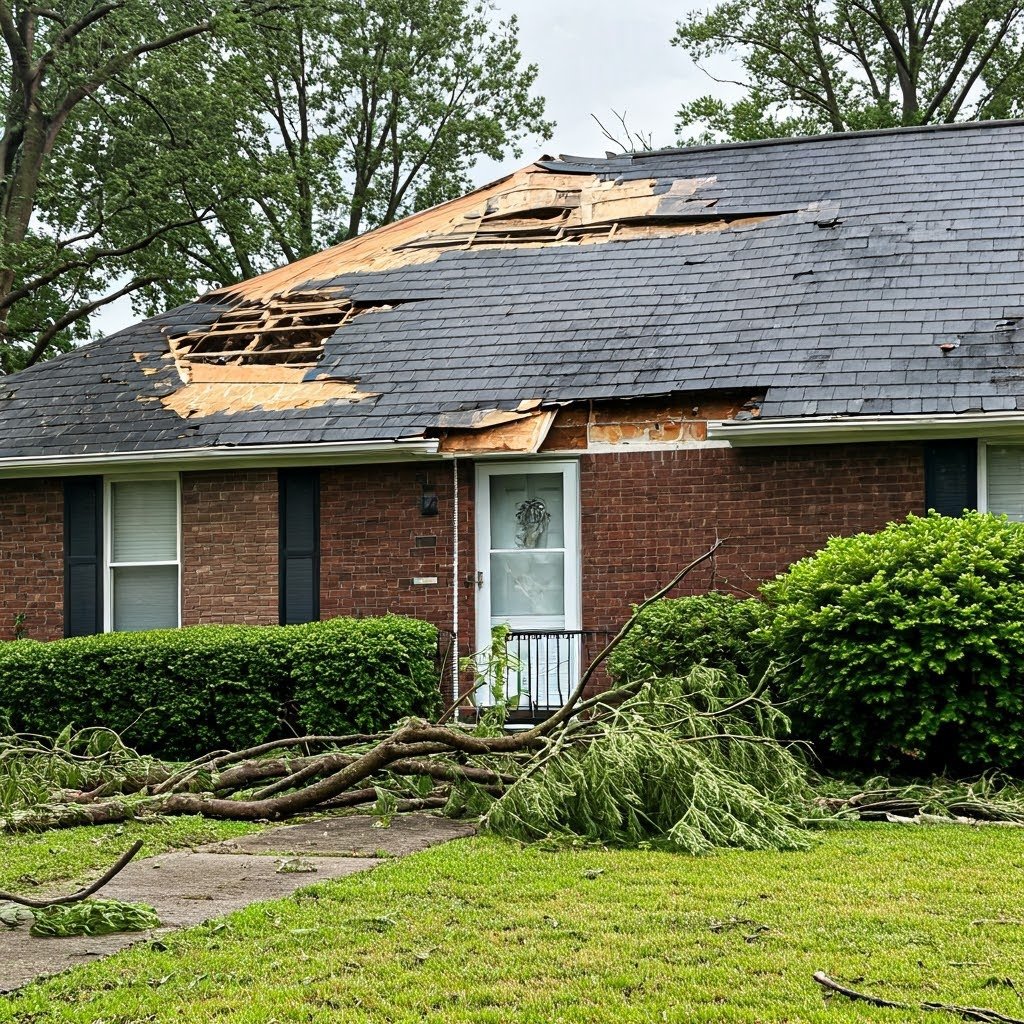
How Insurers Are Reassessing Risk Zones in the Age of Extreme Weather
Extreme weather is forcing insurers to rethink risk zones. Learn how modern risk assessment in insurance is reshaping coverage, premiums, and claims.

How to Stay Calm and Strategic After a Major Property Loss
An independent adjuster can help property owners stay calm, avoid costly mistakes, and build a strategic insurance claim after a major property loss.

7 Hidden Exclusions Most Homeowners and Property Managers Don’t Realize They Have
Hidden exclusions in property insurance can lead to denied claims and costly surprises. Learn the most overlooked gaps homeowners and managers face.
Claim Services We Provide
Velocity Public Insurance Adjusters handles a variety of claim types for both commercial and residential property losses: weather-related damage, theft and vandalism, fire and smoke damage.


Members of


Velocity Public Insurance Adjusters is a Certified Firm with the IICRC.
IICRC Certified Firms are known for their high level of technical experience and professionalism.
With the rapid increase in consumer calls due to the demand for mitigation and restoration projects,
Certified Firms are working in the field every day and have unmatched expertise in complex restoration projects.
Client testimonials
Don't take our word for it, see what our clients are saying about us.
Contact us
Schedule a free, no-obligation, claim and policy review. Every property claim is different, and we'd like the opportunity to provide you with an assessment of your unique situation.


- Indiana
- Kentucky
- Michigan
- Ohio
- Iowa
- Wisconsin
- South Carolina
Use of Information Purpose: We use your information to send mobile messages and respond to your inquiries as necessary. This may involve sharing your information with platform providers, phone companies, and other vendors who assist in message delivery.
Protection of Information: We do not sell, rent, loan, trade, lease, or otherwise transfer for profit any phone numbers or customer information collected through the SMS program to any third party.
Disclosure: We may disclose your information if required by law, regulation, or governmental request, to avoid liability, or to protect our rights or property.
Choices and Controls Consent: Consent to receive automated marketing text messages is not a condition of any service we provide.
Opt-Out: You can opt out of receiving further text messages via the Messaging Service by responding to any of our text messages with any of the following replies: STOP, END, CANCEL, UNSUBSCRIBE, or QUIT.
Your Responsibilities Accurate Information: Ensure that the information you provide is accurate, complete, and truthful. Do not use a false or misleading name or a name you are not authorized to use.
Consequences: If we believe the information provided is untrue, inaccurate, or incomplete, or if you have joined the program for ulterior motives, we may deny you access to the program.