

Most homeowners and property managers believe they have “good coverage” until a claim is denied. In many cases, the denial is not due to a missed payment or paperwork issue, but because the loss falls under one of many exclusions in property insurance that are easy to overlook and rarely explained clearly at purchase.
Insurance policies are complicated, legally binding contracts, and exclusions are often buried deep in the language. Yet these exclusions frequently apply to some of the most expensive and disruptive property losses. Understanding where coverage stops is just as important as knowing what is covered, especially in regions prone to storms, freezing, flooding, aging infrastructure, or tenant turnover.
Why So Many Property Insurance Claims Get Denied
Property insurance is designed to cover sudden and accidental losses. It is not meant to replace routine maintenance, address predictable wear, or insure against every possible risk. When claims are denied, it is often because the damage developed over time, originated from an excluded peril, or triggered a limitation the policyholder did not realize applied.
State insurance regulators consistently warn consumers that assumptions about coverage are among the leading causes of claim disputes, especially after widespread weather events.

What are exclusions in property insurance?
Exclusions in property insurance are specific events, conditions, or types of damage that a standard policy does not cover unless additional endorsements or separate policies are purchased. Common hidden exclusions include:
1) Flood Damage Is Almost Always Excluded
Flood damage remains one of the most misunderstood exclusions in property insurance. Standard homeowners and dwelling policies generally exclude damage caused by rising water, surface water, overflow of rivers or lakes, and storm surge.
Michigan’s Department of Insurance and Financial Services explicitly reminds consumers that flooding is typically not covered under a standard homeowners policy and requires separate flood insurance. Similar guidance applies across Indiana, Ohio, Iowa, Wisconsin, Kentucky, and across the country.
This exclusion frequently surprises policyholders after heavy rain events, when water enters through foundations or ground-level openings. Even if the rainstorm itself is covered, the resulting flood damage may not be.
2) Sewer, Drain, and Sump Pump Backup
Water damage caused by sewer or drain backup is another major source of denied claims. Many policies exclude backup losses unless the policyholder has purchased a specific endorsement.
Michigan regulators note that sewer and water backup coverage is not automatically included in standard policies. The change to the Indiana Department of Insurance advises homeowners to review whether they have added endorsements for sump pump overflow and sewer backup coverage.
This exclusion is especially relevant for properties with basements, older plumbing systems, or rental units where backups can impact multiple living spaces at once.
3) Earth Movement and Ground Shifting
Earth movement exclusions apply far more broadly than many policyholders realize. Most policies exclude coverage for damage caused by earthquakes, sinkholes, subsidence, landslides, and soil movement unless an endorsement or a separate policy is in place.
A 2024 industry overview lists earth movement as one of the most common exclusions nationwide. In Kentucky, the Department of Insurance explains that earthquake coverage is typically offered by endorsement and must be requested by the policyholder.
Even in states not commonly associated with earthquakes, soil shifting and subsidence claims can arise, particularly in and around farm lands, near waterways or in areas with certain geological conditions.
4) Wind, Hail, and Named Storm Deductibles
Wind and hail damage is often covered, but the deductible structure can dramatically affect how much the policyholder pays out of pocket. Many policies apply separate wind or named-storm deductibles calculated as a percentage of the dwelling’s insured value rather than a flat dollar amount.
The National Association of Insurance Commissioners explains that hurricane and wind deductibles can significantly increase the insured’s financial responsibility during major storms.
In South Carolina, coastal properties face an additional challenge. The South Carolina Department of Insurance explains that in certain coastal areas, insurers may exclude wind coverage entirely, requiring property owners to obtain a separate wind and hail policy through the state wind pool.
5) Ordinance or Law Coverage Gaps
Ordinance or law exclusions apply when rebuilding after a loss requires compliance with updated building codes. While a policy may cover repairs to damaged portions of a structure, it may not cover the cost of required code upgrades unless ordinance or law coverage is added.
Wisconsin’s Office of the Commissioner of Insurance highlights ordinance or law coverage as a key area consumers should review, especially for older buildings. In practice, code upgrades can add tens of thousands of dollars to a rebuild, particularly for electrical, plumbing, or accessibility requirements.
Property managers overseeing aging rental stock are especially vulnerable to this gap.
6) Mold, Fungi, and Rot Limitations
Mold is rarely covered without limitations. Many policies either exclude mold entirely or cap coverage at relatively low amounts, even when mold results from an otherwise covered water loss.
A 2024 insurer explainer identifies mold and fungi as common areas of limitation, often tied to whether the moisture condition was sudden or long-term.
Claims frequently hinge on whether the policyholder acted promptly to mitigate damage. Delays can lead insurers to deny mold-related portions of a claim, even when initial water damage is covered.
7) Gradual Damage, Wear and Tear, and Maintenance Issues
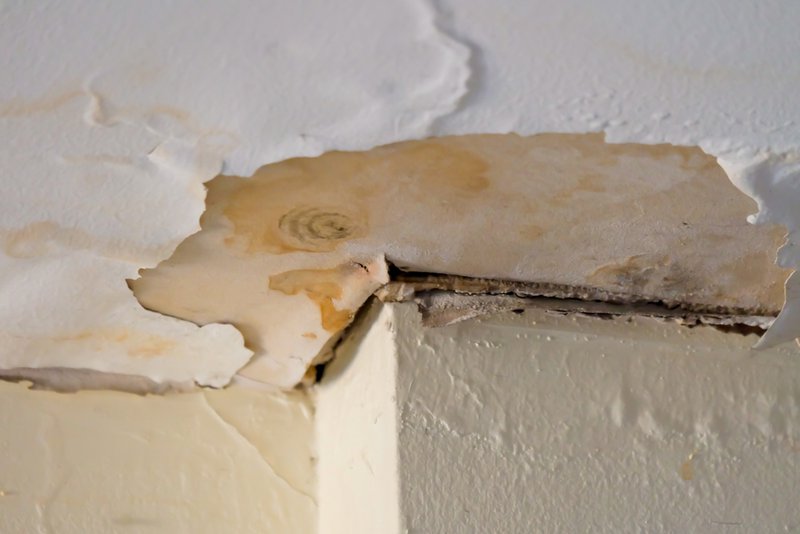
Insurance does not cover damage that develops slowly over time. Gradual leaks, seepage, corrosion, and repeated water intrusion are typically excluded as maintenance issues.
Consumer guidance published in 2025 emphasizes that insurers often distinguish between sudden water damage and long-term moisture problems, with only the former potentially covered.
This exclusion commonly affects claims involving stained ceilings, warped flooring, or hidden pipe leaks discovered months after they begin.
How Exclusions in Property Insurance Affect Homeowners vs Property Managers
Homeowners are most often affected by flood, backup, mold, and deductible-related exclusions. Property managers face additional exposure due to vacancy rules, ordinance or law requirements, and multi-unit loss scenarios.
Changes in property use, such as converting an owner-occupied home into a rental, can also alter how exclusions apply. Reviewing coverage when occupancy changes is critical.
How to Protect Yourself From Hidden Exclusions
The best protection against exclusions in property insurance is proactive review. Policyholders should review their coverage annually, ask for clarification on exclusions and endorsements, and reassess coverage after renovations, tenant changes, or major weather events.
Understanding exclusions before a loss occurs allows homeowners and property managers to make informed decisions, rather than discovering gaps during a claim.
Exclusions in property insurance are not unusual, hidden, or unfair. They are a standard part of how insurance works. What creates financial risk is not the exclusion itself, but failing to recognize how often these exclusions apply.
While homeowners and property managers focus on protecting their properties and understanding their coverage gaps, Velocity Public Insurance Adjusters steps in to analyze policies, identify exclusions, document damages, and advocate during the claims process. Engaging a public adjuster early helps policyholders avoid costly surprises, strengthen their claims, and pursue the full compensation their policies allow. Call today to schedule a free claim and policy review.
Related posts
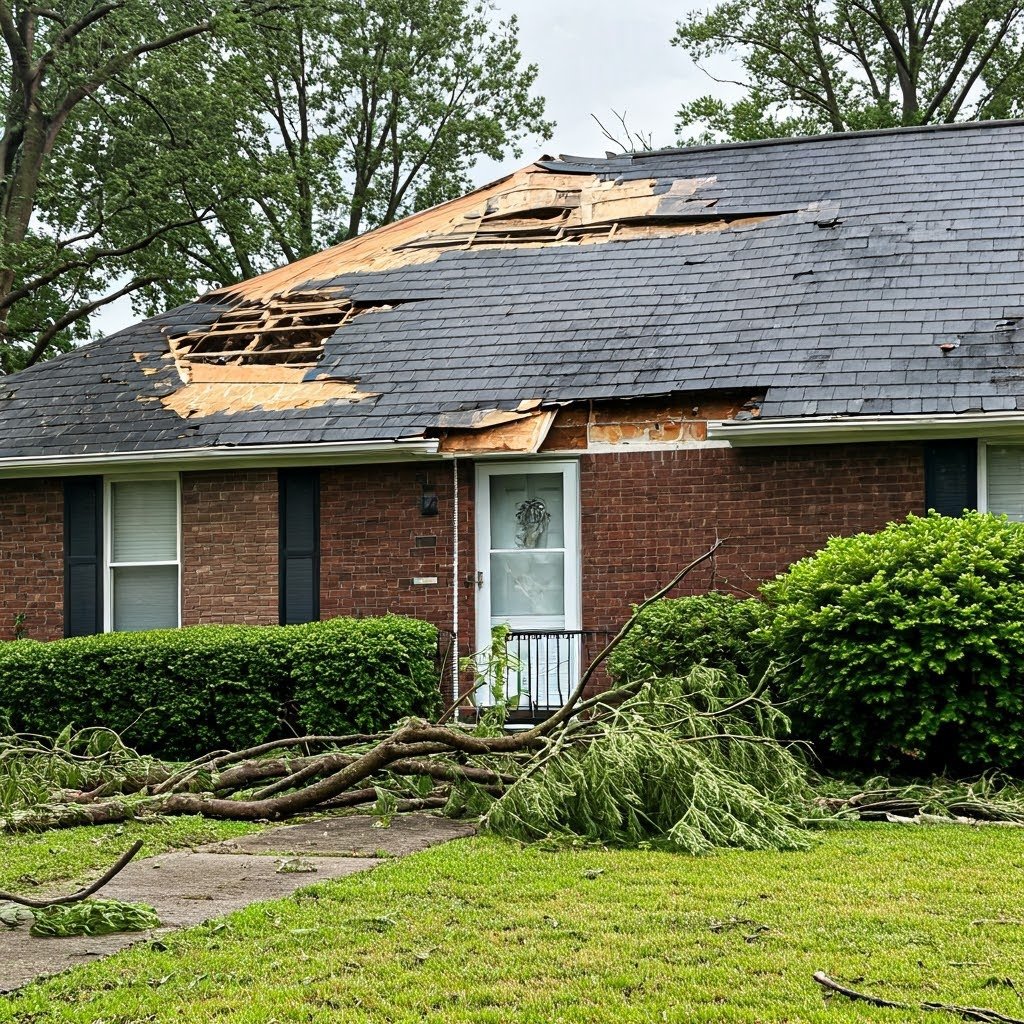
How Insurers Are Reassessing Risk Zones in the Age of Extreme Weather
Extreme weather is forcing insurers to rethink risk zones. Learn how modern risk assessment in insurance is reshaping coverage, premiums, and claims.

How to Stay Calm and Strategic After a Major Property Loss
An independent adjuster can help property owners stay calm, avoid costly mistakes, and build a strategic insurance claim after a major property loss.

Insurance Claim Management for Healthcare Facilities: Common Pitfalls and Protections
Learn common pitfalls in insurance claims for healthcare facilities and how to protect your organization from costly delays and underpayments.
Claim Services We Provide
Velocity Public Insurance Adjusters handles a variety of claim types for both commercial and residential property losses: weather-related damage, theft and vandalism, fire and smoke damage.


Members of


Velocity Public Insurance Adjusters is a Certified Firm with the IICRC.
IICRC Certified Firms are known for their high level of technical experience and professionalism.
With the rapid increase in consumer calls due to the demand for mitigation and restoration projects,
Certified Firms are working in the field every day and have unmatched expertise in complex restoration projects.
Client testimonials
Don't take our word for it, see what our clients are saying about us.
Contact us
Schedule a free, no-obligation, claim and policy review. Every property claim is different, and we'd like the opportunity to provide you with an assessment of your unique situation.


- Indiana
- Kentucky
- Michigan
- Ohio
- Iowa
- Wisconsin
- South Carolina
Use of Information Purpose: We use your information to send mobile messages and respond to your inquiries as necessary. This may involve sharing your information with platform providers, phone companies, and other vendors who assist in message delivery.
Protection of Information: We do not sell, rent, loan, trade, lease, or otherwise transfer for profit any phone numbers or customer information collected through the SMS program to any third party.
Disclosure: We may disclose your information if required by law, regulation, or governmental request, to avoid liability, or to protect our rights or property.
Choices and Controls Consent: Consent to receive automated marketing text messages is not a condition of any service we provide.
Opt-Out: You can opt out of receiving further text messages via the Messaging Service by responding to any of our text messages with any of the following replies: STOP, END, CANCEL, UNSUBSCRIBE, or QUIT.
Your Responsibilities Accurate Information: Ensure that the information you provide is accurate, complete, and truthful. Do not use a false or misleading name or a name you are not authorized to use.
Consequences: If we believe the information provided is untrue, inaccurate, or incomplete, or if you have joined the program for ulterior motives, we may deny you access to the program.