
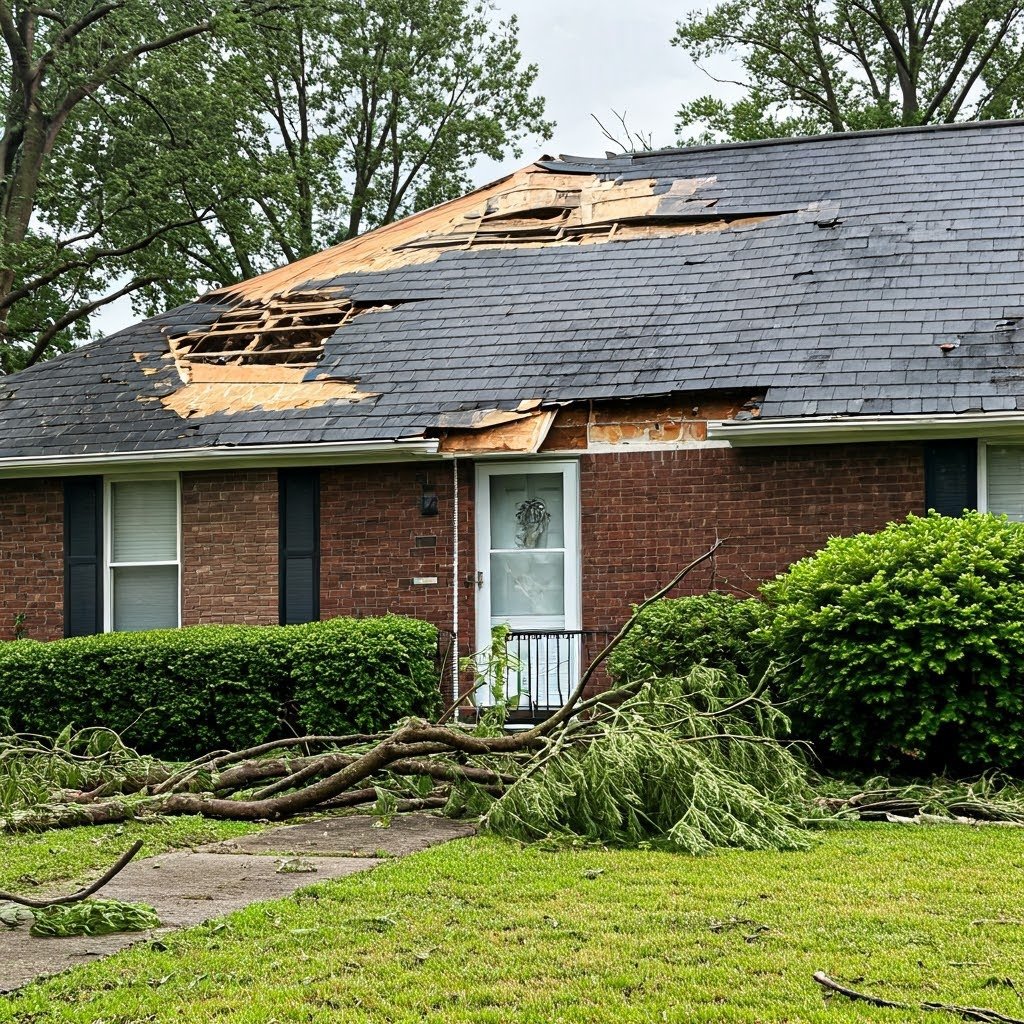
Extreme weather is reshaping how insurance carriers evaluate exposure across the United States. Nowhere is this shift more apparent than in the Midwest, where a noticeable increase in severe convective storms, hail events, and regional flooding has triggered a major shift in risk assessment in insurance. Carriers are reanalyzing geographic risk zones, adjusting underwriting models, and reevaluating which properties they are willing to insure.
For home owners, property managers, facility directors, and commercial contractors, these changes are not theoretical. They directly affect premiums, policy terms, deductibles, and how claims are evaluated after a loss. As insurers rely more heavily on climate modeling and advanced analytics, policyholders must understand how these decisions are made and how independent adjusters can help protect their interests during the claims process.
Why Extreme Weather Is Reshaping Risk Zones
Historically, insurers relied on decades of historical weather data to determine where risks were located. Today, those historical models are becoming less reliable because climate patterns are producing more frequent and more severe events. In the Midwest, severe convective storms are now one of the largest drivers of insured losses. These storms often produce high winds, large hail, and flash flooding that damage roofing systems, building envelopes, and interior components.
At the same time, inflation has dramatically increased the cost of construction materials, labor, and equipment. When a single storm damages thousands of structures across multiple counties, the financial exposure to insurance carriers rises rapidly. These combined pressures have produced what the industry refers to as a hard market, where carriers respond by tightening underwriting standards, raising premiums, and revising coverage terms.
For large residential and commercial properties, these changes can significantly alter insurance costs and claim outcomes. Carriers are no longer relying on broad regional categories. Instead, they are analyzing properties at a much more granular level.
Key Strategies in Risk Assessment in Insurance
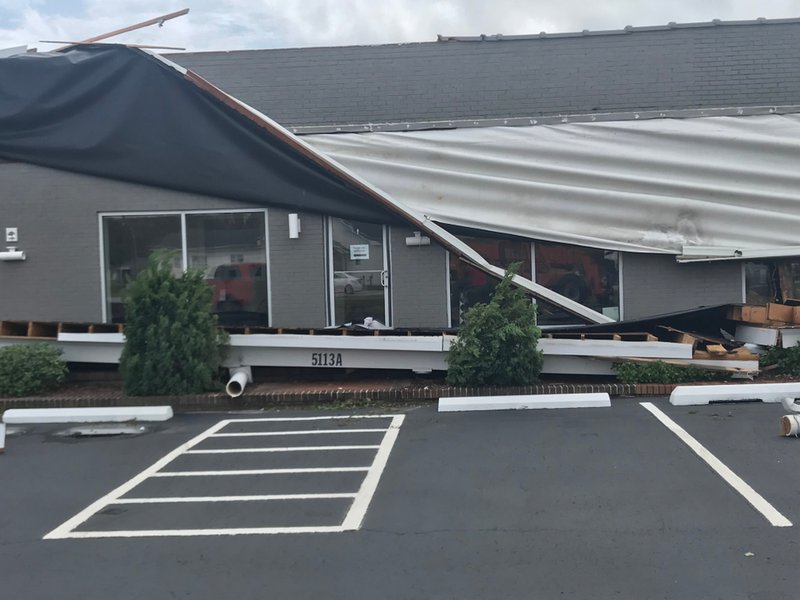
Modern risk assessment in insurance now relies heavily on technology and predictive modeling. Carriers are deploying several key strategies to redefine risk zones across the Midwest.
First, insurers are investing heavily in geospatial analytics. Satellite imagery, weather radar data, and property-level modeling allow carriers to evaluate individual structures based on roof age, construction materials, and proximity to flood-prone areas.
Second, catastrophe modeling has become more advanced. These models simulate storm scenarios to estimate how future weather patterns could affect specific regions. By combining meteorological data with property-level information, insurers can estimate potential losses more accurately.
Third, carriers are reassessing building vulnerability. Older properties with aging roofs, outdated drainage systems, or poorly maintained exterior assemblies are often classified as higher risk. This classification can lead to higher deductibles for wind and hail or more restrictive coverage terms.
Finally, underwriting guidelines are evolving quickly. Some insurers are reducing the number of policies they write in areas experiencing repeated severe weather losses. In certain markets, carriers are withdrawing entirely from specific high-risk zones.
These strategies allow insurers to refine their exposure models, but they also create new challenges for policyholders who may suddenly find their insurance options limited.
How the Midwestern Insurance Market Is Changing
The reassessment of risk zones is having a noticeable impact on commercial insurance markets across the Midwest. Property owners are encountering higher premiums, larger deductibles, and stricter policy conditions.
Wind and hail deductibles, for example, are increasing in many Midwestern states. These deductibles are often calculated as a percentage of a property’s insured value rather than a flat dollar amount. For a large commercial building, that can translate into hundreds of thousands of dollars in out-of-pocket exposure before coverage begins.
Carriers are also introducing more restrictive coverage language. Certain policies now include exclusions or sublimits for storm-related damage or water intrusion events. In addition, insurers may require more detailed documentation of building conditions before issuing or renewing a policy.
These changes reflect the broader economics of insurance. As losses increase, carriers must adjust their underwriting to maintain financial stability. However, the claims process itself can still present challenges for policyholders.
Industry studies highlight how disputes over damage scope and documentation can affect settlements. A study by OPPAGA examined more than 76,000 insurance claims and found that policyholders who used professional adjuster representation often received significantly larger settlements. In catastrophe claims, represented policyholders received payments that were 747 percent higher than those without representation.
This research illustrates an important reality in property insurance: evaluating the full scope of damage often requires detailed technical documentation and policy expertise.
Risk Mitigation Strategies Insurers Expect From Property Owners
As insurers reassess risk zones, they are also placing greater emphasis on mitigation. Properties that demonstrate strong risk management practices may receive more favorable underwriting consideration.
Roof maintenance is one of the most critical factors. Because severe convective storms frequently produce large hail, carriers evaluate roof condition carefully. Regular inspections, documentation of repairs, and replacement schedules can all influence how risk is evaluated.
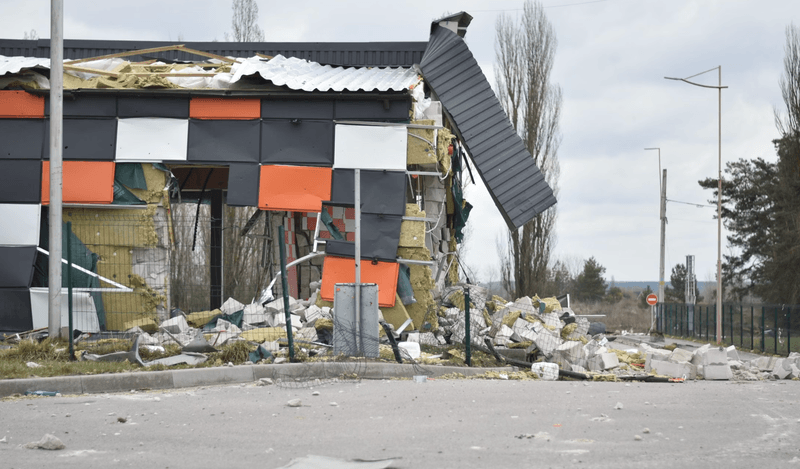
Water management is another major focus area. Proper drainage systems, functioning sump pumps, and well-maintained building envelopes help reduce the likelihood of interior water damage and microbial contamination following a storm event.
Fire protection systems are also critical, particularly in large commercial facilities. Modern fire detection and suppression systems reduce the severity of losses and demonstrate proactive risk management.
Mitigation does not eliminate risk entirely, but it can improve how insurers classify a property during the underwriting process.
The Role of Independent Adjusters in Risk Assessment in Insurance Claims
When a major loss occurs, the claims process becomes a technical evaluation of both damage and policy coverage. Insurance carriers assign their own adjusters to assess losses, but policyholders may also work with an independent adjuster who represents their interests during the claim.
Independent adjusters focus on documenting the full scope of damage, analyzing policy provisions, and ensuring that all covered elements of the loss are properly evaluated. This process can be especially important in complex claims involving multiple damage types such as water intrusion, fire damage, or smoke contamination.
For water-related losses, accurate moisture mapping and structural drying documentation are critical. Without proper drying protocols, water intrusion can lead to microbial contamination and structural deterioration within walls, ceilings, and flooring systems.
Fire losses require equally detailed analysis. Smoke residues can travel throughout HVAC systems, insulation cavities, and interior finishes. Without thorough inspection and cleaning protocols, contamination may remain long after visible fire damage has been repaired.
Independent adjusters help ensure these technical elements are documented correctly so the claim reflects the full scope of the loss.
Navigating a Changing Insurance Landscape
Extreme weather is reshaping how insurers evaluate exposure across the Midwest, and risk assessment in insurance is evolving rapidly as a result. Advanced modeling tools, rising construction costs, and repeated storm losses are pushing carriers to redefine risk zones and tighten underwriting standards.
For property managers, facility operators, and commercial contractors, understanding these changes is essential. Insurance policies are becoming more complex, and the claims process increasingly depends on technical documentation and policy expertise.
Velocity Public Insurance Adjusters works directly with policyholders to help them navigate these challenges. Our team operates as an independent adjuster representing the policyholder’s interests throughout the claim process, ensuring that damage is properly documented and evaluated. Contact us to schedule a free consultation today.
Related posts

How to Stay Calm and Strategic After a Major Property Loss
An independent adjuster can help property owners stay calm, avoid costly mistakes, and build a strategic insurance claim after a major property loss.

Insurance Claim Management for Healthcare Facilities: Common Pitfalls and Protections
Learn common pitfalls in insurance claims for healthcare facilities and how to protect your organization from costly delays and underpayments.

7 Hidden Exclusions Most Homeowners and Property Managers Don’t Realize They Have
Hidden exclusions in property insurance can lead to denied claims and costly surprises. Learn the most overlooked gaps homeowners and managers face.
Claim Services We Provide
Velocity Public Insurance Adjusters handles a variety of claim types for both commercial and residential property losses: weather-related damage, theft and vandalism, fire and smoke damage.


Members of


Velocity Public Insurance Adjusters is a Certified Firm with the IICRC.
IICRC Certified Firms are known for their high level of technical experience and professionalism.
With the rapid increase in consumer calls due to the demand for mitigation and restoration projects,
Certified Firms are working in the field every day and have unmatched expertise in complex restoration projects.
Client testimonials
Don't take our word for it, see what our clients are saying about us.
Contact us
Schedule a free, no-obligation, claim and policy review. Every property claim is different, and we'd like the opportunity to provide you with an assessment of your unique situation.


- Indiana
- Kentucky
- Michigan
- Ohio
- Iowa
- Wisconsin
- South Carolina
Use of Information Purpose: We use your information to send mobile messages and respond to your inquiries as necessary. This may involve sharing your information with platform providers, phone companies, and other vendors who assist in message delivery.
Protection of Information: We do not sell, rent, loan, trade, lease, or otherwise transfer for profit any phone numbers or customer information collected through the SMS program to any third party.
Disclosure: We may disclose your information if required by law, regulation, or governmental request, to avoid liability, or to protect our rights or property.
Choices and Controls Consent: Consent to receive automated marketing text messages is not a condition of any service we provide.
Opt-Out: You can opt out of receiving further text messages via the Messaging Service by responding to any of our text messages with any of the following replies: STOP, END, CANCEL, UNSUBSCRIBE, or QUIT.
Your Responsibilities Accurate Information: Ensure that the information you provide is accurate, complete, and truthful. Do not use a false or misleading name or a name you are not authorized to use.
Consequences: If we believe the information provided is untrue, inaccurate, or incomplete, or if you have joined the program for ulterior motives, we may deny you access to the program.