

A major property loss is disorienting. One moment, operations are normal. Next, everything feels uncertain. In those first hours, many property owners realize they need guidance from an independent private adjuster who can help bring order to chaos while emotions are still running high.
Phones ring nonstop, decisions pile up, and the pressure to “do something” sets in fast. Staying calm in this moment is not about ignoring fear or frustration. It is about creating enough stability to make decisions that protect the future.
This is where strategy matters. Not the aggressive, adversarial kind, but the steady, deliberate approach that keeps a bad situation from getting worse.
Why the First 72 Hours Shape the Entire Claim
The first three days after a loss are less about the insurance company and more about control. Safety comes first, always. Securing the site, protecting occupants, and addressing immediate hazards sets the tone for everything that follows.
Temporary mitigation is next. Drying wet areas, boarding openings, stabilizing systems, and preventing secondary damage are critical. These steps should focus on preventing further loss, not rushing into permanent repairs. Moving too fast here often creates documentation gaps that later become claim disputes.
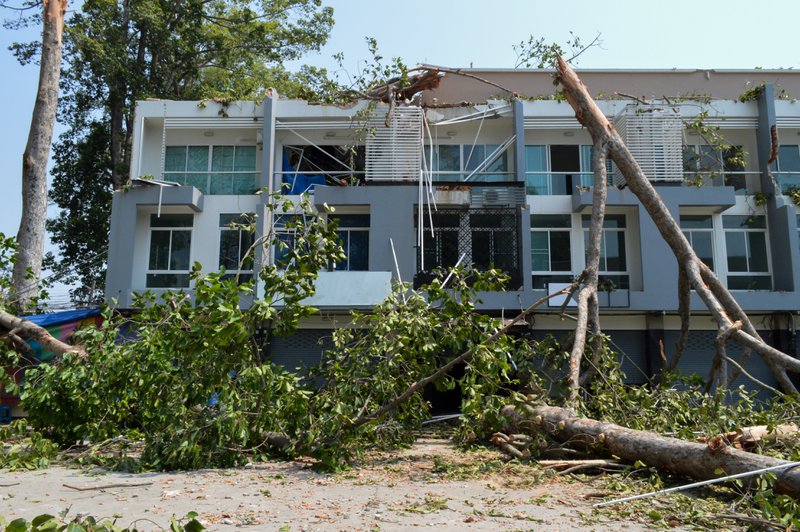
Documentation during this window matters more than most people realize. Photos, videos, emergency invoices, and notes about what happened and when create the foundation of the claim. Once conditions change, that evidence cannot be recreated.
One of the most overlooked risks in the first 72 hours is the pressure to give recorded statements. Adjusters working for the insurer may request detailed explanations while emotions are raw and facts are still unclear. Providing statements too early can unintentionally lock in assumptions that do not reflect the full scope of damage or cause.
The Emotional Reality No One Prepares You For
Property loss is not just a financial event. It is an emotional one. Shock is usually first. Many owners and managers describe feeling numb, as if they are watching someone else’s crisis unfold. That shock often turns into anger once the reality sets in, especially when damage threatens livelihoods, employees, or patients.
Decision fatigue follows quickly. Every choice feels urgent, yet none feel clear. Contractors, adjusters, and vendors all want answers at the same time. Fear of financial ruin lingers in the background, even for well-capitalized organizations.
Acknowledging these reactions matters. Emotional overload is not a personal failure. It is a predictable response to loss. Strategic mistakes often happen when people are expected to make complex financial decisions while still processing the event itself.
How Reactive Decisions Undermine Recovery
In the aftermath of a loss, speed is often mistaken for progress. This is where reactive decisions create long-term damage.
Accepting an early settlement offer is a common example. Initial numbers rarely reflect the full cost of repairs, business interruption, or additional expenses. Once accepted, reversing course becomes difficult or impossible.
Signing releases too early carries a similar risk. Documents presented as routine paperwork may limit future recovery before all damage is known. This is especially dangerous when secondary issues surface weeks or months later.
Poor contractor coordination is another frequent pitfall. Engaging multiple vendors without a unified scope often leads to inconsistent estimates and missing line items. Incomplete damage documentation compounds the problem, leaving gaps that the carrier may later question or deny.
Each of these choices feels small in the moment. Together, they can permanently reduce the value of a claim.
Understanding the Role of an Independent Private Adjuster
Clarity often returns when policyholders regain structure. This is where the right support makes a difference.
An independent adjuster who works for the policyholder can provide structure, clarity, and advocacy during a chaotic time. Their role is not to rush the process or inflame conflict, but to slow things down enough to make informed decisions.
It is important to distinguish this role from insurer-appointed adjusters, sometimes labeled as “independent.” Those professionals are selected and paid by the carrier. A policyholder’s independent adjuster represents only the insured’s interests.
This distinction matters most when emotions are high. Having someone whose sole responsibility is to the policyholder creates breathing room. It allows owners and managers to step out of crisis mode and back into leadership mode.
Building a Claim Strategically Instead of Emotionally
Strategic claim building begins with the policy, not the damage. Understanding what is covered, what is excluded, and what conditions apply shapes every next step. Skipping this review often leads to misaligned expectations and missed opportunities.
Scope validation follows. Damage should be assessed comprehensively, including areas that may not be visible immediately. Bringing in appropriate experts, whether engineering, accounting, or specialty consultants, strengthens the claim’s foundation.

Financial modeling turns damage into a narrative that the carrier must evaluate. Repair costs, operational impacts, extra expenses, and time-related losses should connect logically. This is not about inflating numbers. It is about accurately reflecting reality.
Negotiation planning comes last, not first. When documentation is complete and the financial story is coherent, discussions with the carrier become more productive and less emotionally charged. Throughout this process, calm leadership replaces reactive decision-making.
Staying Grounded While the Process Unfolds
Insurance claims rarely resolve quickly after major losses. The waiting can be as stressful as the event itself. Staying grounded means recognizing that progress is not always visible day to day.
Clear communication channels, organized documentation, and realistic timelines help reduce anxiety. So does having an advocate who can absorb carrier pressure and translate technical discussions into plain language.
The goal is not to remove emotion from the process. It is to keep emotion from driving decisions that affect long-term recovery.
Calm Is a Strategy, Not a Personality Trait
After a major property loss, calm is often mistaken for detachment. In reality, calm is a strategy. It is created through structure, information, and support, not through willpower alone.
An experienced independent adjuster can help transform chaos into a plan, allowing policyholders to protect both their financial recovery and their peace of mind.
Here at Velocity Public Insurance Adjusters, we approach claims with empathy, discipline, and strategic focus, helping clients move forward without being consumed by the process.
Are you facing a significant loss and are in need of steady guidance? Contact us today for a free claim and policy review.
Related posts
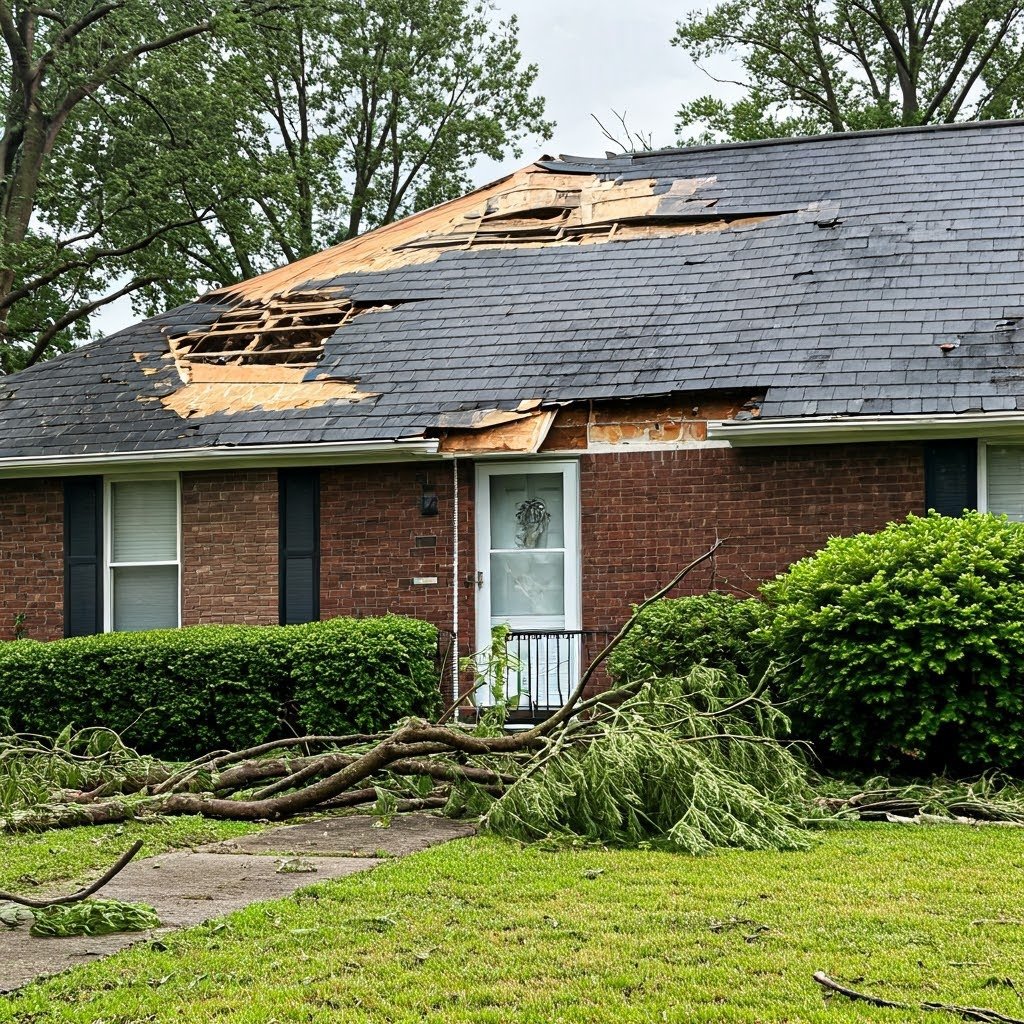
How Insurers Are Reassessing Risk Zones in the Age of Extreme Weather
Extreme weather is forcing insurers to rethink risk zones. Learn how modern risk assessment in insurance is reshaping coverage, premiums, and claims.

Insurance Claim Management for Healthcare Facilities: Common Pitfalls and Protections
Learn common pitfalls in insurance claims for healthcare facilities and how to protect your organization from costly delays and underpayments.

7 Hidden Exclusions Most Homeowners and Property Managers Don’t Realize They Have
Hidden exclusions in property insurance can lead to denied claims and costly surprises. Learn the most overlooked gaps homeowners and managers face.
Claim Services We Provide
Velocity Public Insurance Adjusters handles a variety of claim types for both commercial and residential property losses: weather-related damage, theft and vandalism, fire and smoke damage.


Members of


Velocity Public Insurance Adjusters is a Certified Firm with the IICRC.
IICRC Certified Firms are known for their high level of technical experience and professionalism.
With the rapid increase in consumer calls due to the demand for mitigation and restoration projects,
Certified Firms are working in the field every day and have unmatched expertise in complex restoration projects.
Client testimonials
Don't take our word for it, see what our clients are saying about us.
Contact us
Schedule a free, no-obligation, claim and policy review. Every property claim is different, and we'd like the opportunity to provide you with an assessment of your unique situation.


- Indiana
- Kentucky
- Michigan
- Ohio
- Iowa
- Wisconsin
- South Carolina
Use of Information Purpose: We use your information to send mobile messages and respond to your inquiries as necessary. This may involve sharing your information with platform providers, phone companies, and other vendors who assist in message delivery.
Protection of Information: We do not sell, rent, loan, trade, lease, or otherwise transfer for profit any phone numbers or customer information collected through the SMS program to any third party.
Disclosure: We may disclose your information if required by law, regulation, or governmental request, to avoid liability, or to protect our rights or property.
Choices and Controls Consent: Consent to receive automated marketing text messages is not a condition of any service we provide.
Opt-Out: You can opt out of receiving further text messages via the Messaging Service by responding to any of our text messages with any of the following replies: STOP, END, CANCEL, UNSUBSCRIBE, or QUIT.
Your Responsibilities Accurate Information: Ensure that the information you provide is accurate, complete, and truthful. Do not use a false or misleading name or a name you are not authorized to use.
Consequences: If we believe the information provided is untrue, inaccurate, or incomplete, or if you have joined the program for ulterior motives, we may deny you access to the program.