

When property owners file a claim, they expect their insurance carriers to honor the policy and provide fair compensation for covered losses. Unfortunately, many commercial and residential property owners discover that carriers delay, deny, or severely underpay claims. The details buried in policies and the tactics used by insurance companies often leave policyholders frustrated and undercompensated. Knowing how to hold carriers accountable and the role of public insurance adjusters in this process is critical to protecting recovery.
Why Accountability Matters
Insurance is meant to be a safeguard, but carriers operate with their own financial interests in mind. According to the National Association of Insurance Commissioners (NAIC), disputes between carriers and policyholders are among the most common consumer complaints in the industry. Delays in processing, inconsistent communication, and underpayments are not just the exception, but the rule.
According to a Florida OPPAGA study, policyholders who worked with professional public insurance adjusters received significantly higher settlements than those who went through the claims process on their own. The difference is not just in settlement size, but also in the accuracy of the documentation and the recognition of all covered losses.
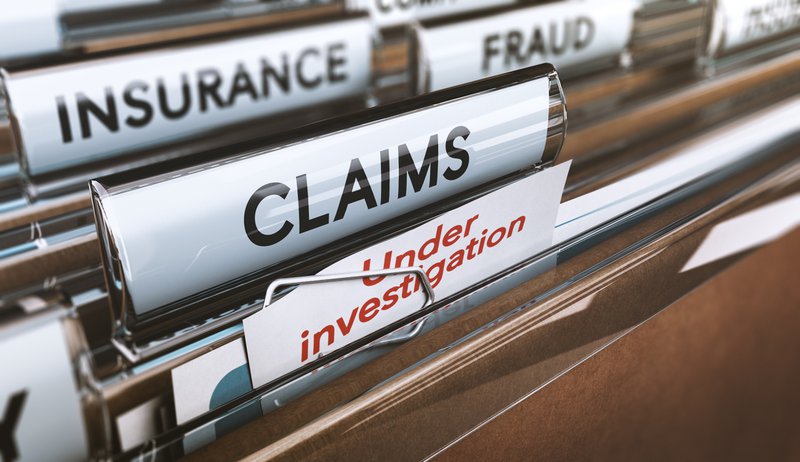
Common Tactics Carriers Use to Minimize Payouts
Carriers use several strategies that place property owners at a disadvantage. Recognizing these tactics is the first step to fighting back:
- Delays in communication: Carriers may take weeks or even months to respond to policyholders, creating unnecessary stress and slowing down repairs. The hope is that property owners will become frustrated and accept a lower settlement just to move forward. For businesses that depend on reopening quickly, such as retail stores, hospitals, or schools, these delays can be devastating.
- Selective interpretation of coverage: Policies are filled with exclusions and conditions. Carriers often highlight language that benefits their position while ignoring provisions that support the policyholder. For example, water damage from a burst pipe should typically be covered, but carriers may attempt to classify it under exclusions tied to wear and tear. Without proper representation, property owners may lose coverage they are entitled to.
- Undervaluing repairs: Adjusters working for carriers may provide estimates that cover only surface-level fixes. Hidden or secondary damage, such as microbial contamination after water damage, or smoke residue that spreads into ventilation systems, is often overlooked. This undervaluation shifts future repair costs onto the property owner.
- Strict enforcement of policyholder duties: Most policies require immediate action after a loss, such as reporting damage promptly, making temporary repairs, and documenting expenses. Carriers often use even small lapses in these duties as justification to deny or reduce claims. A missed receipt or a delay in mitigation can become the basis for cutting settlement amounts.
Public insurance adjusters play a key role in this effort by ensuring that all damages are identified, documented, and connected to the appropriate policy provisions.
The Role of Consumer Advocacy Groups
Consumer protection organizations like the American Policyholder Association (APA) and the National Association of Public Insurance Adjusters (NAPIA) consistently highlight the imbalance between carriers and property owners. These groups emphasize the importance of having representation from professionals who work exclusively for policyholders. They also push for stronger oversight and accountability in the claims process, ensuring that property owners are not left to face carriers alone.
Property Owner Responsibilities
Policyholders must also understand their own obligations. Most policies require immediate notice of loss, steps to prevent further damage, and thorough recordkeeping of expenses. Missing these steps gives carriers opportunities to reduce or deny claims.
For example, a school experiencing water damage from a burst pipe must demonstrate that efforts were made to dry affected areas promptly. Without proper documentation, carriers may argue that damages were worsened by inaction, even if the claim itself is valid.
Why Commercial Claims Are Especially Vulnerable
Commercial property managers, contractors, and facility directors often face greater challenges due to the size and complexity of their properties. Water damage in a hospital wing, for instance, can involve structural drying, equipment replacement, and temporary relocation costs.
A carrier may undervalue or omit entire categories of loss if not properly documented. Similarly, a fire in a manufacturing facility may require compliance upgrades or account for business interruption, but without expert representation these costs often go unrecognized.
How Public Insurance Adjusters Strengthen Accountability
Public insurance adjusters are first-party property damage professionals who work only for policyholders, never for carriers. Their expertise lies in identifying all areas of loss, preparing detailed documentation, and ensuring compliance with policyholder requirements. Unlike carrier-employed adjusters, they have no incentive to minimize claim values.
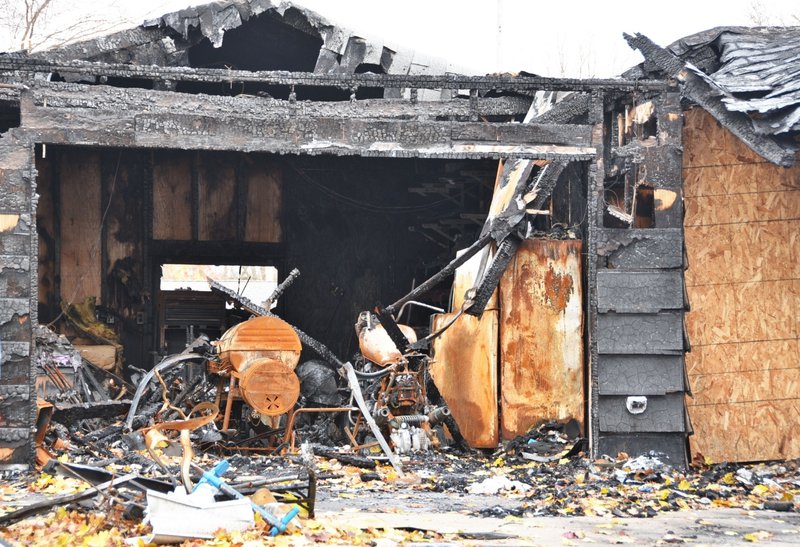
By representing the property owner’s interests, public insurance adjusters create accountability within the claims process. They make it harder for carriers to dismiss legitimate costs or ignore hidden damage. Their presence signals that a claim will be handled with precision and backed by proper industry standards.
Expertise That Protects Property Owners
The technical expertise of certified public insurance adjusters is especially important for specialized claims. Water damage, for example, requires a deep understanding of structural drying standards. Fire and smoke claims demand careful assessment of how smoke infiltrates walls, ceilings, and HVAC systems. Without this knowledge, significant portions of a claim may be left out, leading to costly out-of-pocket expenses later.
Industry experts stress that carriers have perfected methods of reducing claims over decades. Property owners who face this process alone are at a clear disadvantage. Having a professional advocate with technical training changes the balance, ensuring that claims are both fair and complete.
Accountability Through Public Insurance Adjusters
Insurance carriers rely on complexity and delay to reduce payouts, but property owners do not have to face these challenges unassisted. Certified public insurance adjusters provide the documentation, industry knowledge, and advocacy needed to hold carriers accountable. Their work ensures that claims are fully recognized and fairly compensated.
At Velocity Public Insurance Adjusters, we bring nearly 40 years of experience and hold certifications through the IICRC in Water Damage, Structural Drying, Fire Damage, Smoke Damage, as well as trauma, bio, and illicit drug remediation. We specialize in ensuring property owners never miss critical details that carriers often exploit. Schedule a call today for a free claim and policy review.
Related posts
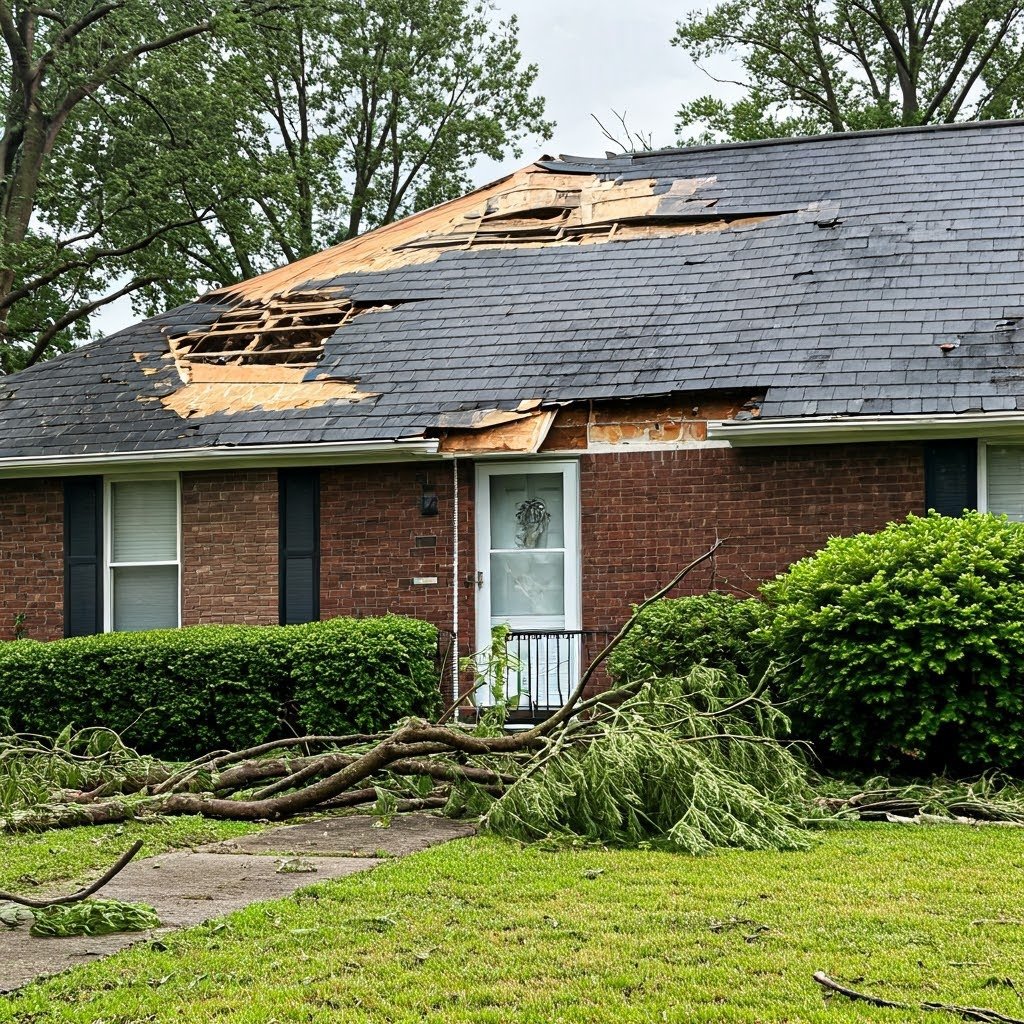
How Insurers Are Reassessing Risk Zones in the Age of Extreme Weather
Extreme weather is forcing insurers to rethink risk zones. Learn how modern risk assessment in insurance is reshaping coverage, premiums, and claims.

How to Stay Calm and Strategic After a Major Property Loss
An independent adjuster can help property owners stay calm, avoid costly mistakes, and build a strategic insurance claim after a major property loss.
Insurance Claim Management for Healthcare Facilities: Common Pitfalls and Protections
Learn common pitfalls in insurance claims for healthcare facilities and how to protect your organization from costly delays and underpayments.
Claim Services We Provide
Velocity Public Insurance Adjusters handles a variety of claim types for both commercial and residential property losses: weather-related damage, theft and vandalism, fire and smoke damage.


Members of


Velocity Public Insurance Adjusters is a Certified Firm with the IICRC.
IICRC Certified Firms are known for their high level of technical experience and professionalism.
With the rapid increase in consumer calls due to the demand for mitigation and restoration projects,
Certified Firms are working in the field every day and have unmatched expertise in complex restoration projects.
Client testimonials
Don't take our word for it, see what our clients are saying about us.
Contact us
Schedule a free, no-obligation, claim and policy review. Every property claim is different, and we'd like the opportunity to provide you with an assessment of your unique situation.


- Indiana
- Kentucky
- Michigan
- Ohio
- Iowa
- Wisconsin
- South Carolina
Use of Information Purpose: We use your information to send mobile messages and respond to your inquiries as necessary. This may involve sharing your information with platform providers, phone companies, and other vendors who assist in message delivery.
Protection of Information: We do not sell, rent, loan, trade, lease, or otherwise transfer for profit any phone numbers or customer information collected through the SMS program to any third party.
Disclosure: We may disclose your information if required by law, regulation, or governmental request, to avoid liability, or to protect our rights or property.
Choices and Controls Consent: Consent to receive automated marketing text messages is not a condition of any service we provide.
Opt-Out: You can opt out of receiving further text messages via the Messaging Service by responding to any of our text messages with any of the following replies: STOP, END, CANCEL, UNSUBSCRIBE, or QUIT.
Your Responsibilities Accurate Information: Ensure that the information you provide is accurate, complete, and truthful. Do not use a false or misleading name or a name you are not authorized to use.
Consequences: If we believe the information provided is untrue, inaccurate, or incomplete, or if you have joined the program for ulterior motives, we may deny you access to the program.