
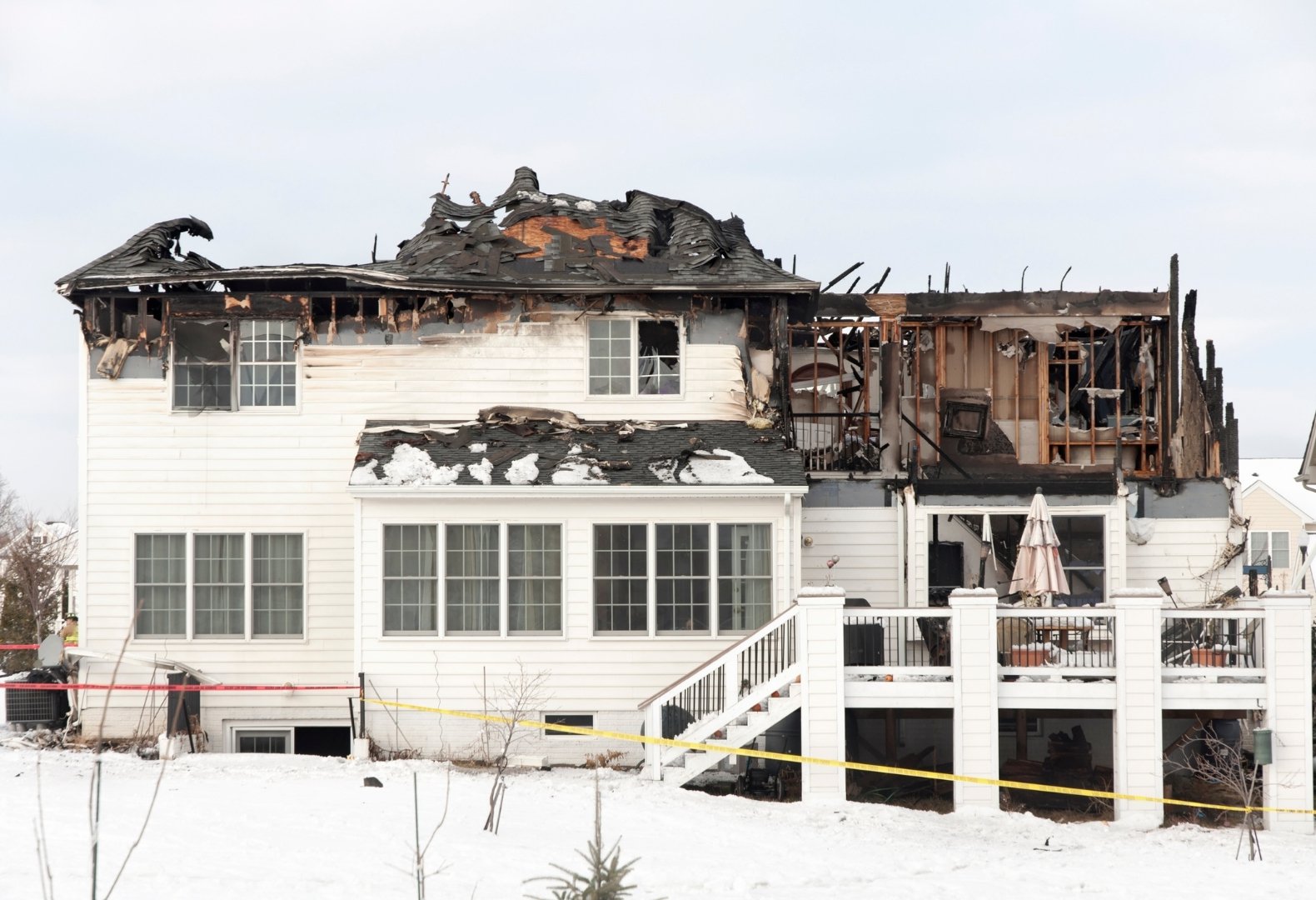
When severe weather hits, it leaves more than downed trees and scattered shingles in its wake; it leaves property owners navigating the complex and often frustrating world of storm damage claims. And if the damage is still unrepaired, the stakes are about to get much higher.
Winter is coming. That means water intrusion, compromised insulation, and even structural instability could be just one snowstorm or freeze-thaw cycle away. Whether it’s a commercial facility in Indiana or a multi-family property in Michigan, ignoring unresolved damage can lead to costly secondary losses, many of which may no longer be covered under your policy.
So here’s the question every property manager, contractor, and facility director should be asking right now: Is that summer storm damage still sitting unrepaired, and are you sure your claim was handled properly?
The Real Risk of Waiting: Secondary Damage and Policy Complications
When wind, hail, or other storm damage isn’t promptly identified or repaired, the risks multiply. In colder states like Ohio, Wisconsin, and Iowa, winter brings freeze-thaw cycles that can worsen:
- Roof damage, leading to ice dams and water intrusion
- Foundation cracks, which expand as moisture freezes
- Compromised exterior cladding, allowing microbial contamination to flourish
- Unaddressed leaks, turning into full-blown structural issues
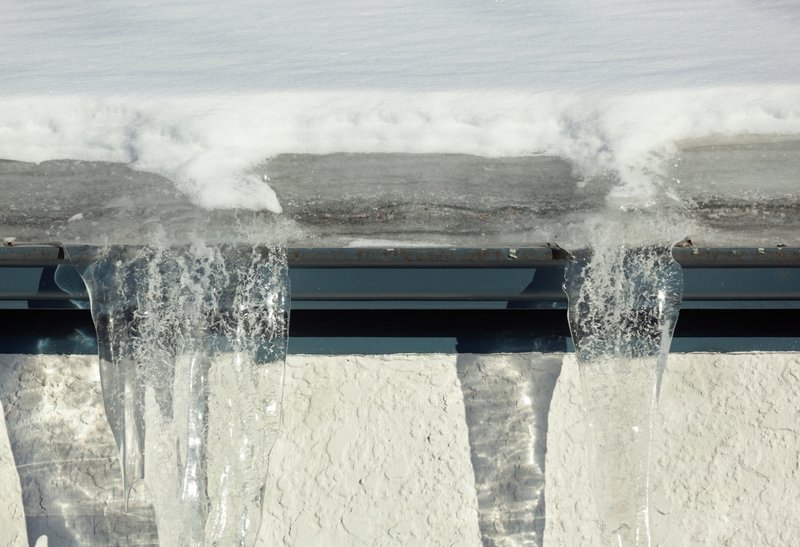
And here’s the part many policyholders miss: if secondary damage is considered a result of neglect or a failure to mitigate, your insurance carrier may refuse to cover it.
In fact, according to a report, many carriers deny or underpay claims by arguing “pre-existing damage” or “failure to protect the property” post-loss. This is one of many tactics insurance companies use to reduce payouts, a practice heavily criticized by industry experts like Jay M. Feinman and David Skipton, who’ve extensively documented insurer bad faith behavior.
Still Waiting on Payment? You’re Not Alone
If your claim has been stuck in limbo or closed without full payment, you’re part of a growing population of frustrated policyholders. Insurance companies are known for underpaying claims, particularly after large-scale weather events when their financial exposure spikes.
According to NAIC, consumer complaints about underpayment and delays consistently top the list of insurance grievances. This is especially true in states like Kentucky, Indiana, and Michigan, where severe weather can overwhelm claims departments and lead to rushed inspections and lowball settlements.
The message here? If your claim was denied or grossly underpaid, that doesn't mean the case is closed. You may still be eligible for additional payment, especially if the damage occurred within the last 12 to 24 months and you’re within state-specific coverage or filing deadlines.
The Most Common and Underestimated Threat
Among all the perils, water damage is the most common and costly. It’s also the area where we see the most mishandled claims. Whether it’s from a roof leak, a burst pipe, or water intrusion after a hailstorm, the damage may not show up until it’s too late, and insurance carriers are quick to shift blame.
That’s why it’s essential to ensure that your adjuster fully understands the science behind moisture migration, structural drying, and microbial contamination. Certified expertise matters. Look for professionals certified through the IICRC in Water Damage Restoration and Applied Structural Drying, credentials that ensure assessments are thorough and restoration protocols are accurate.
If your carrier’s adjuster didn’t perform a moisture map, take infrared readings, or recommend professional drying services, the claim may be incomplete and your property at serious risk.
Are You Really Covered? Understanding Policy Limits by State
Policyholders often assume coverage is straightforward, but commercial property insurance is packed with exclusions, sub-limits, and ambiguous language. Here’s what you need to know if you're managing properties in:
- Indiana: Common limits on wind/hail deductibles, and often includes time restrictions for supplemental claims
- Kentucky: Many policies contain stringent documentation requirements post-loss, which means delay may equal denial
- Michigan: Water-related claims often capped under specific “seepage” or “envelope” exclusion
- Ohio: Ordinance or law coverage is frequently excluded, which is vital for older buildings facing code upgrades
- Iowa: Watch for “cosmetic damage” exclusions that allow insurers to deny payment for roof dents or cracks
- Wisconsin: Policies may have winter-specific exclusions or requirements for snow load reporting
Bottom line: Don’t assume your coverage is working in your favor. According to Bill Wilson, author of When Words Collide, policy interpretation is often used as a tool for denial. This is why you need someone who speaks the same language and has your interests in mind.
The Role of Public Insurance Adjusters in Assessing Storm Damage
Unlike insurance company adjusters, public insurance adjusters are licensed professionals who work only for policyholders, not insurers. They’re your advocate in a system that’s built to minimize payouts. As first-party property damage experts, public insurance adjusters:
- Conduct independent assessments of storm damage
- Review the full scope of your policy, including hidden sub-limits
- Identify missed damage and push for full reimbursement
- Reopen underpaid or denied claims, especially in the case of water and structural losses
A certified public adjuster will provide a far more accurate picture of loss than a hurried carrier inspection.
Organizations like the NAPIA and the APA advocate for consumers’ rights, emphasizing the importance of professional representation during the claims process.
What You Can Do Right Now
If you suspect your storm damage claim wasn’t handled properly, or that you’re dealing with delayed repairs, don’t wait for winter to expose the problem.
Here’s your winter preparedness checklist:
- Review your claim: Was it paid in full? Were all damages considered?
- Check your policy: Look for exclusions, sub-limits, and time restrictions
- Document current damage: Take photos and videos, especially before snowfall
- Schedule a professional review: Bring in a public adjuster to assess your claim and inspect your property
Act Before Winter Does
The longer storm damage sits unresolved, the greater the risk and the higher the cost of remediation. Cold weather won’t wait, and neither should you. If you're unsure whether your property is fully protected or your storm damage claim was paid fairly, it's time to act.
Let our certified experts at Velocity Public Insurance Adjusters help you navigate the complex world of storm damage claims with clarity, confidence, and the backing of decades of experience in public adjusting. Schedule a call for a free claim and policy review today.
Related posts
How Insurers Are Reassessing Risk Zones in the Age of Extreme Weather
Extreme weather is forcing insurers to rethink risk zones. Learn how modern risk assessment in insurance is reshaping coverage, premiums, and claims.

How to Stay Calm and Strategic After a Major Property Loss
An independent adjuster can help property owners stay calm, avoid costly mistakes, and build a strategic insurance claim after a major property loss.

Insurance Claim Management for Healthcare Facilities: Common Pitfalls and Protections
Learn common pitfalls in insurance claims for healthcare facilities and how to protect your organization from costly delays and underpayments.
Claim Services We Provide
Velocity Public Insurance Adjusters handles a variety of claim types for both commercial and residential property losses: weather-related damage, theft and vandalism, fire and smoke damage.


Members of


Velocity Public Insurance Adjusters is a Certified Firm with the IICRC.
IICRC Certified Firms are known for their high level of technical experience and professionalism.
With the rapid increase in consumer calls due to the demand for mitigation and restoration projects,
Certified Firms are working in the field every day and have unmatched expertise in complex restoration projects.
Client testimonials
Don't take our word for it, see what our clients are saying about us.
Contact us
Schedule a free, no-obligation, claim and policy review. Every property claim is different, and we'd like the opportunity to provide you with an assessment of your unique situation.


- Indiana
- Kentucky
- Michigan
- Ohio
- Iowa
- Wisconsin
- South Carolina
Use of Information Purpose: We use your information to send mobile messages and respond to your inquiries as necessary. This may involve sharing your information with platform providers, phone companies, and other vendors who assist in message delivery.
Protection of Information: We do not sell, rent, loan, trade, lease, or otherwise transfer for profit any phone numbers or customer information collected through the SMS program to any third party.
Disclosure: We may disclose your information if required by law, regulation, or governmental request, to avoid liability, or to protect our rights or property.
Choices and Controls Consent: Consent to receive automated marketing text messages is not a condition of any service we provide.
Opt-Out: You can opt out of receiving further text messages via the Messaging Service by responding to any of our text messages with any of the following replies: STOP, END, CANCEL, UNSUBSCRIBE, or QUIT.
Your Responsibilities Accurate Information: Ensure that the information you provide is accurate, complete, and truthful. Do not use a false or misleading name or a name you are not authorized to use.
Consequences: If we believe the information provided is untrue, inaccurate, or incomplete, or if you have joined the program for ulterior motives, we may deny you access to the program.