

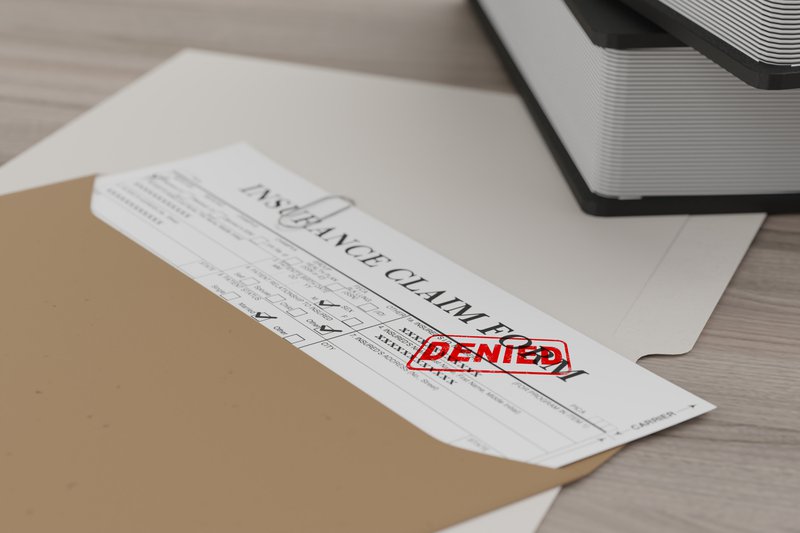
Insurance contracts are built on the Legal Doctrine of Good Faith & Fair Dealing. Carriers are expected to investigate claims honestly, evaluate losses fairly, and pay what is owed under the terms of the policy. Bad Faith claim handling occurs when an insurer departs from these obligations and places its own financial interests above the needs of the policyholder. This can leave a property owner in a difficult position, unable to move forward with necessary repairs or recovery.
Unlike a straightforward denial, bad faith practices are often less obvious. They may take the form of repeated delays, incomplete investigations, or settlement offers that do not reflect the true cost of returning a property to pre-loss condition. For businesses and institutions, this can mean operational shutdowns, tenant displacement, or expensive workarounds that eat into reserves.
How Bad Faith Handling Affects Different Property Types
Bad faith claim handling has consequences that extend far beyond financial inconvenience.
- Commercial properties may be forced to reduce operations or close sections of facilities while waiting for repairs, losing revenue each day.
- Multi-family properties can face increased tenant complaints and turnover when living conditions are not addressed quickly.
- Healthcare facilities and schools risk safety violations or community disruption if carriers undervalue necessary repairs.
- Homeowners may face unsafe living conditions, relying on temporary solutions while awaiting fair settlements.
In every case, the damage is compounded not only by the original loss but also by the carrier’s unwillingness to process the claim in good faith.
Warning Signs of Bad Faith Claim Handling
Carriers rarely announce that they are acting in bad faith, which makes it critical for policyholders to recognize early red flags. Common warning signs include:
- Excessive requests for documents that seem repetitive or unnecessary
- Long delays in communication without explanation
- Settlement offers that exclude obvious portions of the damage
- Attempts to classify structural or functional damage as “cosmetic”
- Inconsistent explanations or shifting reasons for reduced payment
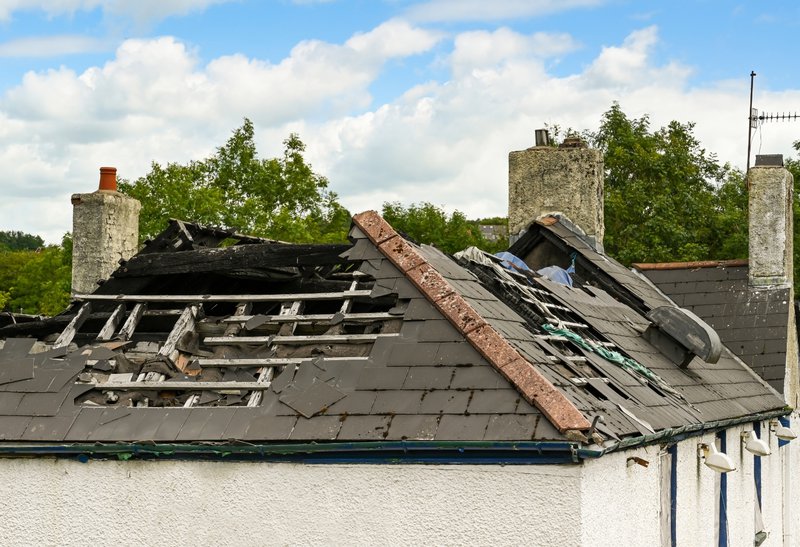
For instance, a water damage claim involving a burst pipe might be undervalued if the carrier ignores structural drying costs or excludes necessary cleanup to address microbial contamination. Similarly, fire damage may be underpaid when smoke cleanup or odor remediation is left out of the estimate. Each of these omissions directly impacts the property owner’s ability to restore safe, usable conditions.
Why Bad Faith Handling Persists
Despite regulatory oversight, complaints about claim handling remain common. According to the National Association of Insurance Commissioners (NAIC), delays and unsatisfactory settlements are among the most frequent consumer grievances against carriers. An OPPAGA study also found that policyholders represented by public adjusters tend to recover significantly more, which suggests that many claims are undervalued when left unchallenged.
Carriers benefit from the complexity of policy language and the imbalance of knowledge between insurer and insured. Most property owners do not have the experience to dispute a carrier’s interpretation, particularly when technical details about damage or repair standards are involved. This imbalance allows questionable practices to continue, often unnoticed until the financial shortfall becomes unavoidable.
How Policyholders Can Protect Themselves
Avoiding the impact of bad faith claim handling requires preparation and active management. Policyholders should:
- Understand their obligations: Timely reporting of losses, taking steps to prevent further damage, and maintaining clear documentation are essential.
- Keep detailed records: Photos, receipts, contractor estimates, and written communication with the carrier provide evidence if disputes arise.
- Seek professional representation: Public insurance adjusters evaluate damages independently, interpret policy language for the insured’s benefit, and manage communication to prevent unnecessary delays.
Consumer advocacy groups such as the American Policyholder Association (APA) and the National Association of Public Insurance Adjusters (NAPIA) continue to stress the importance of representation. Their work highlights not only the prevalence of unfair practices but also the value of professional advocates in achieving fair settlements.
Certified Expertise That Makes the Difference
At Velocity Public Insurance Adjusters, we have seen firsthand how damaging bad faith claim handling can be. Our role is to protect policyholders by identifying undervalued or overlooked damages and ensuring settlements align with the true cost of recovery. With IICRC certifications in Water Damage, Structural Drying, Fire Damage, and Smoke Damage, we bring technical expertise to every inspection and claim strategy.
If you suspect your claim has been delayed, undervalued, or handled unfairly, take action before the financial impact worsens. Schedule a free claim and policy review with us today.
Related posts
How Insurers Are Reassessing Risk Zones in the Age of Extreme Weather
Extreme weather is forcing insurers to rethink risk zones. Learn how modern risk assessment in insurance is reshaping coverage, premiums, and claims.

How to Stay Calm and Strategic After a Major Property Loss
An independent adjuster can help property owners stay calm, avoid costly mistakes, and build a strategic insurance claim after a major property loss.

Insurance Claim Management for Healthcare Facilities: Common Pitfalls and Protections
Learn common pitfalls in insurance claims for healthcare facilities and how to protect your organization from costly delays and underpayments.
Claim Services We Provide
Velocity Public Insurance Adjusters handles a variety of claim types for both commercial and residential property losses: weather-related damage, theft and vandalism, fire and smoke damage.


Members of


Velocity Public Insurance Adjusters is a Certified Firm with the IICRC.
IICRC Certified Firms are known for their high level of technical experience and professionalism.
With the rapid increase in consumer calls due to the demand for mitigation and restoration projects,
Certified Firms are working in the field every day and have unmatched expertise in complex restoration projects.
Client testimonials
Don't take our word for it, see what our clients are saying about us.
Contact us
Schedule a free, no-obligation, claim and policy review. Every property claim is different, and we'd like the opportunity to provide you with an assessment of your unique situation.


- Indiana
- Kentucky
- Michigan
- Ohio
- Iowa
- Wisconsin
- South Carolina
Use of Information Purpose: We use your information to send mobile messages and respond to your inquiries as necessary. This may involve sharing your information with platform providers, phone companies, and other vendors who assist in message delivery.
Protection of Information: We do not sell, rent, loan, trade, lease, or otherwise transfer for profit any phone numbers or customer information collected through the SMS program to any third party.
Disclosure: We may disclose your information if required by law, regulation, or governmental request, to avoid liability, or to protect our rights or property.
Choices and Controls Consent: Consent to receive automated marketing text messages is not a condition of any service we provide.
Opt-Out: You can opt out of receiving further text messages via the Messaging Service by responding to any of our text messages with any of the following replies: STOP, END, CANCEL, UNSUBSCRIBE, or QUIT.
Your Responsibilities Accurate Information: Ensure that the information you provide is accurate, complete, and truthful. Do not use a false or misleading name or a name you are not authorized to use.
Consequences: If we believe the information provided is untrue, inaccurate, or incomplete, or if you have joined the program for ulterior motives, we may deny you access to the program.