
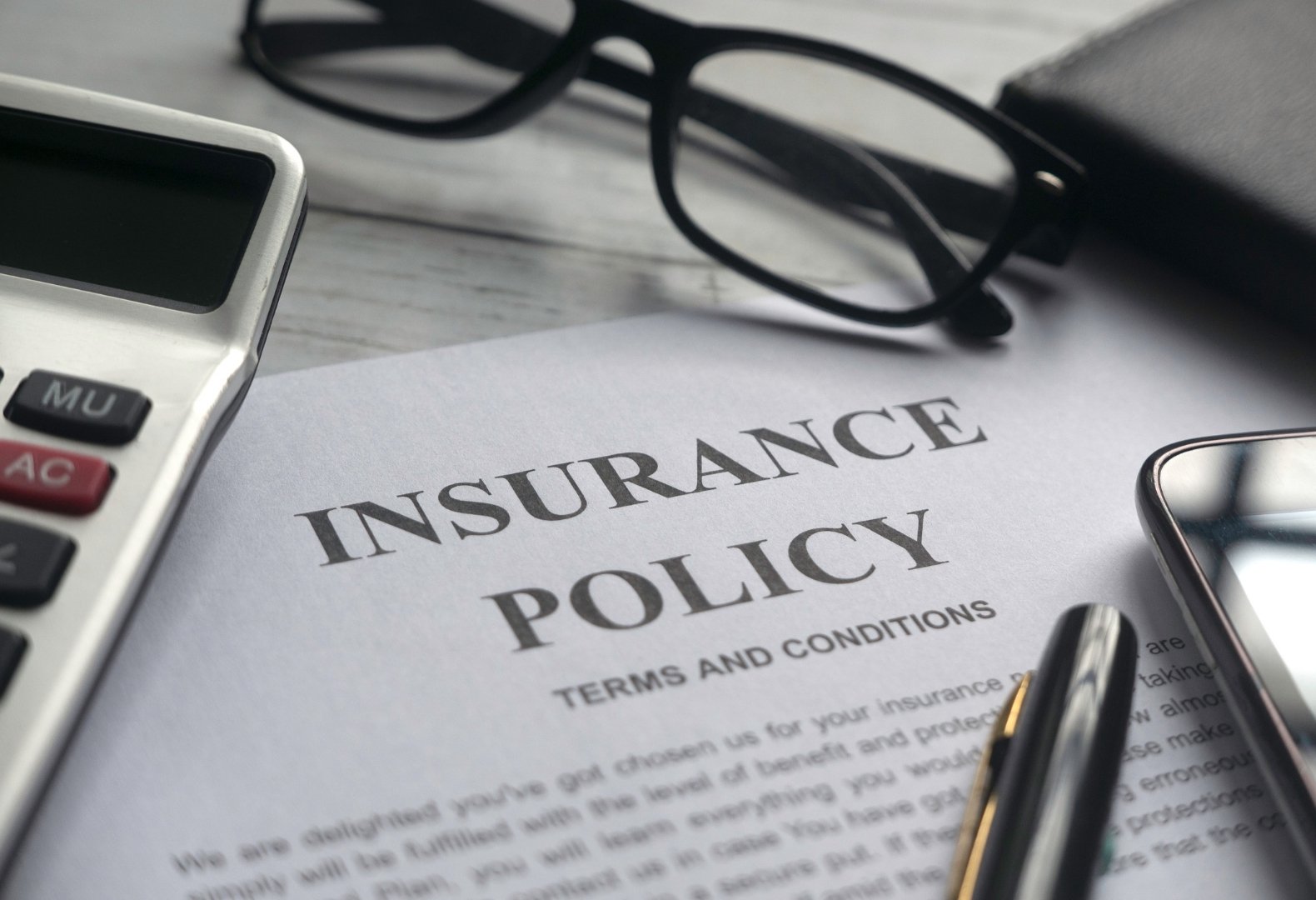
When disaster strikes, whether it’s a burst pipe flooding a multi-family property or smoke damage spreading through a manufacturing facility, commercial property owners and homeowners expect their insurance carriers to cover their losses. What many discover, often too late, is that the fine print in their insurance policy determines whether a claim is fully honored, partially paid, or outright denied. Understanding these policy details is essential to protecting property and securing fair settlements.
Why Insurance Policy Fine Print Matters
Insurance policies are dense contracts, and every word carries weight. Coverage often hinges on small definitions and exclusions that property owners may not notice until a loss occurs. A 2010 study found that policyholders who work with public insurance adjusters receive significantly higher settlements than those who don’t. That’s because experienced adjusters know how to interpret the fine print and ensure policyholders aren’t shortchanged.
Bill Wilson, a widely recognized authority on insurance coverage, emphasizes that disputes over wording are common. Even well-intentioned property managers or homeowners can misread coverage, while insurers leverage technical language to reduce or deny claims. This imbalance highlights the need to read carefully or to have an expert advocate read alongside you.
Key Areas of Insurance Policy Fine Print Property Owners Miss
1. Policyholder Duties After a Loss
Policies typically require specific actions after a loss: providing prompt notice, taking steps to mitigate damage, and preserving evidence for inspection. If a facility manager fails to dry out water from a broken pipe quickly enough, for example, the carrier may reduce payment by arguing that damage was made worse by delay.

Many owners are unaware that documentation is also part of their duty. Keeping receipts for temporary repairs, maintaining logs of communications, and allowing inspections are all critical requirements. Failing to comply, even accidentally, gives the carrier ammunition to deny part of the claim.
2. Exclusions and Limitations
Not all property losses are treated the same way by insurance carriers. For example, while damage from a sudden and accidental pipe break inside a property is typically covered, other categories of water-related losses may often be treated differently. Some policies do not handle flooding caused by storm surge, rainwater intrusion, or outside surface water entering a building. Beyond these distinctions, many policies also include limitations tied to microbial contamination that develops after water damage, requiring strict compliance with drying and mitigation steps in order to qualify for coverage.
Property owners must also pay close attention to exclusions involving wear and tear, faulty workmanship, or maintenance issues. Carriers frequently rely on these provisions to argue that damage was not sudden or accidental, but gradual and therefore excluded. Without a trained advocate, these technical distinctions can have a major impact on how much compensation is actually received.
3. Coverage Caps and Sub-Limits
Many policies contain sub-limits for certain categories of loss. Business interruption, code compliance upgrades, or specialized equipment may only be covered up to a fraction of the overall policy limit, leaving property managers exposed to financial gaps. For schools, hospitals, or manufacturing facilities, these limitations can affect critical operations.
4. Ambiguous Wording
Ambiguity in policy language often works to the carrier’s advantage. A clause that seems straightforward to the property owner may be interpreted narrowly by the insurer. Without expertise, it is easy to misread what coverage actually applies.
Why Insurance Carriers Deny or Underpay
Carriers are financially motivated to limit payouts. Research and industry experts have documented consistent patterns of claims being delayed, underpaid, or denied. Policyholders rarely have the training or time to challenge the carrier’s interpretation. This imbalance is why many property owners never recover the full amount needed to restore their property.
David Skipton, a veteran public insurance adjuster and author of The Claims Game, explains that the claim process is inherently tilted against policyholders. Carriers write the contract, interpret the wording, and control the release of funds. Without knowledgeable support, property owners find themselves at the mercy of this system.
The Role of Public Insurance Adjusters
Public insurance adjusters work exclusively for policyholders. Unlike company-employed adjusters, they focus solely on the property owner’s best interests. According to the National Association of Public Insurance Adjusters (NAPIA), public adjusters are first-party property damage specialists who manage the entire claim process: documenting damage, preparing repair estimates, and negotiating directly with insurers.

They are particularly valuable in complex claims such as water damage from burst pipes, smoke infiltration, or structural collapse. By ensuring all details are documented and policy requirements are met, public adjusters help property owners avoid costly oversights that carriers might use to minimize payment.
Public adjusters also bring practical construction knowledge to the table. Many have backgrounds in building and restoration, which means they understand how damages impact structures and systems. This knowledge allows them to prepare more accurate estimates that reflect true recovery costs, not the minimal numbers insurers prefer.
Consumer Advocacy in Action
Organizations like the American Policyholder Association (APA) stress that carriers often use claims practices that leave property owners at a disadvantage. These groups advocate for stronger oversight of carriers and promote the value of professional representation. Their message is consistent: property owners should not attempt to navigate complex claims on their own.
Don’t Let Insurance Policy Fine Print Cost You
Commercial property owners, facility managers, and homeowners cannot afford to overlook the details in their policies. Every requirement and limitation can affect the outcome of a claim. Public insurance adjusters make sure those details are understood and that policyholders receive fair treatment.
At Velocity Public Insurance Adjusters, we bring nearly 40 years of experience and are certified through the IICRC in Water Damage, Structural Drying, Fire Damage, and Smoke Damage. Our role is to ensure no detail is missed and no property owner is left underpaid. Schedule a call today for a free claim and policy review.
Related posts
How Insurers Are Reassessing Risk Zones in the Age of Extreme Weather
Extreme weather is forcing insurers to rethink risk zones. Learn how modern risk assessment in insurance is reshaping coverage, premiums, and claims.

How to Stay Calm and Strategic After a Major Property Loss
An independent adjuster can help property owners stay calm, avoid costly mistakes, and build a strategic insurance claim after a major property loss.

Insurance Claim Management for Healthcare Facilities: Common Pitfalls and Protections
Learn common pitfalls in insurance claims for healthcare facilities and how to protect your organization from costly delays and underpayments.
Claim Services We Provide
Velocity Public Insurance Adjusters handles a variety of claim types for both commercial and residential property losses: weather-related damage, theft and vandalism, fire and smoke damage.


Members of


Velocity Public Insurance Adjusters is a Certified Firm with the IICRC.
IICRC Certified Firms are known for their high level of technical experience and professionalism.
With the rapid increase in consumer calls due to the demand for mitigation and restoration projects,
Certified Firms are working in the field every day and have unmatched expertise in complex restoration projects.
Client testimonials
Don't take our word for it, see what our clients are saying about us.
Contact us
Schedule a free, no-obligation, claim and policy review. Every property claim is different, and we'd like the opportunity to provide you with an assessment of your unique situation.


- Indiana
- Kentucky
- Michigan
- Ohio
- Iowa
- Wisconsin
- South Carolina
Use of Information Purpose: We use your information to send mobile messages and respond to your inquiries as necessary. This may involve sharing your information with platform providers, phone companies, and other vendors who assist in message delivery.
Protection of Information: We do not sell, rent, loan, trade, lease, or otherwise transfer for profit any phone numbers or customer information collected through the SMS program to any third party.
Disclosure: We may disclose your information if required by law, regulation, or governmental request, to avoid liability, or to protect our rights or property.
Choices and Controls Consent: Consent to receive automated marketing text messages is not a condition of any service we provide.
Opt-Out: You can opt out of receiving further text messages via the Messaging Service by responding to any of our text messages with any of the following replies: STOP, END, CANCEL, UNSUBSCRIBE, or QUIT.
Your Responsibilities Accurate Information: Ensure that the information you provide is accurate, complete, and truthful. Do not use a false or misleading name or a name you are not authorized to use.
Consequences: If we believe the information provided is untrue, inaccurate, or incomplete, or if you have joined the program for ulterior motives, we may deny you access to the program.